Incoming UK PM Burnham scraps digital ID scheme to fund cost of living
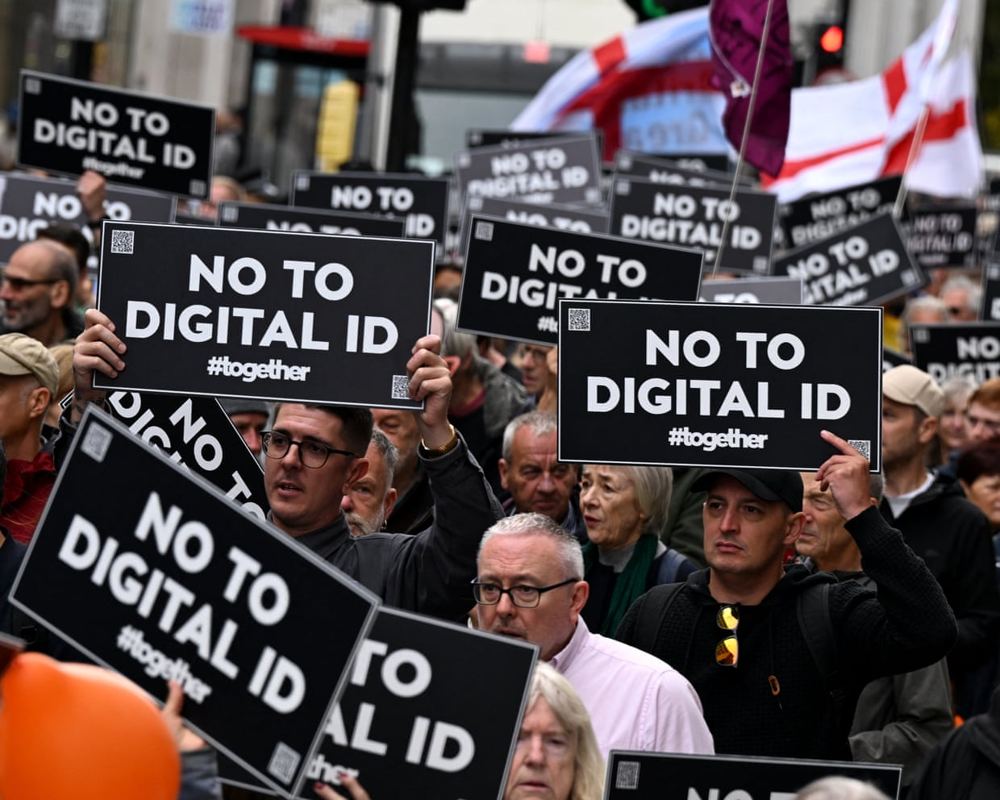
Andy Burnham is abandoning a £1.8bn digital identity project to redirect funds toward economic relief, signalling a broader pivot away from his predecessor's tech agenda.
Andy Burnham will scrap the UK’s planned digital ID cards on his first day in office on Monday, redirecting resources toward tackling the cost of living. The move marks a deliberate effort by the incoming prime minister to distance himself from an unpopular policy introduced by his predecessor, Keir Starmer. A public petition against the identity scheme attracted roughly 3 million signatures last year.
The cancellation addresses immediate economic pressures but leaves a question mark over the exact fiscal impact. The Office for Budget Responsibility estimated the project could cost around £1.8 billion, a figure previously disputed by Starmer’s officials. “That means all the time and resource that was going to be spent on a national ID scheme will go instead to where it’s most needed, such as helping with the cost of living,” Burnham’s spokesperson said.
For the technology sector, the decision compounds existing anxieties about the new government's direction. Burnham has already asked officials to draft plans to abolish the Department for Science, Innovation and Technology, folding it into a larger business department. Tech experts have reacted with anger to the prospect of losing a dedicated Whitehall ministry.
Starmer originally proposed the compulsory "Brit card" last September as a tool to combat illegal working, with a planned rollout by 2029. Following fierce pushback from privacy campaigners and opposition parties, the government retreated earlier this year, making the cards voluntary. Conservative MP David Davis captured the scepticism, stating: “No system is immune to failure, and we have seen time and again governments and tech giants fail to protect people’s personal data. If world-leading companies cannot protect our data, I have little faith that Whitehall would be able to do better.”
Despite abandoning the identity cards, Burnham’s administration intends to maintain a strict stance on illegal employment. Right-to-work checks will remain mandatory across the economy, with new legislation expected to extend verification requirements to gig economy workers, including parcel couriers and delivery drivers. Almost 9,000 arrests for illegal working were made last year under the existing crackdown.
Civil liberties groups welcomed the scheme's demise. “People will be hugely relieved to know they are no longer set to be forced to hand over their data just to go about their daily lives. We have long said the obscene sums earmarked for digital ID would be a huge waste of taxpayers’ money, and it’s a relief that Burnham has woken up to that,” said Liberal Democrat cabinet office spokesperson Lisa Smart. The reversal highlights the volatile nature of major digital infrastructure projects under the new leadership, leaving businesses without a clear roadmap for future identity verification standards.