Hungarian president resigns after ruling party passes constitutional amendment
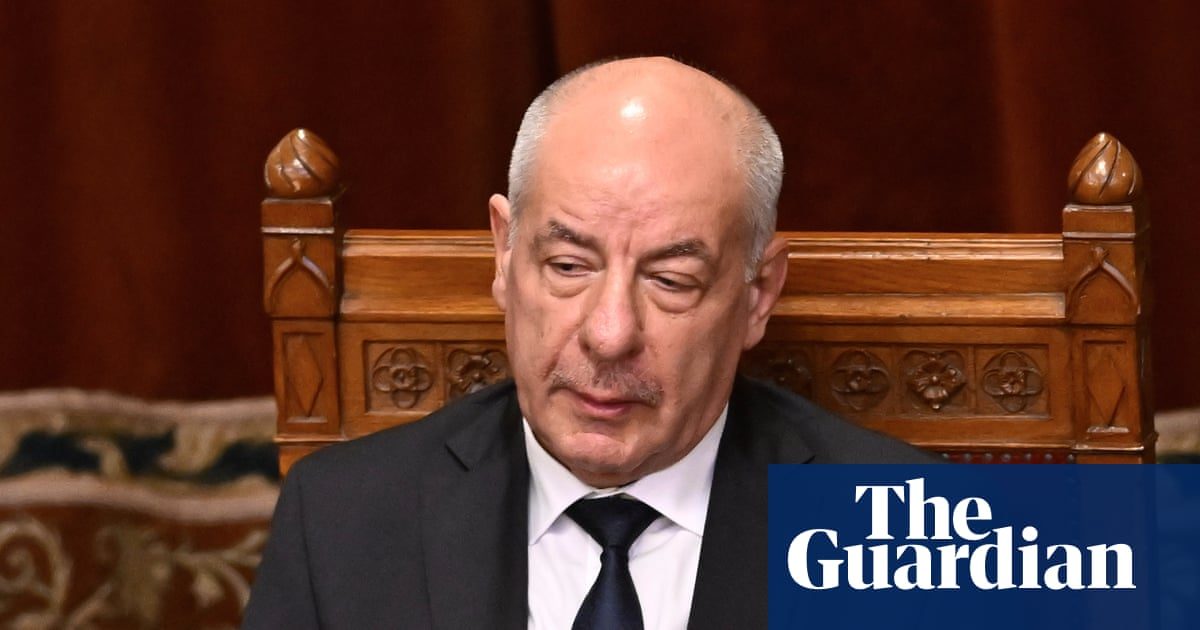
Hungarian President Tamás Sulyok has stepped down following a constitutional amendment by Prime Minister Péter Magyar’s government, marking a decisive shift in the country’s post-election institutional overhaul and raising fresh questions about the rule of law in the European Union.
Hungarian President Tamás Sulyok has agreed to step down immediately after signing a constitutional amendment passed by Prime Minister Péter Magyar’s ruling Tisza party. The legislation terminates his term early, citing a serious loss of public confidence in a leader elected in early 2024 by the former nationalist Fidesz government.
Despite complying with the legislation, the former constitutional court judge warned that the move severely damages Hungary’s democratic foundations. He stated that removing public office holders in a manner that openly violates the rule of law inflicts a deep wound on constitutional values and the separation of powers.
The amendment is a central component of Magyar’s broader effort to dismantle the institutional strongholds of former prime minister Viktor Orbán. Following a landslide election victory in April, the centre-right Tisza party secured a two-thirds parliamentary majority, granting it the authority to rewrite fundamental laws.
Parliament speaker Ágnes Forsthoffer will assume the role of interim president starting Monday. Lawmakers will subsequently elect a new president to serve until a new constitution takes effect or for a maximum of five years.
Implications for governance
This rapid institutional restructuring carries significant implications for Hungary’s standing within the European Union. While the removal of Orbán-era figures is welcomed by some, the method of bypassing established constitutional norms risks setting a volatile precedent for governance in the region.
Beyond the presidency, the new legislation imposes a 12-year term limit on lawmakers. It also establishes a mandatory retirement age of 70 for constitutional court judges, a move that will force the court’s current president and Orbán ally, Péter Polt, to step down.
Orbán, who faced criticism for weakening democratic institutions during his 16 years in power, condemned the reforms on Facebook. He warned that tyranny is now a reality, arguing that if such actions can be taken against the president, no one will be safe.
Magyar has consistently argued that Sulyok failed to represent national unity and instead served the interests of the previous administration. Celebrating the amendment, the prime minister stated that the changes restore the certainty that power can be constrained and that the state can once again serve its citizens.
The political shift continues to reshape Hungary’s landscape, with Fidesz experiencing a wave of high-profile resignations and declining public support since its April defeat. Investors and European policymakers will be watching closely to see if these rapid legal changes translate into stable, predictable governance or further institutional friction.