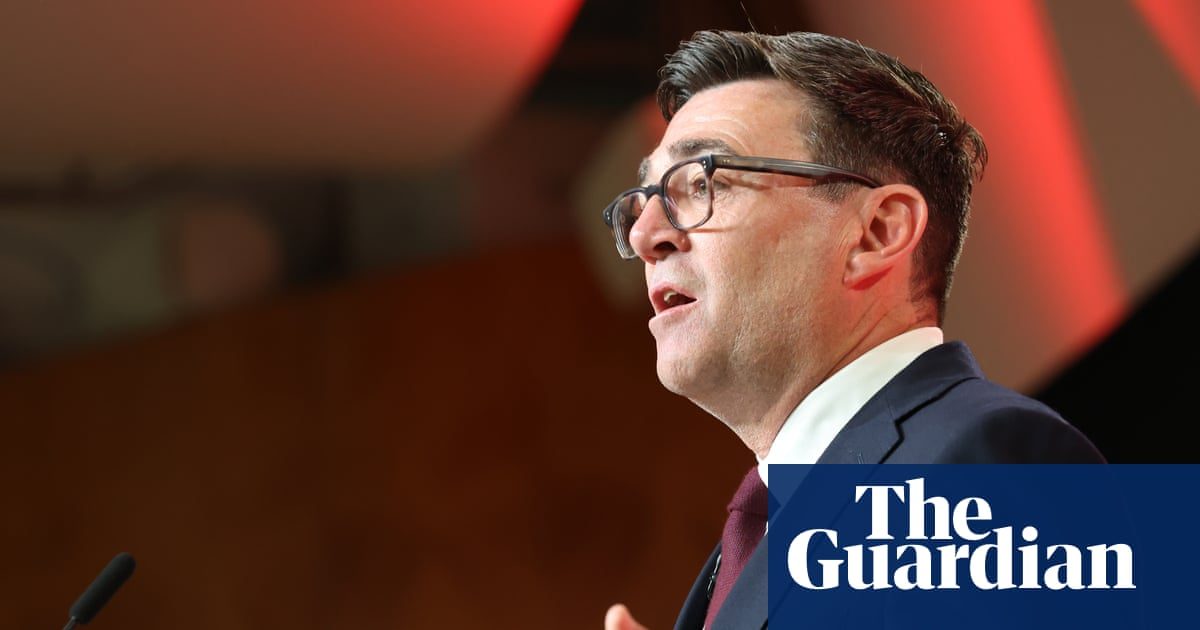
Burnham replaces Starmer as UK Labour's mandate collapses
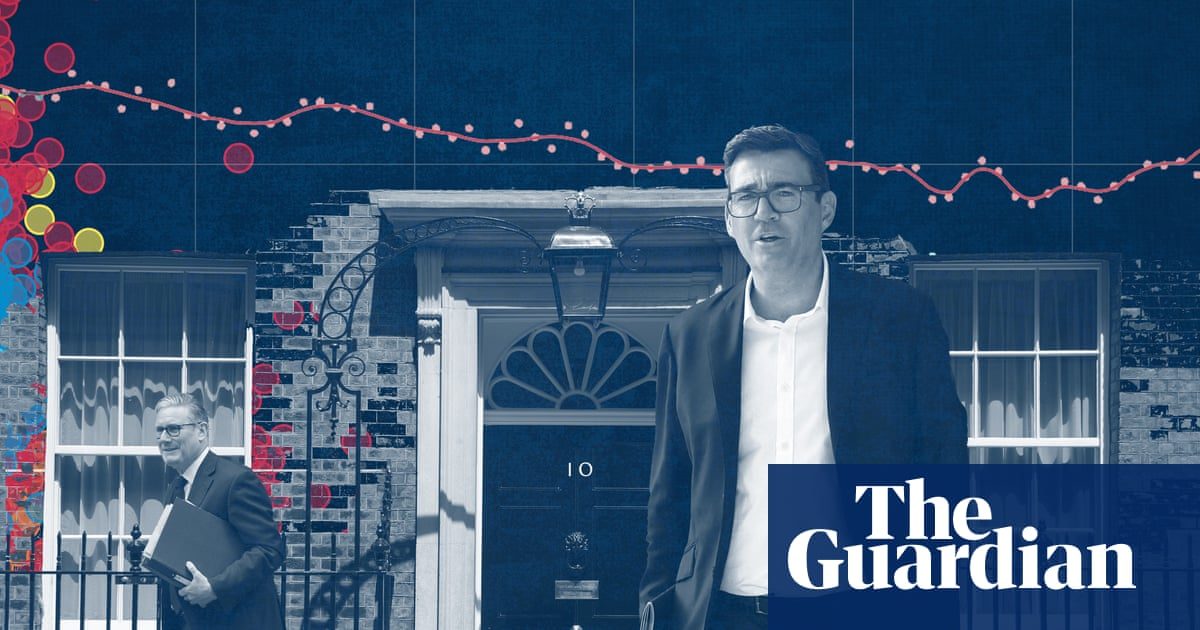
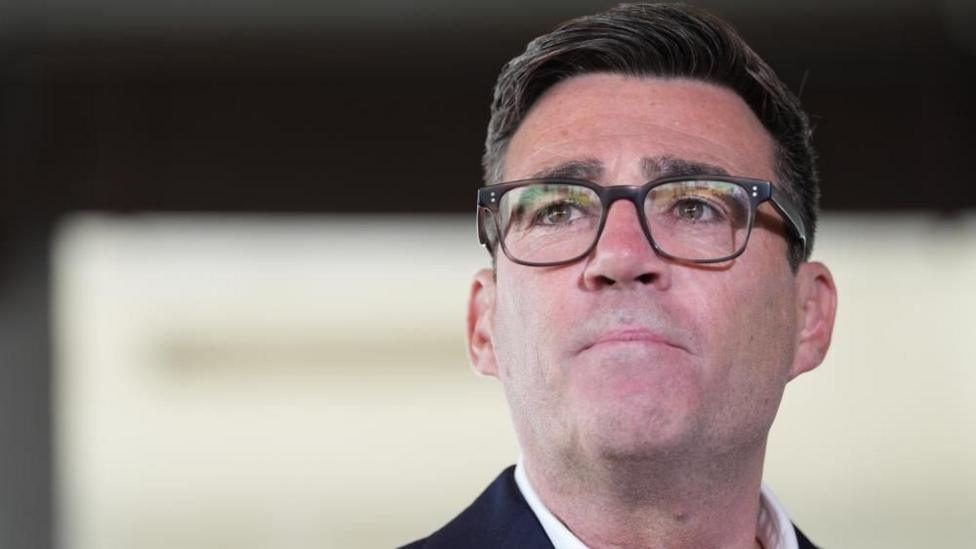
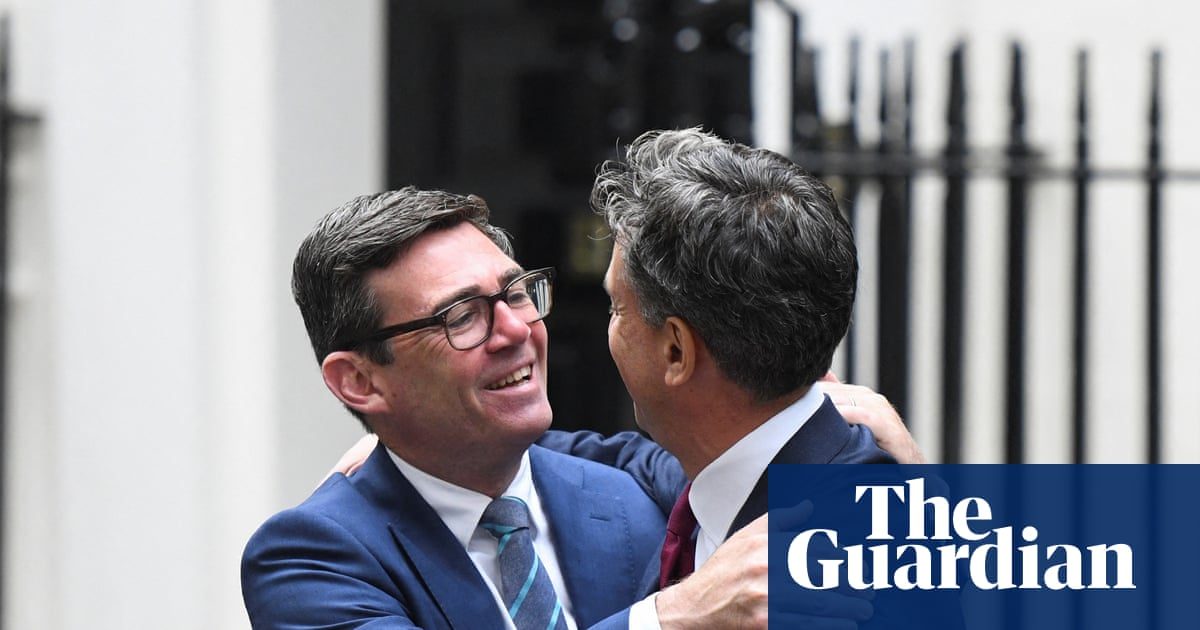
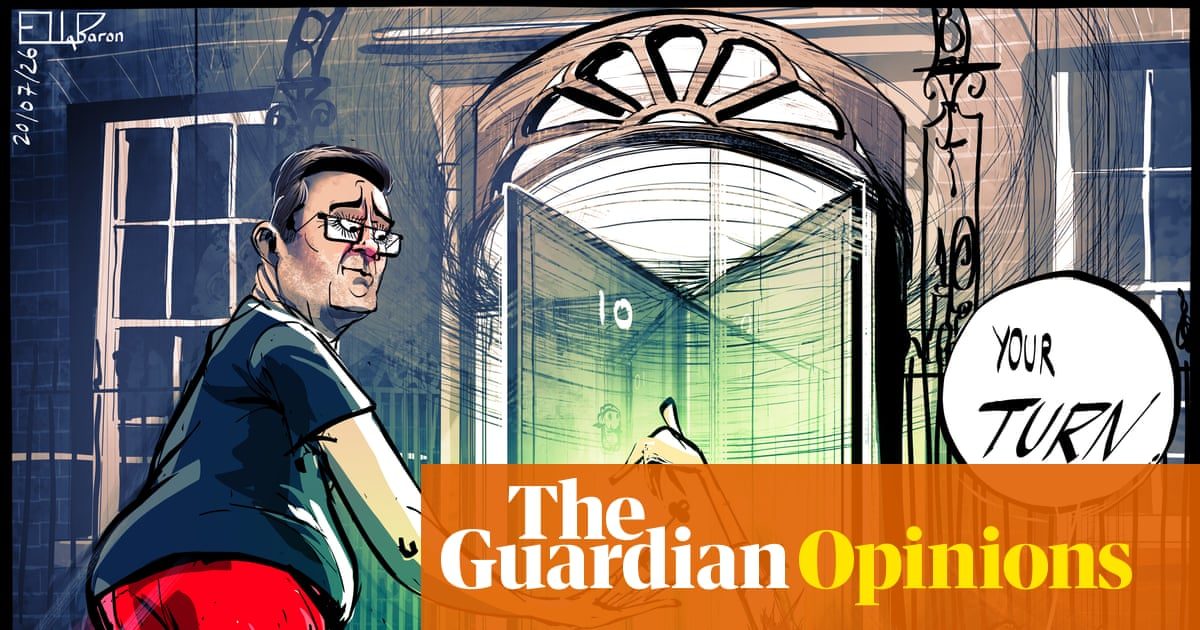
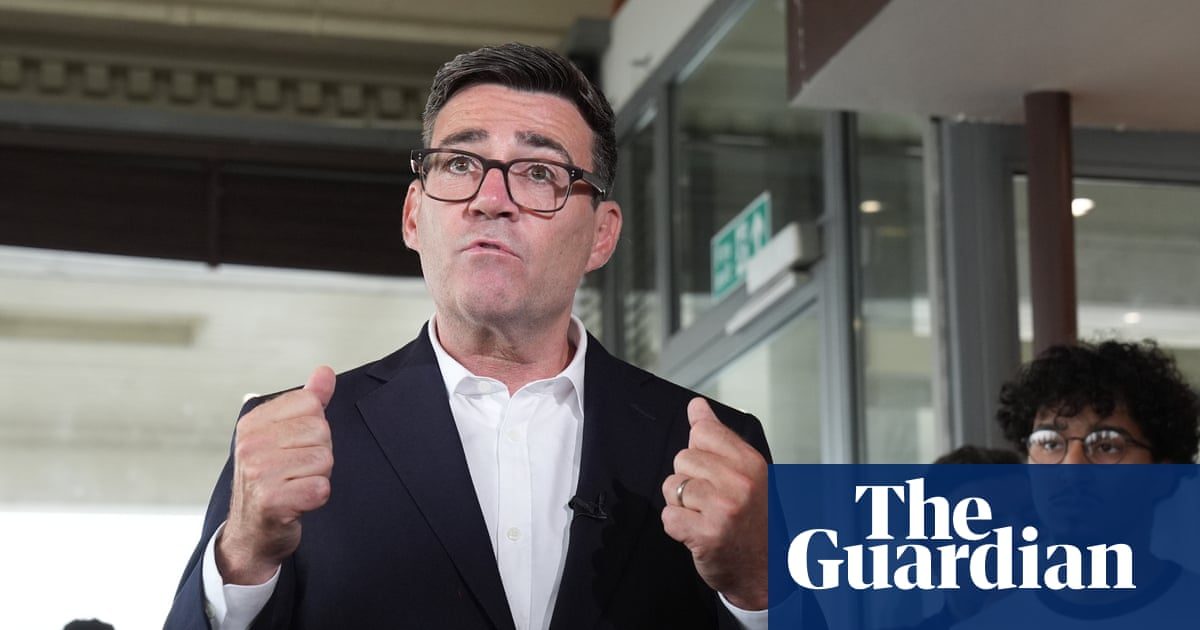
Andy Burnham has taken over as UK prime minister after Keir Starmer's unprecedented approval collapse, leaving Europe's second-largest economy facing potential policy paralysis over energy and welfare reforms.
Keir Starmer has left 10 Downing Street little more than two years after winning 412 seats in a landslide general election victory, replaced by Andy Burnham. Starmer’s departure follows a historic collapse in public support, with his net approval rating plunging to -66 by September 2025, the lowest recorded by Ipsos for any British prime minister since 1977.
For European investors and businesses, the abrupt ousting of a leader with a 156-seat majority signals deep instability in the UK’s governing apparatus. Starmer’s downfall was accelerated by rebellions over his welfare bill, which saw 47 Labour MPs break party discipline despite ministerial concessions, highlighting a government unable to reliably pass economic legislation.
Burnham inherits a party fundamentally fractured with its traditional union base, a critical fault line for industries ranging from energy to public services. Britain’s second-largest union, Unite, cut its Labour affiliation fees by more than half a million pounds this year. Meanwhile, the GMB and Prospect unions, representing tens of thousands of energy workers, heavily criticised Starmer’s net zero policies. A recent poll showed support for Labour among trade union members plummeting by 20 points, leaving the party tied with Reform UK at 28%.
Burnham is attempting to repair this damage, recently meeting union leaders at Unison’s headquarters and promising “greater public control of essential services”. However, his upcoming choice of chancellor is already a flashpoint; Unite and the GMB oppose energy secretary Ed Miliband for the role, while Unison supports him. This tension foreshadows difficult trade-offs between climate commitments and the demands of oil and gas workers.
To placate his parliamentary party, Burnham has promised to abandon Starmer’s strict disciplinary measures, telling MPs he will never use party rules to “stifle debate” and wants the whips’ office to act like “our HR department”. However, managing 403 MPs without firm discipline could invite legislative volatility, undermining the policy predictability that markets require. The political chaos is underscored by the admission from Louise Haigh that she and Burnham began plotting against Starmer less than a year into his tenure.
Burnham must also navigate a parliamentary party with contradictory economic demands. “Red wall” MPs will urge him to retain a hard line on immigration, while others will push to soften Shabana Mahmood’s welfare proposals. Environmentally focused lawmakers are anxious about potential row-backs on net zero, and southern MPs are wary of his “Manchesterism” and possible council tax reforms. With Labour’s traditional voter bases—including 3.9 million Muslims in England and Wales—drifting toward independents and the Green party, Burnham faces a monumental struggle to stabilise both his party and the UK's economic agenda.