Creditors arm for legal fight as UK eyes Thames Water nationalisation
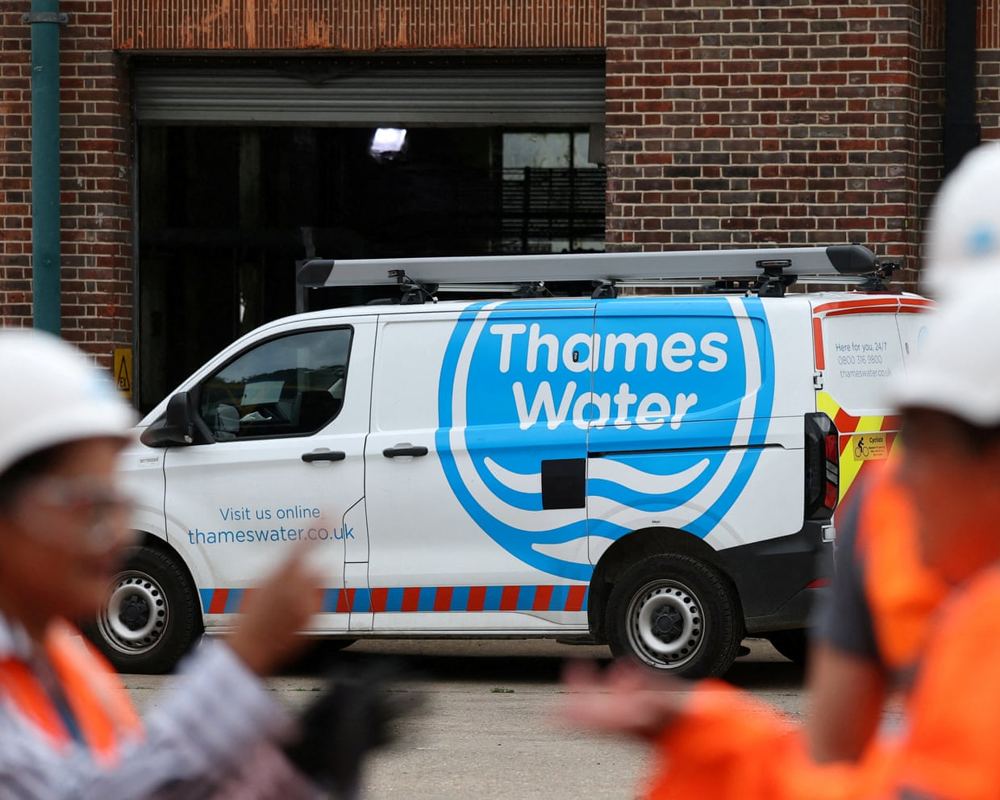
The creditors holding £17bn of Thames Water’s debt are hiring litigators as the likely next prime minister prepares a temporary nationalisation that could cost taxpayers £2bn, setting up a landmark clash over Britain’s failing water infrastructure.
A consortium of institutional investors holding £17bn of Thames Water’s debt is preparing for a potential multi-billion pound legal battle amid reports that the likely next prime minister, Andy Burnham, plans to temporarily nationalise the struggling utility. The group, London & Valley Water (L&VW), has brought in top litigation firm Pallas Partners as a precautionary measure while it attempts to push through a £10bn private rescue deal.
The showdown over Britain’s biggest water company will be closely watched across European utility markets. It highlights the growing friction between private infrastructure owners and governments forced to intervene when heavily indebted utilities fail, raising questions about who ultimately bears the cost of decades of financial engineering.
The L&VW consortium, featuring fund managers like Apollo Global Management, Elliott Management, and Farallon Capital Management, insists a state takeover is unnecessary. These lenders have pursued ownership since a failed sale to US group KKR last year. Mike McTighe, the corporate troubleshooter leading the proposed governance overhaul, said: “We remain ready and willing to recapitalise Thames Water, return it to investment grade, and begin the long process of turning it around. We urgently need government engagement to begin that process.”
Burnham has signalled that the taxpayer must gain control if forced to prop up the company, which serves 16 million customers. Reports suggest he is preparing a special administration regime (SAR), a form of temporary public ownership that creditors warn could cost £2bn. An ally of Burnham said: “If it is going to cost the taxpayer £2bn to keep the company afloat then the taxpayer needs to receive something in return; that means control, so that we can fix the company and secure the water supply for thousands of families and businesses.”
McTighe indicated the consortium is open to discussing enhanced public control, stopping short of full public ownership. “We are keen to meet new ministers as soon as possible to discuss how we can work together in the best interests of customers, including by enhancing public control of the company’s operations,” he said. Despite this olive branch, the hiring of Pallas Partners alongside restructuring advisers Akin Gump signals creditors are ready for a fight.
“Creditors are assessing all potential routes that the situation regarding Thames Water may play out,” said a person close to the consortium. “There is no legal action being taken at this point. This is purely a precautionary measure.” Environment Secretary Emma Reynolds has already voiced concerns about the consortium's proposed terms to the regulator, Ofwat.