Brussels empties for summer as EU sanctions talks slow to a halt
EU institutions are shutting down for the August recess, threatening to delay new sanctions packages against Russia and Israel while Brussels empties out.
Brussels is effectively closing for business. The EU Council, European Commission, and European Parliament are cutting activity to a minimum as officials depart the Belgian capital in mid-July for the summer recess, leaving a narrow window to advance pressing agendas.
The exodus threatens to stall critical foreign policy measures that directly impact European markets. EU diplomats are currently holding around 15 working group meetings a day in late July, primarily in a last-minute push to finalise new sanctions packages against Russia and Israel.
For European companies and investors, this scheduling bottleneck means extended regulatory uncertainty. Firms awaiting clarity on updated trade restrictions will likely have to wait until the autumn. The diplomatic pace will rapidly taper off, falling to five meetings daily, then one, before reaching zero in August.
Formal legislative decision-making will not fully resume until a general affairs council convenes on 22 September. In the interim, the Irish EU presidency is attempting to keep select threads alive by hosting informal ministerial talks in Dublin. Ministers will gather to discuss education on 20 July, the environment on 23 July, fish on 28 July, defence on 31 July, and foreign affairs on 1 September.
The European Commission technically never closes, but there will be no college meetings of the 27 commissioners throughout August. Public events will be scarce, limited to isolated diary items such as R&D commissioner Ekaterina Zaharieva meeting Bulgarian prime minister Rumen Radev in Sofia on 23 July, and environment commissioner Jessika Roswall having tea with Swedish royals in Stockholm on 26 August.
Meanwhile, the European Parliament will close its doors from 27 July to 21 August. The building is already emptying, as MEPs depart on official delegations to the Azores, Beijing, Cairo, La Paz, New York, and Washington DC during the final week of July.
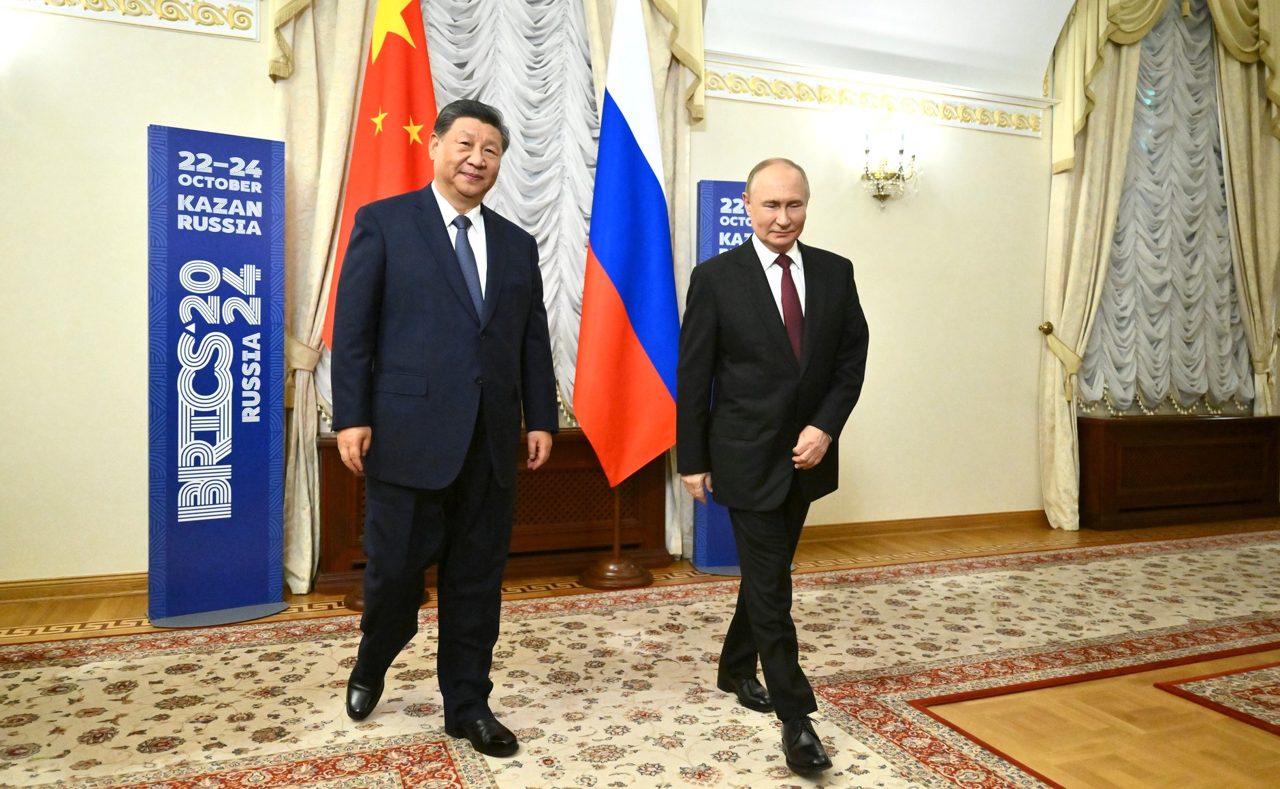
This institutional slowdown across the continent contrasts sharply with the realities on Europe's eastern border. Russian president Vladimir Putin is not expected at his beloved Black Sea palace this summer due to the presence of Ukrainian drones. Should the conflict suddenly escalate during the quiet weeks ahead, the bloc insists it can reactivate. “Special meetings and video conferences have been convened during August when required [in the past], including at ministerial level where necessary [if there was an unforeseen crisis],” an EU official said.