UK Spectator accused of systemic anti-Muslim bias in new report
A comprehensive new report has found that the majority of the Spectator’s coverage of Muslims over eight years was biased, highlighting how anti-Muslim rhetoric has been normalised within Britain’s political mainstream.
The Centre for Media Monitoring released a report last week analysing 3,733 articles about Islam or Muslims published in the Spectator. The study identified a "sustained and systemic pattern of biased coverage" spanning an eight-year period. More than half of the relevant articles reviewed were rated as biased.
According to the findings, the magazine consistently portrayed Muslims as a "problem population" that is threatening or aggressively colonising British society. Articles routinely delegitimised the concept of Islamophobia itself. The publication dismissed concerns about racist abuse as "dainty sensibilities" and "handwringing".
Contributors described Islam as "uniquely indigestible to the modern secularised state" and argued that "we should have second thoughts about approving mosques". In one cited piece, the growing Muslim population was described in terms of "semi-literate, virgin-obsessed potential murderers among [sic] our midst".
Peter Oborne, the magazine's former political editor, wrote the report's foreword and traced this shift in editorial direction. He noted that the publication has moved from condemning Enoch Powell to "steadily rebuilding his reputation". Oborne also pointed to the magazine platforming broader far-right politics, including praising Tommy Robinson as "intelligent, quick, articulate, well-informed, good-mannered".
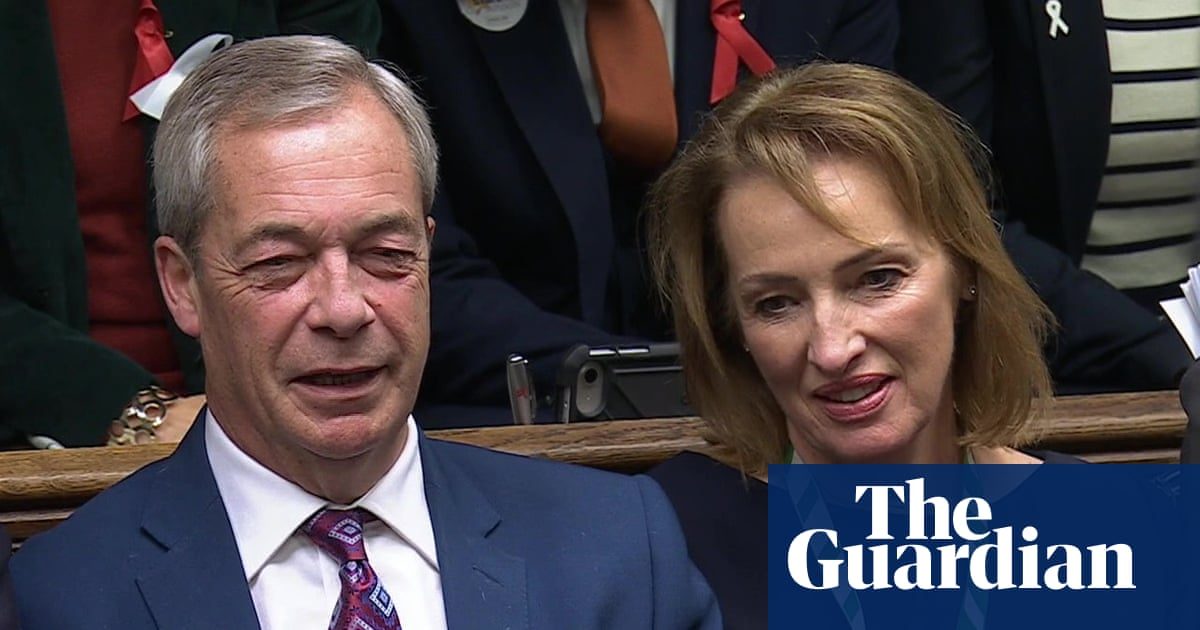
What matters most for British public life is not just the content, but its mainstream acceptance. The Spectator’s summer party remains a premier social event in the Westminster calendar. Both Labour and Conservative politicians, alongside mainstream journalists, routinely attend to mingle with figures like Nigel Farage. The magazine boasted that this year's gathering "remains the most sought-after social ticket of the Westminster summer season".
The report’s authors argue that this represents a broader radicalisation in right-wing media, where anger and scaremongering have replaced serious conservative intellectual discourse. This dynamic unfolds against a backdrop of rising far-right protests and physical attacks on mosques across the UK. For the rest of Europe, the British case illustrates how extremist rhetoric can be normalised through historically respectable institutions. By socialising with the magazine's editors, Britain's political and media elites demonstrate a tacit acceptance of these views, ensuring that such rhetoric faces no meaningful institutional pushback.