Eurozone inflation eases to 2.8% ahead of tense ECB rate vote
A broad-based drop in eurozone inflation gives the European Central Bank a strong argument to hold rates steady this week, though a resurgent oil shock from the collapsing Iran truce keeps a surprise hike on the table.
Eurozone inflation cooled to 2.8% in June, its first decline this year, giving the European Central Bank a timely reason to keep interest rates unchanged when it meets on Thursday. The final figures from Eurostat showed a sharp drop from 3.2% in May across almost the entire bloc.
The breakdown of the data strongly supports a pause. Core inflation, which excludes volatile energy and food prices, fell from 2.6% to 2.4%, while services inflation eased from 3.5% to 3.2%. Prices fell in 22 of the EU's 27 member states, with France dropping to 2% and Germany to 2.4%, though Spain remained elevated at 3.6% and Italy at 3%.
The complication for Frankfurt is that the geopolitical shock driving the recent inflation spike has returned. An interim peace agreement at the end of June had pushed Brent crude down to around $72 a barrel from a peak near $120 in March. That truce has since deteriorated rapidly.
The United States and Iran have exchanged fresh strikes, Tehran has attacked commercial shipping, and Washington has tightened its naval blockade and reinstated sanctions. The escalation pushed Brent back up to $87 a barrel on Friday, reviving the risk of a surprise rate hike.
ING still expects the ECB to hold its deposit facility rate at 2.25% this week, viewing a second consecutive increase as more realistic for September. Policymakers also have institutional cover to wait, as July is not a forecasting meeting where the bank updates its economic projections.
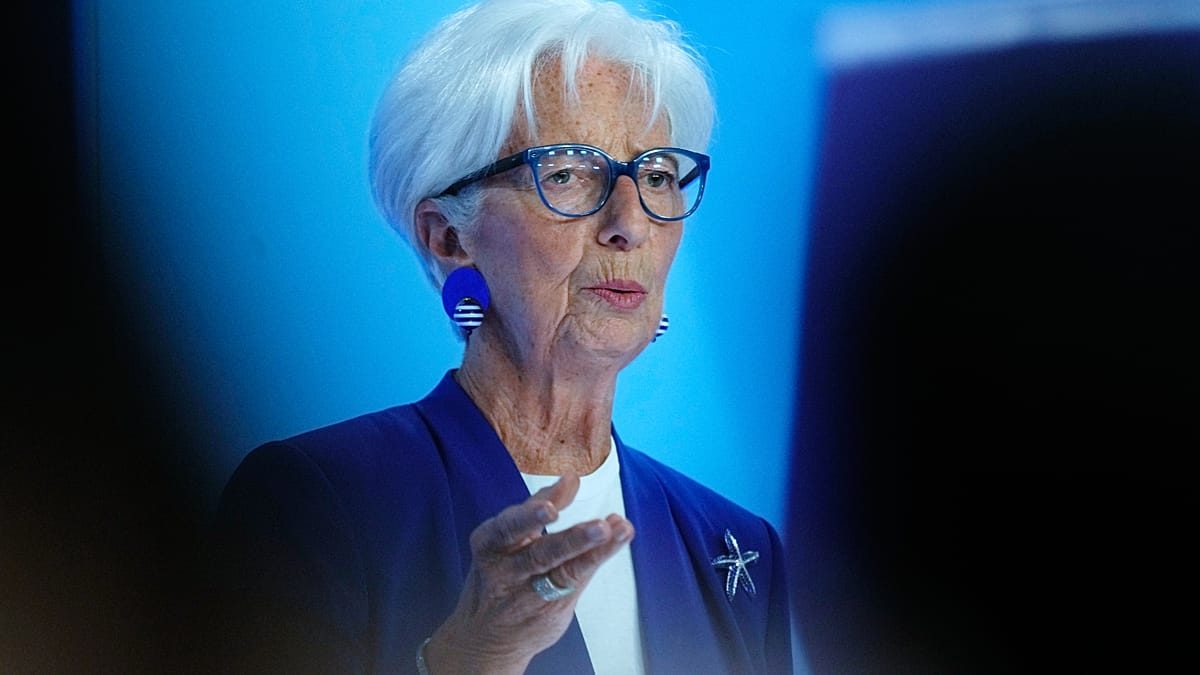
ECB President Christine Lagarde has given no hints about the timeline. At the bank's Sintra forum, she insisted June's increase was not an "insurance hike" but a necessary response to persistent inflation, noting that price growth would not hit the 2% target until late 2027 without further tightening.
"Forward guidance is not in the cards," Lagarde said, signalling that decisions will rely entirely on incoming data. The ECB remains the only major Western central bank to actually raise rates this cycle, standing apart from the US Federal Reserve and the Bank of England, which both held steady in June.