London’s £500m Elephant and Castle revamp drives out local firms
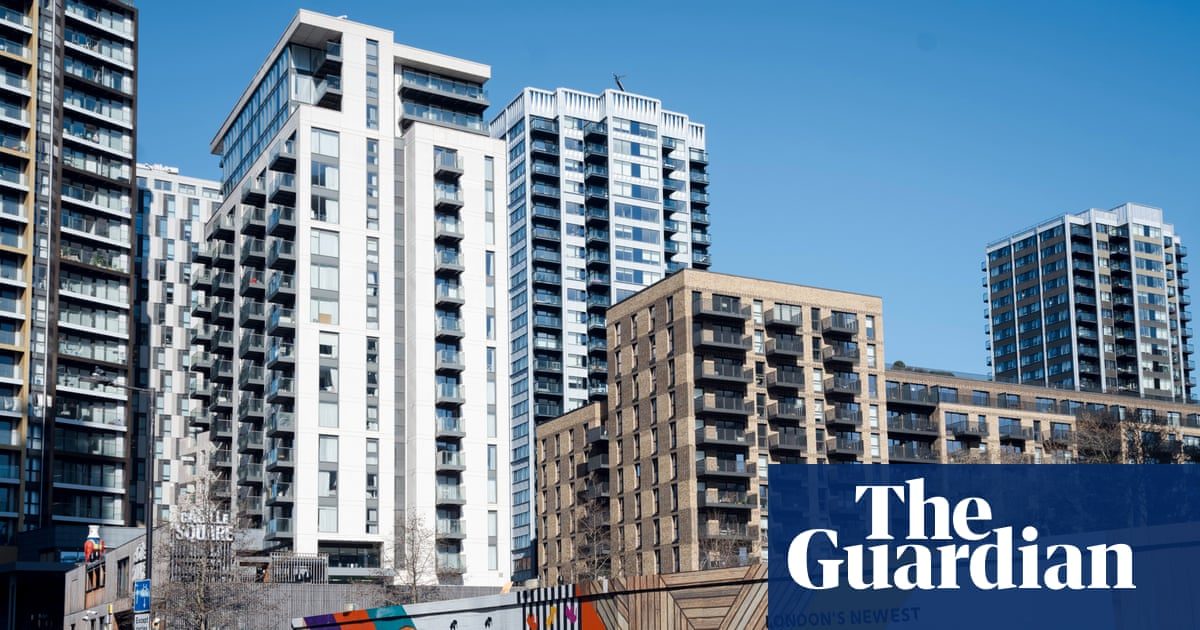
A flagship £500m London redevelopment is replacing independent traders with corporate chains, highlighting a growing European tension between urban renewal and economic displacement.
The Elephant, a £500m redevelopment in south London, welcomes its first commercial tenant this month. The project replaces a 1960s shopping centre with modern towers containing 40 retail units, offices, a cinema and hundreds of flats.
The new commercial lineup is dominated by national chains like Blank Street Coffee, Pret a Manger and Marks & Spencer. This corporate footprint comes at the direct expense of the area's former retail ecosystem, which included roughly 90 independent Latin American businesses.
Developers Get Living and Southwark council promised displaced traders temporary and subsequently permanent low-cost spaces. Instead, temporary sites proved unviable metal containers. Today, fewer than half the displaced businesses have been offered new premises nearby, with only five of the 40 new commercial units reserved for returning local firms at affordable rents.
“I hoped to be part of it. But there has been delay after delay and now I can’t see how it will happen for me,” says Diana Sach, a former restaurant owner who once employed over 30 people. The residential model mirrors this commercial shift; of 485 rental homes in the first phase, just five are at social rent.
Oli Mould, a geography professor at Royal Holloway, University of London, calls Elephant and Castle “‘patient zero’ of London’s gentrification.” He warns the approach creates an “identikit homogeneous gentrified place”, destroying the local economic vibrancy that makes communities attractive to investors in the first place.
Even the few local businesses that secured space nearby face eviction. Accountant Dario Lopez represents traders fighting rent hikes, noting a lack of developer investment to drive footfall. “The area is still a building site, and in the first five years the developers have failed to invest in anything that will bring people from outside the area to visit,” he says.
Get Living’s outgoing boss Rick de Blaby acknowledges locals endured a “decade of destruction”. The firm states it is “working closely with Southwark council to finalise the affordable retail strategy, with a clear commitment to ensuring that eligible independent traders from the former Elephant and Castle shopping centre are given first priority when applying for discounted market rent units”.
Southwark council insists affordable retail space is a “cast-iron condition of planning permission”. Yet the outcome points to a familiar European dilemma: large-scale capital investment that physically modernises a district while economically displacing the small-business community that originally gave it value.