Bureaucratic blind spot leaves non-US military spouses stranded in Germany
A legal gap in Germany's application of the US Status of Forces Agreement traps non-American military spouses in administrative limbo, denying them Schengen mobility.
Lodemé Pendergraph, a South African who moved to Germany last October as the spouse of an active-duty US serviceman, spent seven months navigating a severe administrative blind spot to secure a German residence permit. Her case highlights a structural flaw in how Germany handles third-country nationals tied to the US military, leaving them without the basic freedom of movement granted to other legal residents.
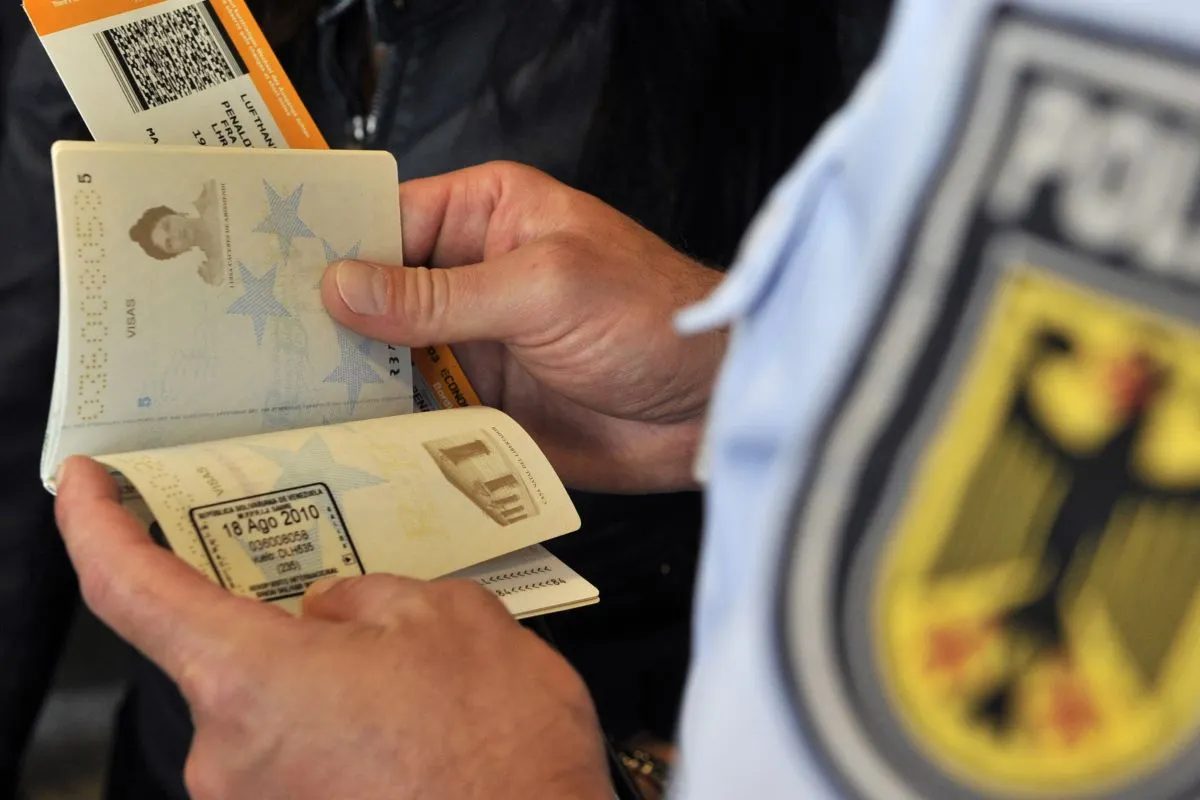
Under the Status of Forces Agreement (SOFA) between Berlin and Washington, US military personnel, civilian employees, and their dependents are exempt from standard German immigration rules, including address registration. However, for non-American spouses holding so-called "weak passports," SOFA status does not automatically confer a Schengen visa. “But because I'm affiliated with the military, I don't get a Schengen visa, so figuring out what paperwork I'm supposed to have was pretty difficult,” Pendergraph said.
The practical consequence of this legal gap is a severe restriction on European mobility. Settling near Trier, close to the Luxembourg border, Pendergraph found herself effectively confined to Germany. “It didn't allow me to travel outside of Germany, which is a huge drawback,” she noted, pointing out that military families often expect to use their European base as a hub for continental travel. Furthermore, her physical SOFA card, which is not stamped into her passport, nearly prevented her from boarding flights back from South Africa.
Seeking a standard residence permit to resolve the travel restrictions, Pendergraph hit a wall of institutional ignorance. Local foreigner offices (Ausländerbehörde) refused her application, with staff claiming they had no knowledge of visa eligibility for military spouses. “Everyone is just like, ‘Someone else will deal with it,' and the person who ends up dealing with it is the immigrant,” she said, describing how both the US base and German authorities deflected responsibility.
The bureaucratic deadlock was ultimately broken not by official channels, but through peer networks and legal intervention. Pendergraph found the correct procedures through the Facebook Foreign Spouse Network and used an on-base military lawyer to identify the specific legal code granting her a right to a permit. “It only took me seven months, multiple visits to the Ausländerbehörde, a bunch of emails and a little cry session,” she said. She finally received the permit in May, tied to her husband’s military orders.