Infantino's 64-team World Cup plan meets European resistance
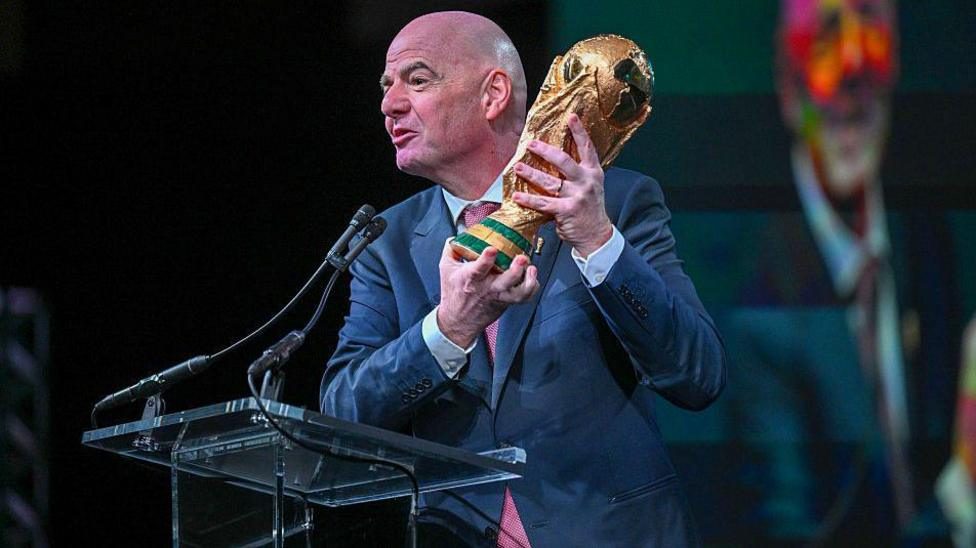
FIFA president Gianni Infantino has signalled support for expanding the World Cup to 64 teams, a move European football leaders warn would damage the sport's competitive balance and overload regional hosting economies.
FIFA president Gianni Infantino has opened the door to expanding the World Cup to 64 teams, arguing that smaller nations need a guaranteed pathway to the tournament. The proposal, initially pushed by South American confederation Conmebol for the 2030 centenary event, would add 24 matches and require at least five extra days of competition.
The plan faces fierce pushback from European football's governing body. Uefa president Aleksander Ceferin has dismissed the expansion as a "bad idea" for both the main tournament and the qualifying process. The leaders of North and Central America's Concacaf and Asia's AFC share this concern, warning that inflating the tournament further damages "the broader football ecosystem" and risks bringing "chaos".
For European leagues and broadcasters, the core issue is competitive dilution. While Infantino points to emerging nations like Cape Verde as proof that smaller teams can compete, the reality of a 64-team draw would mean qualifying sides like Italy, Denmark and Poland. Almost a third of FIFA's 211 member nations would participate, effectively turning the group stage into an extended, low-stakes qualifying round that diminishes the premium value of the World Cup brand.
The logistical and financial burden of such an event would likely fall heavily on European countries. Future tournaments will struggle to replicate the indoor, climate-controlled stadiums used in North America this summer, especially as record European heatwaves make daytime play increasingly unviable. A 64-team format would demand more than 16 host cities and 64 elite training facilities, pushing the sport toward unwieldy regional bids, such as combining the UK with Scandinavia or Eastern Europe, to share the infrastructure costs.
Ultimately, the expansion is driven by FIFA's revenue model. When Infantino was elected, he promised to distribute more money, and he has delivered: every football association now receives $8m over a four-year cycle, with confederations getting $60m. A 48-team World Cup is currently projected to generate $9bn. Adding another round of fixtures would extract even more from television and sponsorship deals, securing Infantino's likely unopposed re-election next year at the cost of the tournament's sporting integrity.