US advances autonomous drone programme with live-fire tests
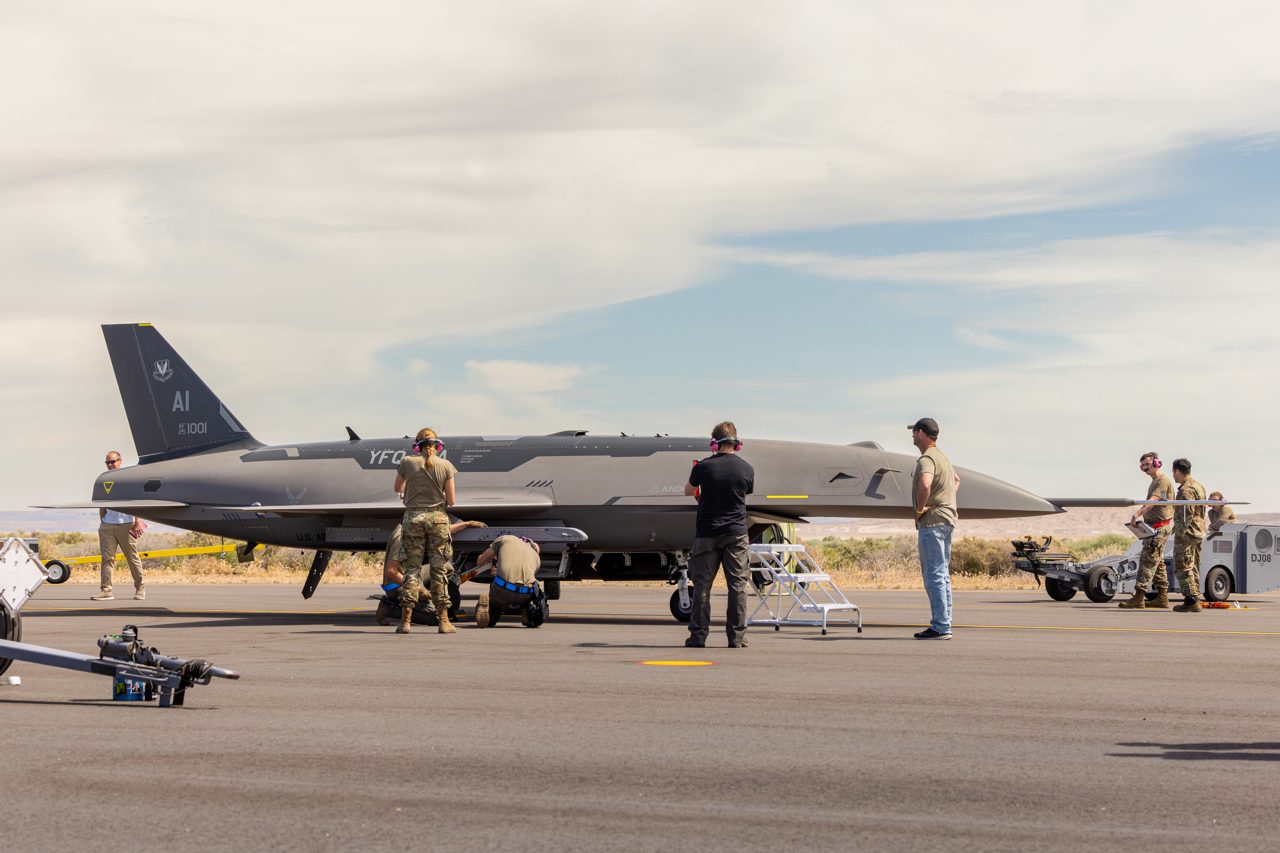
The U.S. Air Force has conducted its first live-fire missile test from an Anduril-built autonomous drone, signaling a rapid push toward mass procurement that will pressure European defence contractors to keep pace.
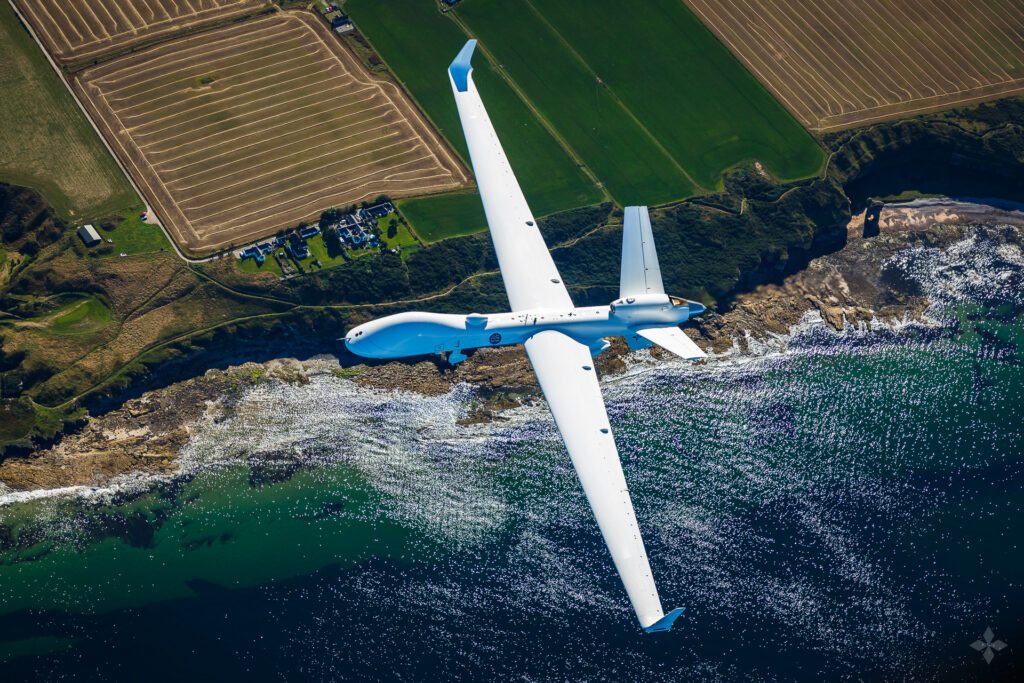
The U.S. Air Force successfully fired an inert AIM-120 missile from an Anduril-made YFQ-44A drone, marking the first live-fire test of a semiautonomous Collaborative Combat Aircraft. The aircraft also recently completed a beyond-line-of-sight strike against a simulated target. General Atomics’ competing YFQ-42A drone is scheduled for similar live-fire testing this fall.
These tests represent the initial phase of a major procurement push. The Air Force wants to acquire 100 to 150 CCA drones in this first increment, with a long-term goal of fielding 1,000 autonomous aircraft. While these early models act primarily as weapons carriers, future iterations will be equipped with sensors and distributed electronic warfare capabilities.
For Europe’s aerospace sector, the timeline is a stark reminder of the industrial race underway across the Atlantic. As U.S. firms like Anduril and General Atomics secure early production contracts, European rivals developing similar technologies under the FCAS and Global Combat Air Programme face mounting pressure to demonstrate comparable progress.
European defence ministries and investors should expect spending on autonomous systems to accelerate as the technology matures. If Washington successfully scales its 1,000-drone fleet, allied nations will likely face strong pressure to integrate compatible systems, potentially reshaping transatlantic supply chains.
Building human trust in these autonomous systems remains a primary hurdle. Frank Kendall, the former Air Force secretary who served under Joe Biden, told a Mitchell Institute roundtable on Thursday that operators are building confidence through computerized, man-in-the-loop simulations. Looking ahead to the aircraft's eventual use in the Red Flag combat training exercise, he warned the military must not use early setbacks as an excuse to retreat.
The training is already yielding tangible results in simulated combat. “The guys with the CCAs are beating the crap out of the guys without them, and not losing any manned fighters,” Kendall said. When he asked crews why they were not resisting the new technology, a young pilot told him: “Sir, these things are going to save our lives.”
This tactical edge is driving rapid software iteration. Kendall recalled flying in an AI-modified F-16 where testers ran a million simulations overnight to adjust the software for the next day's flight. He warned that the U.S. is not alone in this pursuit, noting that future air battles could soon feature CCA fighting CCA as China develops its own systems.