UK vacancies drop to 712,000 as fragile labour market tests new PM
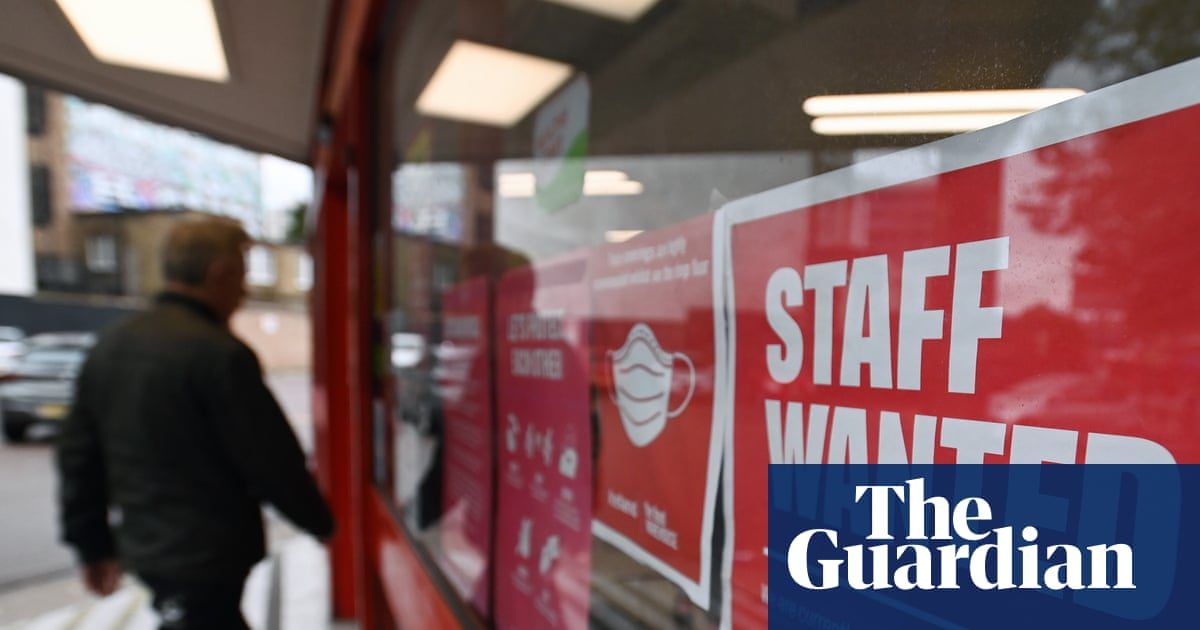
A sharp drop in UK job vacancies and slowing private sector pay growth signal a weakening labour market that will complicate Prime Minister Andy Burnham's bid to raise living standards.
UK job vacancies fell to 712,000 in the three months to May, according to the Office for National Statistics. This is almost half the level recorded in 2022. Unemployment held steady at 4.9%, defying economist expectations of a rise to 5%.
Private sector earnings growth slowed to 2.9%. This pulled the average pay rise, including bonuses, down to 4.3%. Economists had forecast this figure to reach 4.5%, but the cooldown in wages will likely relieve the Bank of England.
Several Bank of England officials have recently worried that stubbornly high pay was adding to production costs and inflationary pressures. The softer pay data therefore reduces the immediate pressure on the central bank to raise interest rates. This provides a marginal cushion for the broader economy.
The labour market data underscores the difficult inheritance for Prime Minister Andy Burnham. He has pledged a 10-year economic plan to raise living standards across all UK regions. Instead, employers are delaying hires as the jobs market weakens.
Unemployment has risen steadily from a 3.6% low in the summer of 2022. It peaked at 5.2% last year before a brief stabilization following the autumn budget. That respite has now faded amid the economic fallout from Donald Trump’s attack on Iran.
Suren Thiru, chief economist at the accountancy body ICAEW, said: “These figures point to a fragile labour market, with soaring employment taxes and the economic turbulence sparked by the Iran war pushing some firms to limit recruitment and cut pay awards.” He added that the continued fall in job vacancies is a stark warning that demand for staff is “dissipating under the weight of sky-high staffing costs, more onerous regulation and heightened uncertainty.”
The outlook for jobseekers is expected to worsen over the coming months. “Jobseekers will probably face more strain over the summer, with unemployment likely to edge noticeably higher as elevated cost pressures and weakening demand increasingly inhibits hiring – especially if uncertainty over future tax policy persists,” Thiru said.