China mulls AI model export curbs, threatening European developers
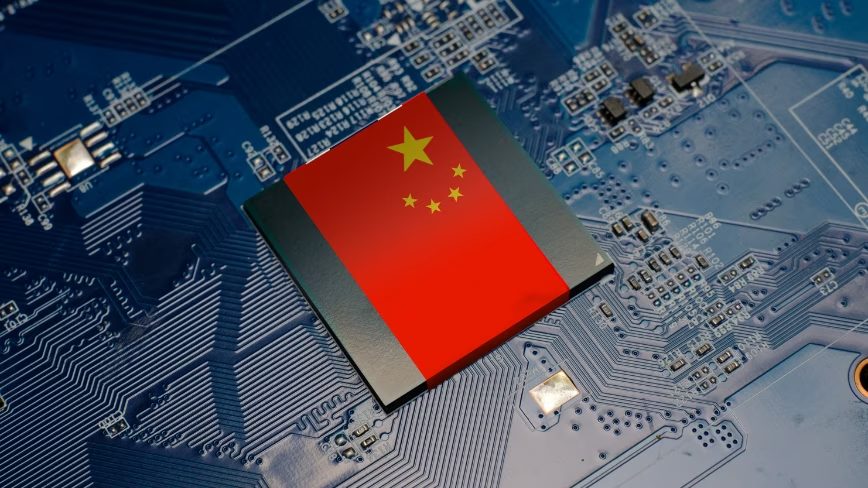
Beijing is drafting export controls for its domestic AI models and chips, a shift in industrial policy that could cut off European firms from a crucial, low-cost alternative to American technology.
China is weighing new export restrictions on its home-grown artificial intelligence models and the chips designed to run them. The Ministry of Commerce has initiated consultations with leading domestic technology groups about establishing a formal licensing regime for these advanced systems.
Regulators are reviewing export lists for AI-related goods, considering tighter end-user checks, and exploring higher hurdles for transferring technology abroad. The stated goal is to prevent China’s most advanced systems and fastest-growing start-ups from being acquired or utilised by Western firms.
Folding finished AI accelerators and their associated models into a controlled export framework would mark a major shift in Beijing’s industrial policy. While China already restricts the export of rare earths and certain semiconductor materials, guarding completed software and hardware represents a significant escalation.
Earlier this month, the commerce ministry held discussions with Alibaba, ByteDance, and the start-up Z.ai about limiting overseas access to their flagship systems. Those talks covered both closed and open-weight models, specifically targeting Alibaba’s Qwen, ByteDance’s Doubao, and Z.ai’s GLM-5.2. Regulators floated a tiered review system that could keep frontier models entirely within the country.
Risk to European developers
The implications for Europe are direct and potentially disruptive. Smaller European developers and companies have increasingly relied on China’s freely downloadable models as a cheaper alternative to expensive services from US tech giants. If Beijing erects a new AI export regime, that accessible supply of competitive artificial intelligence could rapidly narrow.
This strategic pivot is also a notable reversal for Beijing. For a decade, Chinese officials loudly criticised the export controls levelled against their country by the United States. Drawing up domestic curbs of its own represents a mirror image of the American strategy that originally pushed Chinese firms toward developing custom silicon.
The manoeuvring unfolds against a backdrop of an increasingly bitter semiconductor conflict. Washington has steadily tightened its own curbs, most recently moving to close a loophole that allowed Nvidia’s top chips to reach Chinese buyers through overseas subsidiaries.
Beijing has already responded with rare-earth restrictions and antitrust probes. However, no final decisions have been made on the AI controls, and the commerce ministry has not commented publicly. Analysts expect any eventual rules to target future, high-performance systems rather than software already circulating online, though the plans could still be shelved. Many observers view the current discussions primarily as bargaining leverage to pressure Washington into easing its own chip restrictions.