UK PM Burnham announces cost of living aid as Healey faces inflation trap
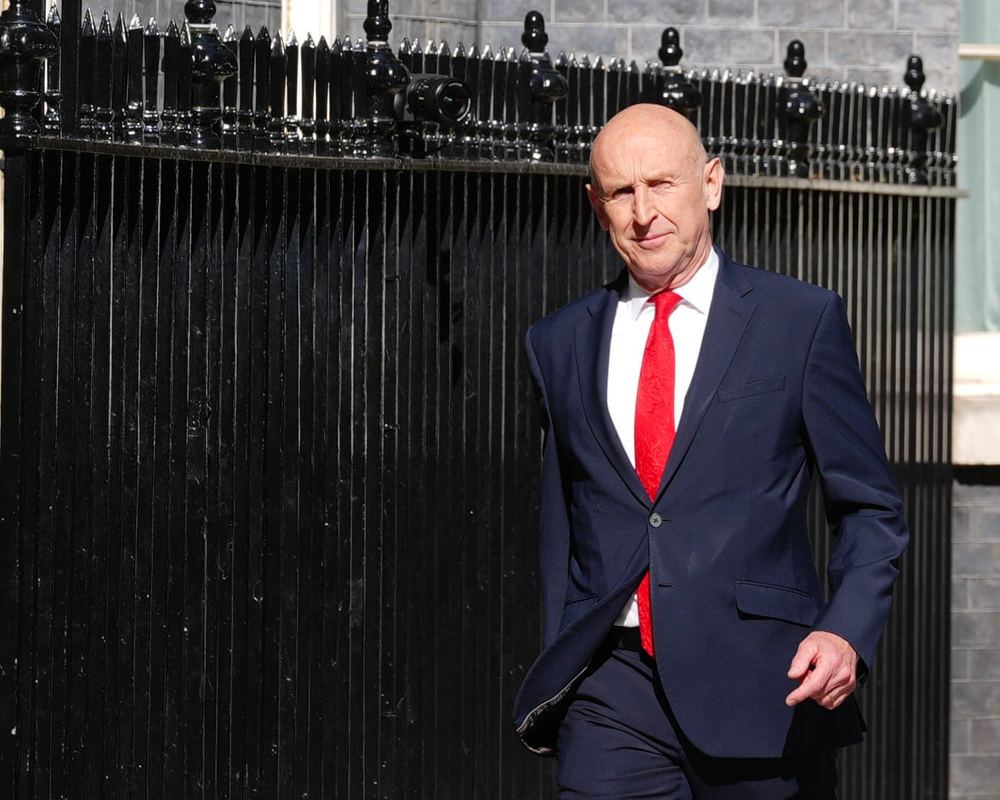
British Prime Minister Andy Burnham has unveiled new cost-of-living measures, forcing Chancellor John Healey to navigate a severe macroeconomic trap that will dictate the UK's growth path and interest rate outlook.
British Prime Minister Andy Burnham today unveiled measures aimed at giving households “some breathing space” from the cost-of-living crisis, placing immediate pressure on new Chancellor John Healey to deliver results.
Healey takes office facing a bleak economic inheritance. Before Rachel Reeves left office, the average UK family was on track to be worse off in 2029 than in 2019. This marks the first time on modern record that household incomes have fallen across an entire decade, deviating sharply from the norm of rising by about £5,000 every five years.
The broader macroeconomic environment severely limits the new chancellor's options. Consumer and business spending is drying up, yet inflation and borrowing costs remain elevated. Fresh supply chain pressures from the conflict in Iran make it more likely that the Bank of England will raise interest rates rather than cut them.
This creates what economists describe as a "triple bind" for Healey: a politically unsustainable income outlook, a compressed timeline before the next election, and the risk that heavy-handed government intervention could trigger even higher borrowing costs for families and businesses.
Targeted interventions
To escape this trap, analysts suggest the government must lower essential prices directly without stimulating broader demand. A temporary VAT cut on electricity is a starting point, but proposals from the Joseph Rowntree Foundation point toward an "affordable energy guarantee". This would reform the Ofgem pricing system to provide cheaper baseline energy, weighted toward lower-income households, while supporting the net zero transition.
On housing, the focus is on slowing national rent growth while giving mayors flexibility to tailor measures for local markets. This would be paired with a tax overhaul allowing mortgaged landlords to fully deduct interest costs, offset by applying national insurance to their remaining income. Evidence suggests this combination could reduce landlord financial distress and maintain the supply of new housing development.
Funding such support requires tax reforms targeting investment income. Under the current system, a quarter of people earning above £10m a year pay a lower effective tax rate than the average employee. Closing this gap between capital gains and earned income could finance the relief.
Modelling indicates this targeted package could return real incomes to growth, offsetting recent declines and Middle East-related price shocks. Furthermore, the measures could reduce inflation by half a percentage point, potentially easing pressure on interest rates. For European markets, the UK's ability to execute this delicate balance is critical, as prolonged British stagflation poses broader risks to continental trade and regional rate expectations.