Burnham axes UK tech department, promotes AI minister to cabinet
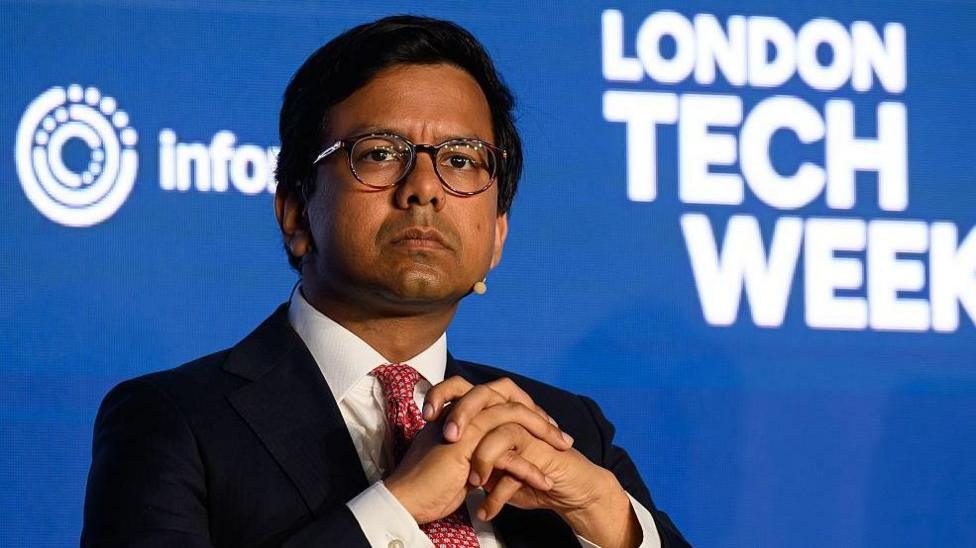
Prime Minister Andy Burnham has abolished the UK's dedicated technology department, raising questions about institutional stability while elevating the AI minister to cabinet to drive economic growth.
Prime Minister Andy Burnham has scrapped the Department for Science, Innovation and Technology (DSIT) just two years after its creation by the previous Conservative government. The department's responsibilities will now be split across other Whitehall ministries. This means the UK no longer has a dedicated technology secretary, a position held by Liz Kendall until her dismissal.
In a parallel move, AI Minister Kanishka Narayan has been elevated to attend cabinet. Narayan called the invitation a "sign of his deep commitment to AI's importance." He framed the technology as a catalyst for a "reindustrialised Britain" but acknowledged public anxiety over the pace of change and job security.
The dismantling of DSIT has unsettled the technology sector. Dom Hallas, head of trade body the Startup Coalition, said the abolition was "clearly a bad thing" but noted Narayan's cabinet presence could mitigate the damage. The immediate priority, he argued, must be spreading AI adoption across government and the wider public.
Narayan inherits significant structural challenges, particularly regarding digital infrastructure. Professor Adam Beaumont, chairman of telecoms firm AQL, warned that another reorganisation risks "changing too many things at once." To compete globally, he stressed that the UK urgently needs to build more domestic data centres to secure its compute capacity.
That expansion faces severe physical constraints. Data centres require massive amounts of electricity and water, resources already under strain in the UK. "Without power there's no compute, without the compute there's no knowledge economy," Beaumont said, noting that energy supply is not growing fast enough to support AI.
The political stakes for the government are high. Professor Gina Neff of the University of Cambridge noted that Labour is effectively hitching its future electability to AI delivering tangible economic growth. However, voters must see benefits before experiencing any job losses. "People want to see the economy improving and kids getting jobs," Neff said.