US Pix dispute sets a warning for Europe's digital euro
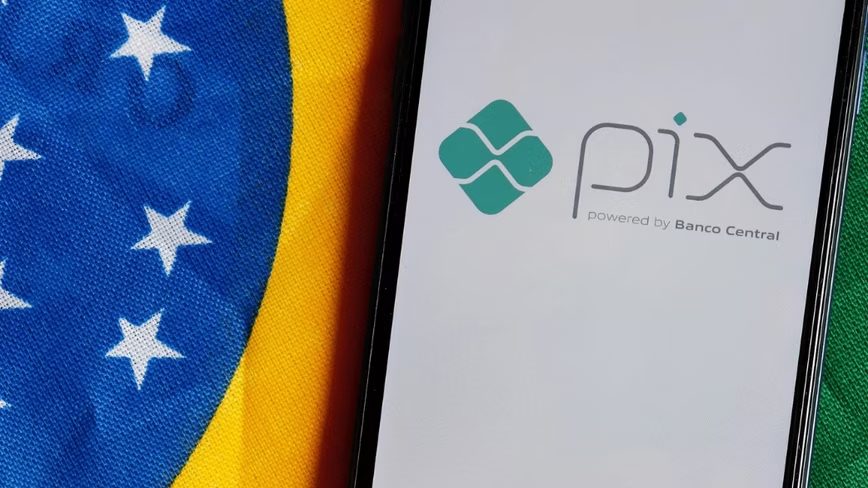
Washington's decision to target Brazil's state-built Pix payment network as an unfair trade practice sets a precedent that could complicate Europe's plans for a digital euro.
The US government has formally labelled Brazil’s state-built instant payment system, Pix, an unreasonable burden on American commerce, triggering tariffs and setting off alarm bells for European policymakers. In a June determination, the Office of the US Trade Representative argued that the central bank’s dual role as both regulator and operator of Pix creates an inherent conflict of interest.
Launched in November 2020 by Brazil’s central bank, Pix allows free, real-time transfers using a phone number, email, or QR code. Its adoption has been massive. By early 2025, over 160 million individuals and 19 million businesses were registered, moving roughly $6.7 trillion across nearly 80 billion transactions last year. It now accounts for 42% of Brazilian e-commerce purchases, having recently overtaken credit cards.
Washington contends this success came at the expense of foreign competition. USTR complained that mandatory participation for large banks, capped fees, and prominent placement in banking apps have disadvantaged US payment firms. The finding was bundled into a broader Section 301 investigation that also covered ethanol, intellectual property, and deforestation, culminating in a 25% duty on most Brazilian goods slated for late July.
A precedent for public digital infrastructure
The immediate commercial impact is clear, but the broader implications stretch across the Atlantic. According to the Atlantic Council, treating a domestic payment system as a trade barrier establishes a precedent that directly threatens Europe’s plans for a digital euro and similar central bank digital currencies.
Never before has USTR targeted a country’s public payment rail as an enforcement issue, though India’s UPI network drew similar scrutiny in the 2026 National Trade Estimate report. For European central banks currently exploring their own instant-payment rails, the Brazil clash serves as a live test of how far governments can go in offering free public alternatives to private networks.
Brazilian officials have framed the fight as a matter of sovereignty. President Luiz Inácio Lula da Silva called Pix "a heritage of our people and an international reference for digital public infrastructure". However, US Secretary of State Marco Rubio accused Brasília of failing to negotiate in good faith, a sentiment echoed by USTR Ambassador Jamieson Greer, who noted that a year of talks failed to bridge "substantial differences".
Monica de Bolle of the Peterson Institute for International Economics wrote that the coming weeks will "reveal the contemporary limits of monetary sovereignty". With the tariff schedule still fluid as talks continue and Brazil holding back on immediate counter-tariffs, cross-border payment firms are left watching closely for any disruption to the flows routing through the country.