Spain backs Hernández de Cos for ECB presidency in first-ever bid
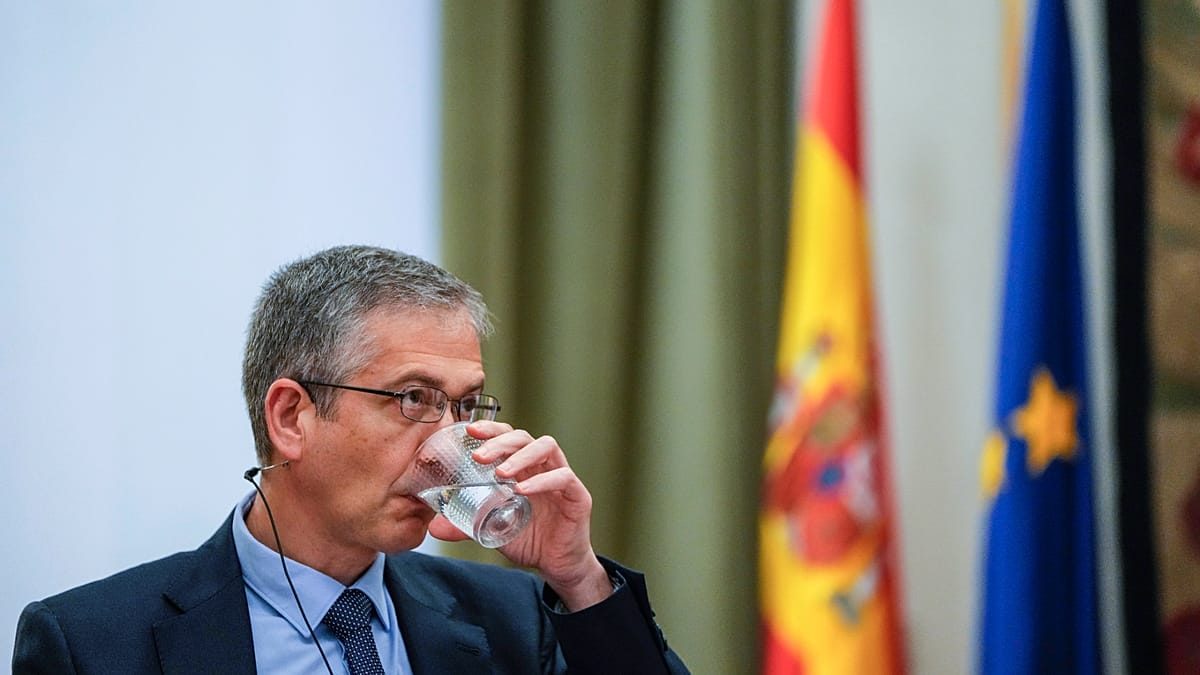
Madrid has endorsed former Bank of Spain governor Pablo Hernández de Cos to lead the European Central Bank, a landmark move aimed at ending the country's current absence from the institution's executive board.
The Spanish government has selected Pablo Hernández de Cos as its candidate to succeed Christine Lagarde as president of the European Central Bank, marking the country's first-ever bid for the eurozone's top monetary post.
Madrid's decision is driven by an urgent need to fill a representational vacuum. Spain currently holds no seat on the ECB's six-member executive board following the end of Luis de Guindos's vice-presidency, which passed to Croatia's Boris Vujčić earlier this year.
Hernández de Cos, who took charge of the Bank for International Settlements in July 2025, brings heavy regulatory credentials. He ran the Bank of Spain from 2018 to 2024, chaired the Basel Committee on Banking Supervision, and has topped economists' surveys this year as the most prepared candidate for the role.
However, Madrid's strategy is absolute. Because his current BIS position outranks any other ECB executive board role, Hernández de Cos will only accept the presidency. If the top job falls out of reach, the government will pivot to an alternative candidate to secure a standard board seat and avoid repeating a previous six-year gap in Spanish representation.
The race has been accelerated by mounting signs that Lagarde will depart early. Reports suggest she may leave before the April 2027 French election, allowing Emmanuel Macron and German Chancellor Friedrich Merz to shape the succession. Lagarde recently told Les Échos that "a European voice needs to be heard in the French presidential debate," while telling Euronews, "I'm not a candidate for anything."
The compressed timetable will push the succession debate into overdrive after the summer. The next president, who serves a non-renewable eight-year term, requires a qualified majority vote from euro area finance ministers before final approval by EU leaders.
Hernández de Cos faces a crowded field, contending with the Netherlands' Klaas Knot and Germany's Joachim Nagel and Isabel Schnabel. For investors, his candidacy introduces the prospect of a strictly orthodox bank supervisor taking the ECB helm, a shift that could recalibrate the institution's balance between monetary policy and financial stability oversight.