UK drops household electricity VAT from October, leaving businesses exposed
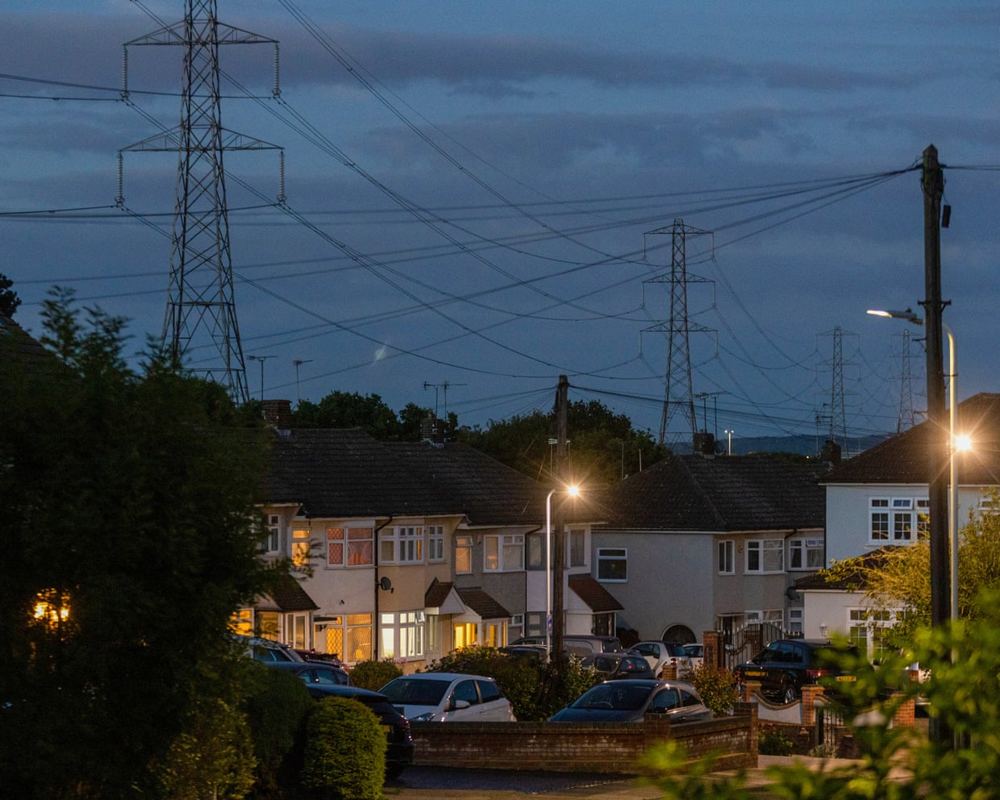
The UK government will temporarily scrap VAT on household electricity bills this winter, a move that subsidises green technology but fails to shield businesses from ongoing fossil fuel inflation.
From 1 October, the UK will eliminate the 5% value-added tax on electricity used by households in Great Britain. The policy, announced by Andy Burnham, coincides with the introduction of the energy regulator Ofgem’s winter price cap and is expected to reduce a typical annual dual-fuel bill by roughly £45.
While households will see relief, the tax cut will not apply to the vast majority of British enterprises. Industry groups warn that leaving businesses unprotected does little to halt the economic contagion of elevated energy costs, which continues to inflate the price of everyday goods across the economy.
Because the tax is applied to total consumption, the cash savings will disproportionately benefit wealthier households and those with high electricity usage. The measure effectively acts as a subsidy for green technologies, making it cheaper to run heat pumps and charge electric vehicles. “By choosing to take VAT off electricity only, rather than gas, it appears that Burnham has finally gotten the memo that the priority is to get Britain using our homegrown clean power,” said Camilla Born, head of Electrify Britain.
Economists question whether the policy is the right tool for the current crisis. The Institute for Fiscal Studies notes that since the start of the Iran war, gas prices have surged 24% compared to a 5% rise in electricity. “If the goal of today’s policy is to help households that have lost out as a result of the war, it is not well targeted at achieving that aim,” the thinktank said.
The cut also offers limited respite for the most vulnerable. Adam Scorer, chief executive of National Energy Action, pointed out that most low-income households rely on gas heating and cannot afford to switch to electric alternatives. “It will help everyone, but be less useful for the huge majority of low-income households who heat their homes with gas and cannot afford the upfront cost of shifting to solar, batteries and heat pumps. It is not a trivial distinction,” he said.
Underlying the policy debate is a record £5.5bn in household energy debt. Steve Vaid, chief executive of the Money Advice Trust, urged the government to implement an Ofgem-consulted debt relief scheme that would allow suppliers to write off outstanding bills. “Ministers should move ahead with the scheme now to provide urgent respite for people who’ve built up energy debts through no fault of their own,” he said, noting that 46% of people seeking help cannot cover essential bills.
Northern Ireland will retain the 5% rate due to post-Brexit rules requiring alignment with EU tax rates, though Stormont will receive funding for alternative cost-of-living support. Looking ahead, Andrew Sissons of the thinktank Nesta suggested November’s budget “would be the right opportunity for the new chancellor to set out a wider and more long-term set of reforms to reduce electricity costs,” pointing to a separate £3.2bn proposal that would shave £130 off average bills.