Colmar bans love locks with €300 fines, curbing souvenir sales
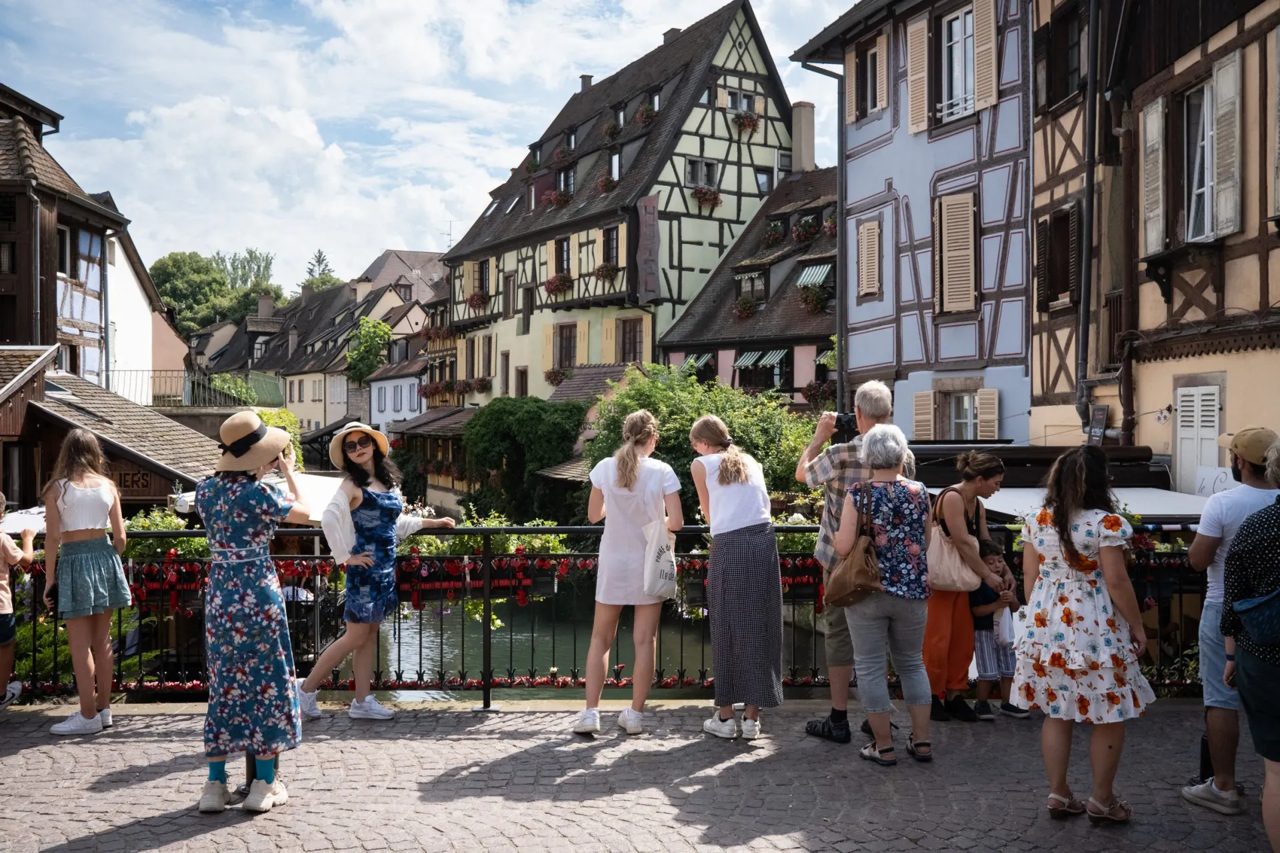
Colmar has introduced €300 fines for attaching padlocks to its historic bridges, prioritising infrastructure repair over a €18,000 local souvenir trade.
Authorities in the French town of Colmar have banned tourists from attaching padlocks to a bridge in the "Little Venice" district, threatening offenders with fines of up to €300.
The move follows the removal of roughly 600 kilograms of locks during the summer of 2025. Officials determined the accumulated weight had caused physical damage to the bridge's railings, prompting stricter enforcement when the practice resumed this year.
"We decided to take slightly more coercive measures by threatening a fine of €300, which is clearly proving effective," mayor Éric Straumann told France Info.
While the policy protects public infrastructure, it directly impacts local commerce. Alexandre Ghaschny, who owns a souvenir shop in Colmar's medieval centre, estimates he sells around 3,000 love locks annually. Priced at €6.95 each, the padlocks generate approximately €18,000 in yearly sales.
"I'm not going to have to close my business because of it, but it's symbolic that the mayor is targeting these items," Ghaschny told Le Parisien.
Colmar is the latest French municipality to grapple with the financial and physical toll of the romantic tradition. The issue gained prominence in 2015 when Paris removed tens of thousands of locks from the Pont des Arts after a railing collapsed under their weight. The city installed plexiglass panels to deter the practice, though visitors continue to attach locks to remaining structures and anti-theft barriers.
A persistent problem
Across France, local governments frequently appeal to visitors to stop attaching locks to street furniture and bridges, citing the cost of infrastructure damage. The sheer weight of the metal consistently threatens the structural integrity of historic railings, forcing towns to choose between ongoing repairs and aggressive enforcement.
The tradition itself traces back to the Serbian town of Vrnjačka Banja. According to local legend, it began as a response to the story of a schoolteacher named Nada, who died of grief after her army officer fiancé, Relja, left her for another woman during World War I. Couples began fastening engraved padlocks to the local bridge and throwing the keys into the river, a ritual later popularised across Europe by the Serbian poet Desanka Maksimović.