Sila raises $300m to challenge Chinese battery dominance
Battery materials startup Sila has secured $300 million to scale its US factory, offering European automakers like Mercedes a crucial, high-performance alternative to Chinese-controlled graphite anodes.
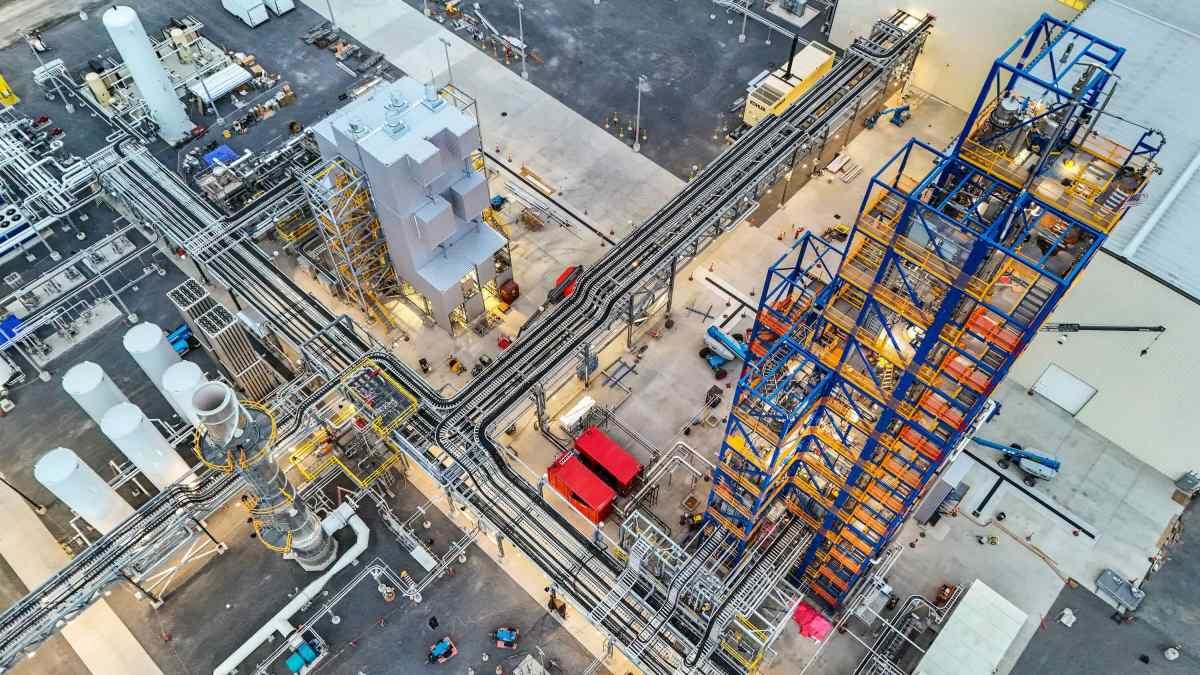
Battery materials startup Sila has raised $300 million to expand its Washington State production facility. The investment will scale the plant's output from its current capacity of 2 gigawatt-hours to tens of gigawatt-hours annually. Once complete, the factory will produce enough silicon-carbon anode material to power more than 100,000 electric vehicles.
For European manufacturers, the expansion provides a critical tool to restructure their supply chains. Chinese firms currently control about three-quarters of the global graphite anode supply, a near-monopoly that leaves Western automakers heavily exposed to trade tariffs and geopolitical friction. Sila’s technology offers one of the few non-Chinese alternatives that is available in quantities large enough for mass automotive production.
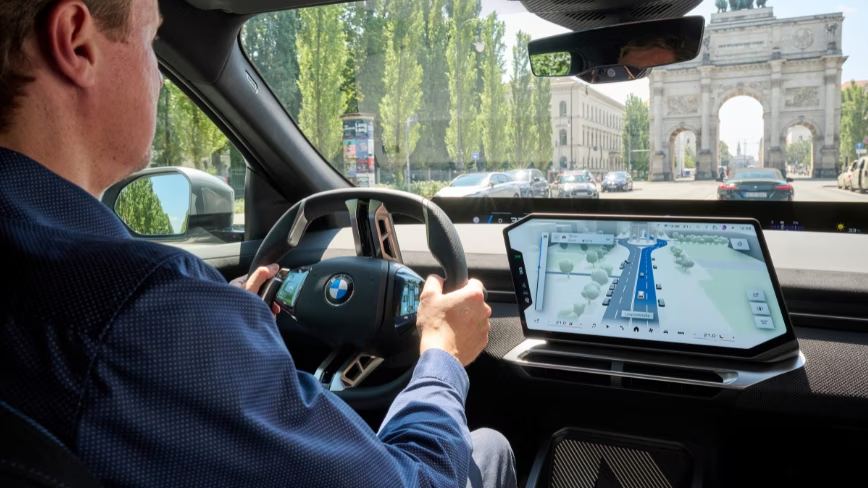
Mercedes has already signed a supply agreement with Sila, alongside Panasonic, driven by clear technical advantages over traditional graphite lithium-ion batteries. Sila’s silicon-carbon anodes can store up to 40% more energy and facilitate faster charging times. The company spent 15 years developing the material under chief executive Gene Berdichevsky, who was the seventh employee at Tesla.
The new capital injection highlights a widening gap between regional EV markets. Demand in the United States has softened this year compared to 2025, depressed by the Trump administration's efforts to curb the technology. However, worldwide electric vehicle sales are up 27% year over year, according to Benchmark Minerals Intelligence.
Automakers are not the only beneficiaries of higher-capacity anodes. Energy storage systems represent a rapidly growing segment of the battery market as electricity demand surges. AI data centers have emerged as major buyers of grid-scale battery packs, using them for backup power and to manage peak demand charges, while also enabling continuous operation of renewable solar and wind installations.
The $300 million round was led by Atreides Management and Sutter Hill Ventures. It drew participation from 8VC, Bessemer Venture Partners, Matrix Partners, and funds advised by T. Rowe Price Associates. The round brings Sila’s total capital raised to roughly $1.3 billion, cementing its position in the Western effort to build an independent battery supply chain.