Ukraine replaces top general as protests over minister's sacking grow
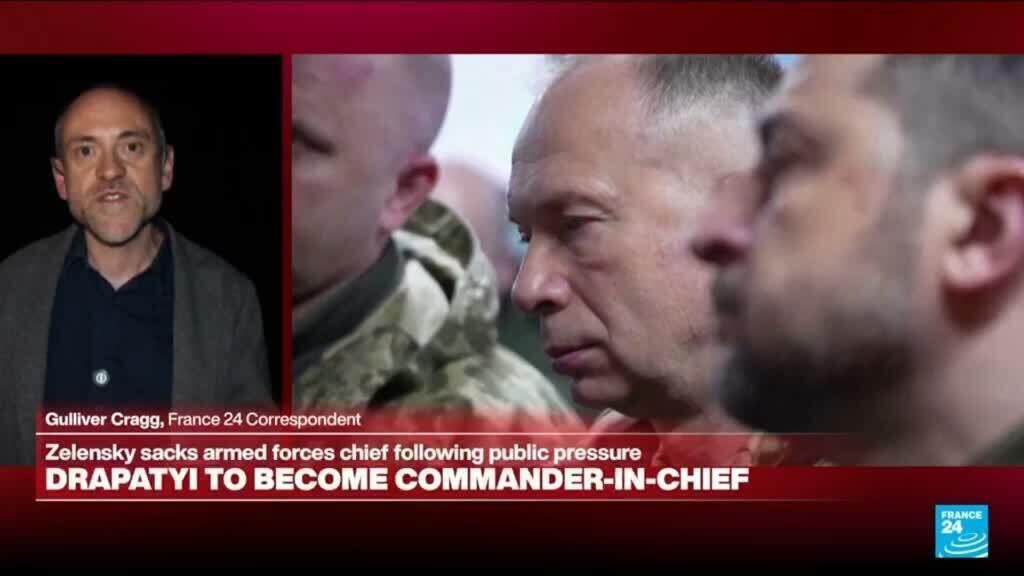
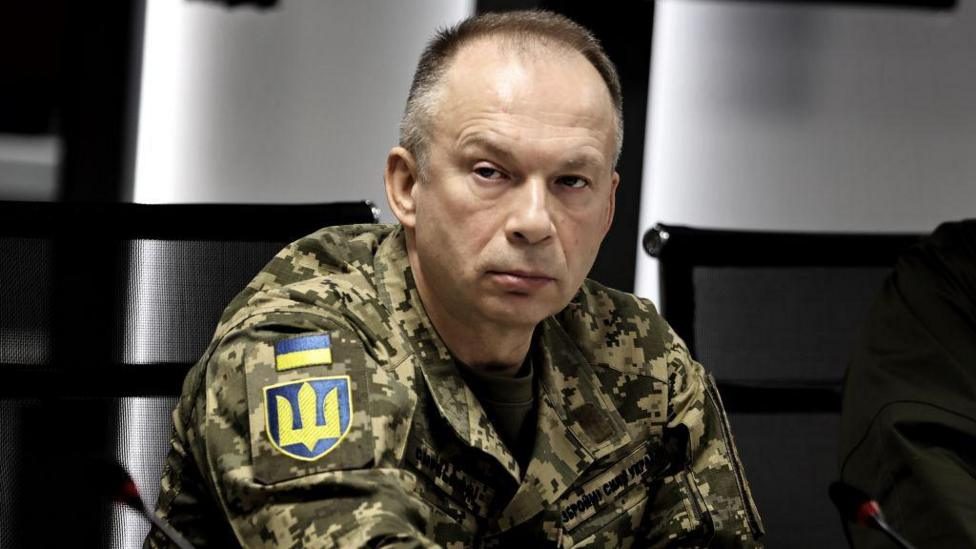
President Volodymyr Zelenskyy has dismissed General Oleksandr Syrskyi and replaced him with Major General Mykhailo Drapatyi, a move aimed at quelling mass domestic protests that have exposed deep rifts in Ukraine's wartime leadership.
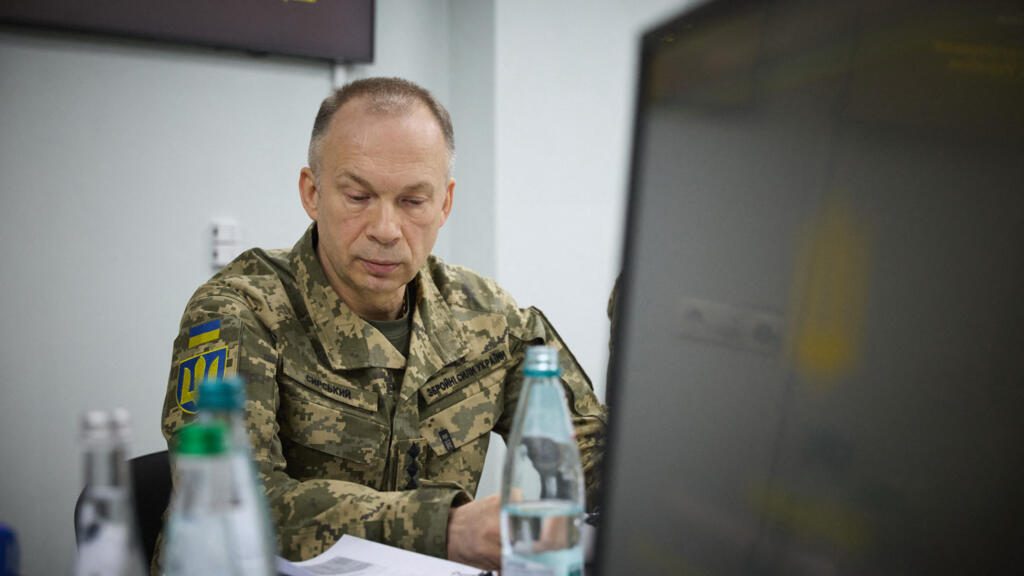
President Volodymyr Zelenskyy dismissed four-star General Oleksandr Syrskyi as commander-in-chief on Tuesday, appointing Major General Mykhailo Drapatyi in his place. The leadership change follows days of mass protests triggered by the dismissal of Defence Minister Mykhailo Fedorov. Zelenskyy said the decision came after consultations with military command on reorganising the General Staff.
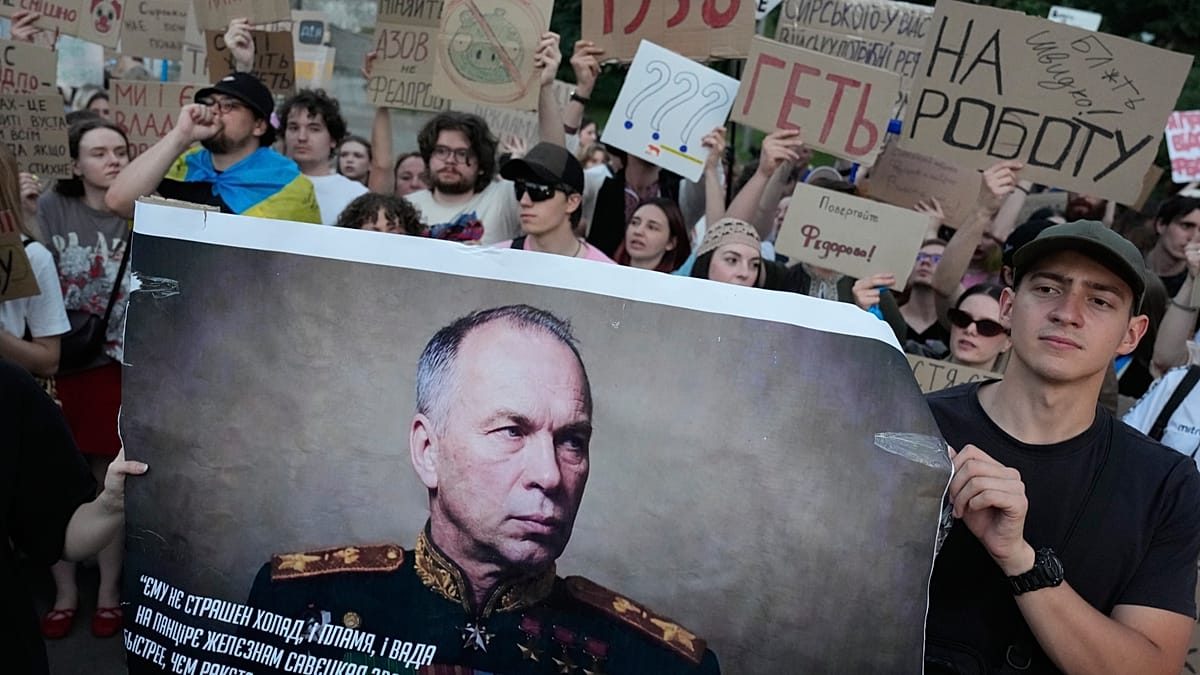
The removal of Fedorov, a reform-minded minister widely backed by civil society and the armed forces, ignited a political crisis. Protesters accused Zelenskyy of enabling entrenched military hierarchies over a figure associated with cleaner procurement and better conditions for soldiers. The public anger ultimately forced the president's hand regarding the military's top uniformed officer.
Zelenskyy attempted to frame Syrskyi’s departure respectfully, noting his role in the defence of Kyiv, the Kharkiv offensive, and the Kursk operation. However, Syrskyi had faced widespread criticism over his military management style. “The defence of Ukraine continues, and every soldier deserves to be treated with respect,” Zelenskyy said.
Drapatyi enters the role with strong backing from both the military and activist circles. Most recently, he led the Joint Forces in the northeastern Kharkiv region, where Ukrainian units recaptured significant territory around Kupiansk. His earlier command, the Dnipro operational-strategic group, was notably dissolved by Syrskyi in October 2025.
The new commander-in-chief has openly aligned himself with the reform agenda pushed by the ousted defence minister. Drapatyi praised Fedorov’s six-month tenure for tackling long-ignored military problems and pushing for faster decision-making.
“The military needs change, but without justice, no change will make sense to the people who carry this war on their shoulders every day,” Drapatyi wrote last Thursday. He added: “A commander has no right to remain silent about problems, especially when their cost is measured in lost opportunities, time and human lives.”
For European governments and investors, the upheaval underscores the governance risks tied to a war now in its fifth year. Public friction between the defence ministry and the general staff complicates the institutional reforms that European partners have linked to massive financial and military aid packages. Stable management of defence procurement is a prerequisite for the long-term economic planning required to sustain Ukraine's resistance.
Despite dismissing Syrskyi, Zelenskyy made no mention of reinstating Fedorov. Veteran and protest organiser Dmytro Koziatynskyi has given the president until Friday, 24 July to submit Fedorov’s candidacy for defence minister. “If by Friday, 24 July, Syrskyi is not dismissed and Fedorov’s candidacy for the position of minister of defence is not submitted, we will begin a general indefinite protest,” Koziatynskyi warned.
The reshuffle has partially met the demonstrators' demands, but the political crisis is not yet resolved. As Zelenskyy noted, the ultimate goal remains to “defeat the enemy and to create conditions on the front line and exert sufficient pressure on Russia to force it to make peace.”