UK's Burnham cuts bus fares to £2, reallocating net zero funds
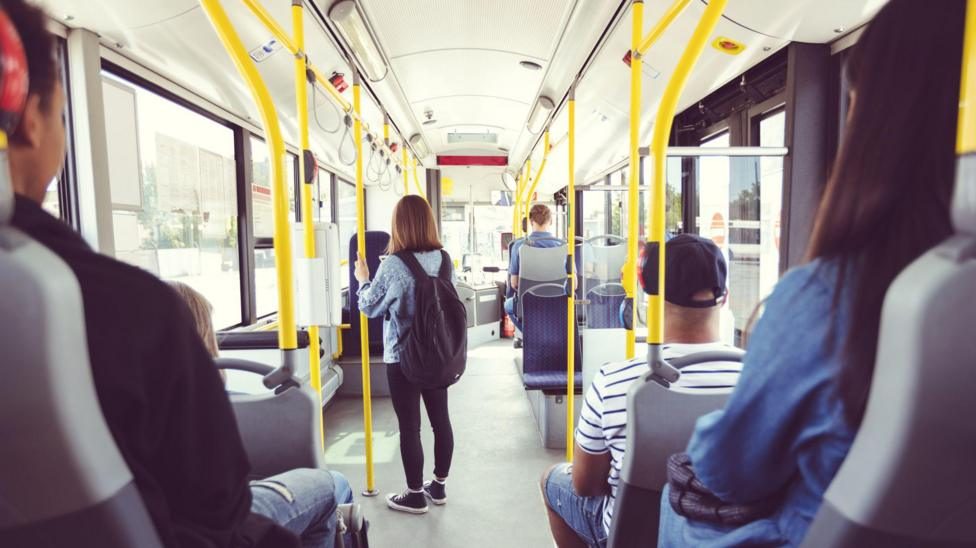
The UK government will reinstate a £2 cap on English bus fares by reallocating hundreds of millions from energy and net zero budgets, marking the new prime minister's latest move to ease living costs amid scrutiny over fiscal discipline.
Prime Minister Andy Burnham has announced that the maximum fare for a single bus journey in England will drop back to £2 from January 2027. The policy reverses a rise to £3 implemented earlier this year under his predecessor, Sir Keir Starmer.
The scheme is expected to cost more than £500 million. To finance it, the government will reallocate £454 million from the Department for Energy Security and Net Zero, supplementing existing transport budgets. This funding mechanism immediately drew criticism from the opposition.
Shadow Chancellor Mel Stride argued the administration is failing to manage public finances properly. "That is a worrying sign, we need to have a government which is on top of the public finances, not one that is making lots of spending commitments without explaining where the money is going to come from," he told BBC Breakfast.
For bus operators, the voluntary scheme presents a familiar trade-off. When the £2 limit was first introduced by the Conservative government in 2023, an official evaluation found it accounted for 5% of a 13% increase in ridership over ten months. However, the same review concluded the subsidy offered poor value for money, as passenger savings depended heavily on local pre-cap pricing.
The macroeconomic effects are mixed but tangible. The Office for National Statistics previously credited the original fare cap with helping to reduce inflation in 2023. Lower-income passengers in rural and coastal areas, where single tickets are typically more expensive, stand to gain the most this time around.
Reinstating the bus cap is the second consumer-friendly policy Burnham has unveiled in as many days, following a VAT cut on household electricity bills. Both measures are framed as delivering on his promise to lead a "cost of living government" and give people a "sense that help is coming".
However, paying for these measures by abandoning Starmer's digital ID scheme has triggered an early parliamentary dispute over whether the books truly balance. As Burnham redirects funds away from green and digital infrastructure toward immediate consumer relief, investors and markets will be watching closely to see if this spending shift undermines the UK's longer-term fiscal sustainability.