UK funds bus fare cap by turning climate grants into loans
The UK government is financing a new £2 bus fare cap by converting international climate finance grants into loans, a move that raises questions about the country's fiscal credibility and global climate commitments.
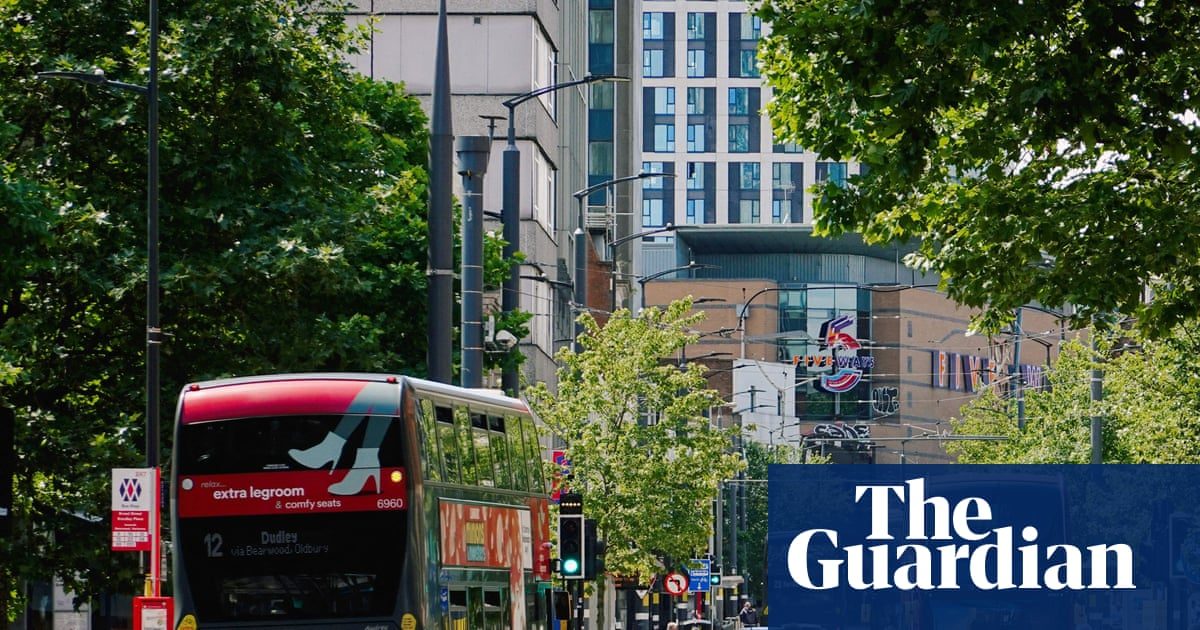
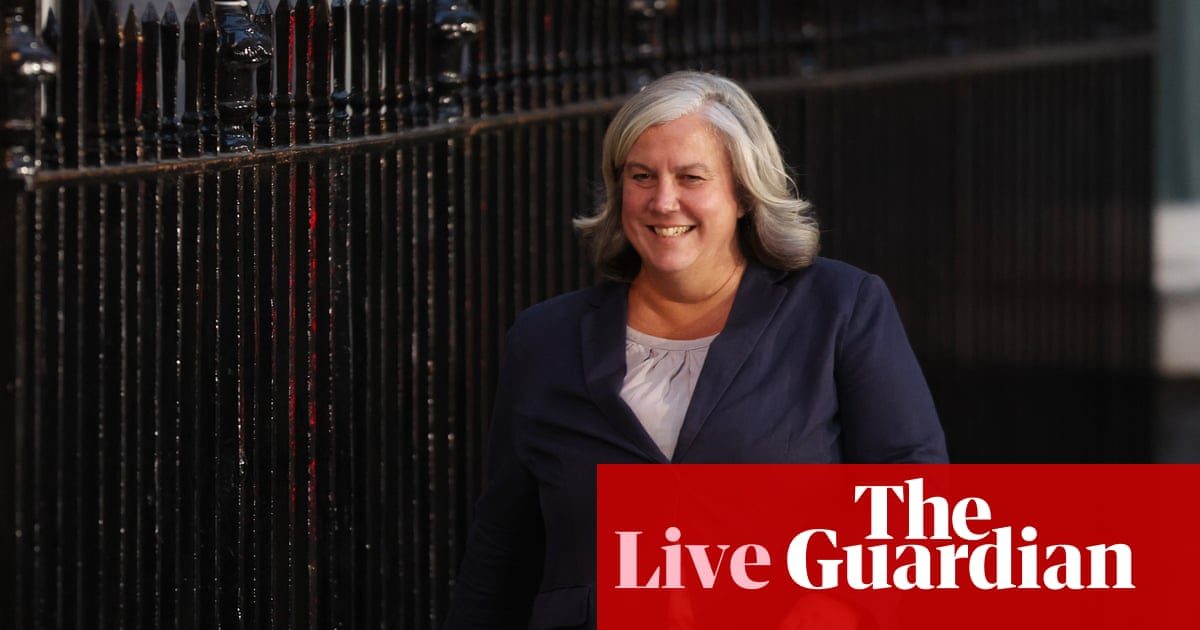
The UK government will cap single bus fares in England from January, funding the £454m policy largely by converting international climate finance grants into loans. Transport secretary Heidi Alexander said she was “100% sure” the measure was fully funded, dismissing criticism from within her own party.
Around £400m of the funding will be generated by switching international climate investments from grants to loans that must be repaid, diverting money previously earmarked for third-country climate projects. The remainder comes from savings in the Department for Energy Security and Net Zero. However, Alexander told Sky News the specific terms of these loans “will need to be worked out”, adding she was not sure if developing countries would have to pay interest.
The fare cap follows an announcement that value-added tax on household electricity bills will be cut from 1 October. The government claims this is paid for by cancelling a digital ID scheme, but former cabinet minister Darren Jones warned the policy was “unfunded”.
Jones, who was recently sacked as the Duchy of Lancaster, stated the government “will have to set out how it will pay for its new policies at the budget”. Alexander criticised his intervention, saying she was “not sure it was either the most timely or wise tweet that Darren has ever put out”.
The fiscal arithmetic has also drawn fire from the opposition. Conservative shadow chancellor Mel Stride said there were no savings to be made from scrapping the digital ID scheme because “it was never funded in the first place”. He challenged the government to answer: “Where is the money coming from?”
Downing Street has acknowledged that while the electricity tax cut is funded for the next financial year, money for subsequent years will have to be found from existing departmental budgets. For investors, this signals that future spending cuts are likely. The government has also ruled out using defence bonds to cover an expected uplift in military spending, an issue that led the new chancellor to resign as defence secretary last month.
The new spending pledges arrive as inflation eases. The consumer prices index fell more than economists forecast, dropping from 2.8% in May to 2.7% amid falling fuel, food, and clothing prices. ONS chief economist Grant Fitzner noted that food prices fell due to cheaper chocolate, margarine, and beef, while summer sales brought larger clothing discounts than a year ago.
However, analysts warn this inflationary reprieve is likely temporary. Escalating hostilities in the Middle East have already pushed Brent crude back above $90 a barrel this week, threatening to reverse recent declines in raw material and factory gate costs.