Germany overhauls heat pump grants, favouring low incomes and EU makers
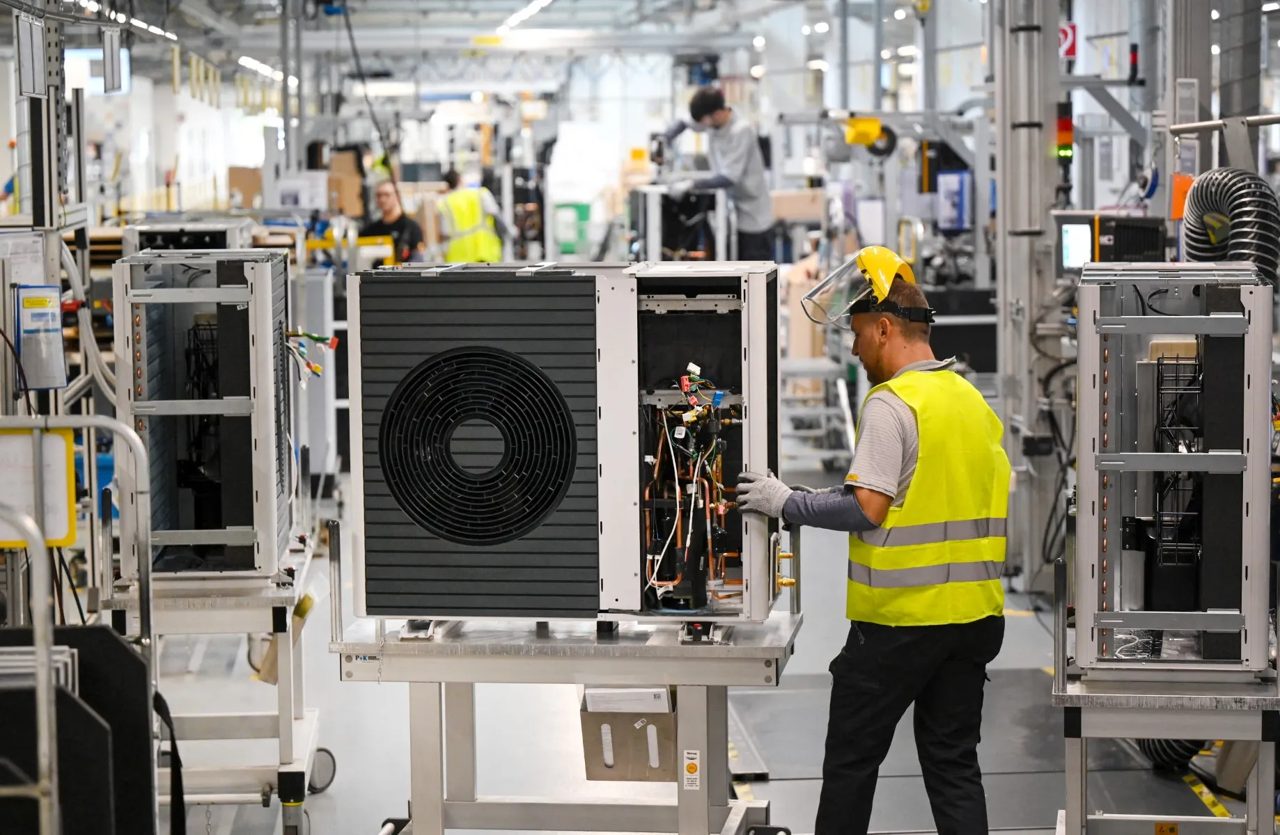
Germany has replaced universal heat pump subsidies with means-tested grants and will soon penalise non-EU manufacturers, reshaping the country's green transition market.
Germany has fundamentally restructured its state support for heating systems. Under an overhaul of the Federal Funding for Efficient Buildings (BEG) programme that took effect on July 21st, the government is phasing out universal subsidies in favour of means-tested grants. Simultaneously, Berlin is preparing to explicitly favour European manufacturing over foreign imports.
The immediate consequence is a sharp redistribution of state funding away from wealthier households. While the KfW, the state-owned Frankfurt bank, has lowered the maximum eligible installation costs from €30,000 to €28,000, it has introduced strict income-based bonuses. A basic 30 percent subsidy remains available to all, but additional support is now tied directly to taxable household income.
Households earning above €50,000 receive no income bonus, meaning a high-earning single person can now expect around €12,900 in state support. Conversely, lower-income households can secure up to 80 percent of eligible costs through tiered bonuses: 40 percent for incomes up to €30,000, 30 percent up to €40,000, and 10 percent up to €50,000. Furthermore, a €10,000 allowance for households with children effectively lowers their assessed income, meaning a family earning €40,000 could receive up to €22,400 for an installation completed before February 2027.
A shift in the supply chain
For European manufacturers and investors, the more significant policy shift is set for 2027. During the first quarter of next year, the KfW will introduce a new value-added bonus specifically for heat pumps manufactured within the EU. This mechanism is designed to keep overall subsidy levels stable for domestic and European producers.
Non-EU heat pumps will not receive this bonus and will instead face a direct reduction in their basic subsidy. This represents a clear industrial policy pivot, likely to disrupt the market share of non-European manufacturers who have competed heavily on price in Germany.
The overall funding pool is also shrinking over time. From February 1, 2027, the maximum available funding will decrease by €750 every six months. An early-adoption climate speed bonus, currently set at 16 percent, will begin to taper by four percentage points every six months from that same date.
Despite the reduced state aid and administrative hurdles, homeowners must still finance installations upfront before claiming reimbursement, the underlying economic incentive remains. Rising energy costs are expected to keep ageing oil and gas systems increasingly expensive to run, ensuring continued demand for green alternatives even as government support scales back.