Wisconsin demands $7bn collateral for Oracle AI data centre
A clash over a $7 billion power guarantee for Oracle's new AI data centre highlights the growing financial friction between tech giants and energy regulators as the artificial intelligence build-out scales up.
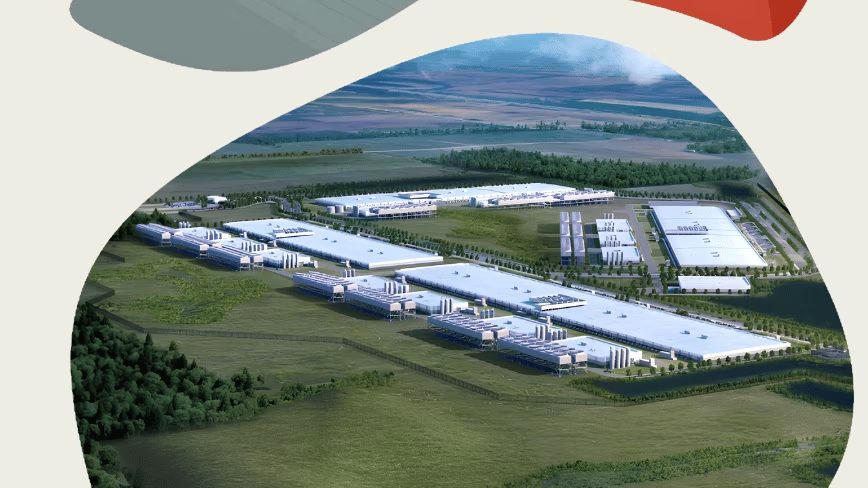
Oracle has hit a regulatory wall in Wisconsin that could force it to post a letter of credit exceeding $7 billion just to power its new artificial intelligence data centre. The requirement, revealed in a sworn company affidavit, applies to the nearly one-gigawatt Lighthouse Campus, a $15 billion joint venture with Vantage and OpenAI. Oracle warned that simply maintaining this credit could cost more than $100 million annually.
The state’s Public Service Commission tightened its rules in May specifically to handle massive computing projects. Regulators stripped utilities of their ability to waive guarantees and set an exemption threshold at an A-/A3 credit rating. The commission told the Financial Times the rule exists to protect ordinary ratepayers from being stuck with the bill if a data centre defaults after booking an entire power plant's output.
The timing of this demand is particularly poor for Oracle, which is guiding capital spending of $90 billion to $95 billion this fiscal year with a forecast free-cash-flow deficit near $42 billion. On 9 July, S&P downgraded the company to BBB-, citing heavy infrastructure spending and weaker cash flow. That rating sits squarely below the A-/A3 hurdle required to avoid the $7 billion collateral.
Underlying the regulator's caution is the precarious nature of Oracle’s AI revenue pipeline. S&P estimates that OpenAI accounts for roughly half of Oracle's $638 billion in booked future revenue. If the startup cannot pay, Oracle could be left holding empty data-centre leases—the exact scenario Wisconsin regulators are trying to prevent.
Oracle is pushing back by pointing to its sheer size and market access. The company noted in its filing that BBB-rated firms meet their obligations 99.87% of the time, highlighting its status as one of the world's 20 largest companies with roughly $600 billion in equity. It also pointed out that it raised $30 billion in a single day this year, offering a compromise to post 10 percent of the guarantee in cash and cover the rest with a parent guaranty.
This localized dispute carries significant implications for the global AI supply chain. Oracle has even appealed to national security, arguing that red tape is handing an advantage to China in the AI race. Across Europe and the US, the core question is now the same: as AI facilities demand power plant-scale electricity, will regulators succeed in forcing tech companies to shoulder the default risk, or will the collateral requirements simply push the next wave of data centres to more lenient jurisdictions?