Louvre reopens Apollo Gallery following 88 million euro crown jewel theft
The Paris institution has restored its 17th-century Apollo Gallery to its original state following a daylight robbery that exposed severe security failures, forced a leadership change, and highlighted the financial risks of protecting Europe's cultural heritage.
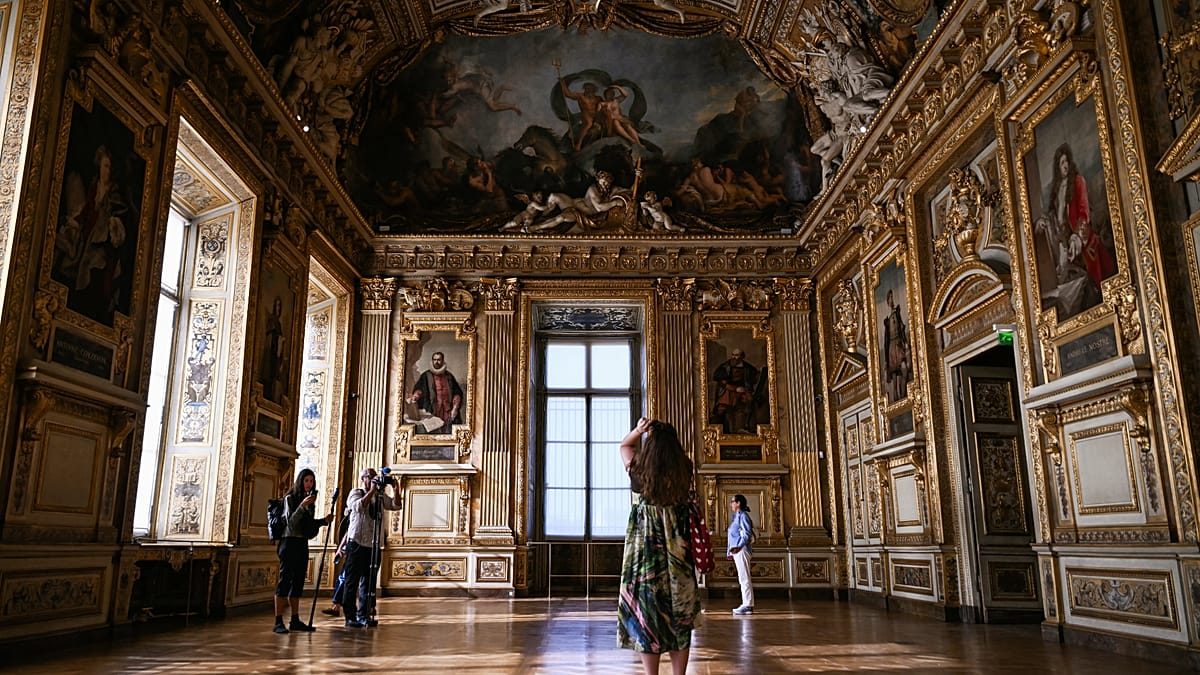
The Louvre Museum in Paris has reopened its Apollo Gallery to the public following a spectacular daylight burglary in October 2025. The 17th-century ceremonial space has been stripped of its display cases and returned to its original function as a state gallery.
The robbery occurred when a four-man commando unit used a lorry-mounted lifting platform to breach the room in broad daylight. The thieves made off with eight French Crown Jewels in an estimated haul of 88 million euros. The stolen items have still not been recovered.
For Europe’s cultural institutions, the heist exposed serious security flaws at the world's most visited museum. The event highlights the ongoing challenge of securing historic buildings against modern, mechanized theft. The resulting institutional scrutiny directly led to the departure of the museum's then president, Laurence des Cars.
The operational fallout continues to shape the museum's strategy. Museum director Christophe Leribault confirmed that the jewels which were not stolen in the heist will soon be displayed in another room. This transition moves the remaining assets away from the open layout of the original gallery.
This new exhibition space will be designed as a windowless strongroom. Relocating the remaining collection requires specialized infrastructure to prevent future breaches. It also signals a permanent change in how the institution balances public access with the physical protection of its assets.
The absence of the 88 million euros in missing jewels from the Apollo Gallery serves as a stark reminder of the heist's scale. The continued absence of the haul means the financial loss remains entirely unresolved for the museum. Visitors walking through the restored gallery will now do so without the historic treasures that once defined the space.