UK defence spending eyed as growth engine under new Labour leadership
The UK's new defence secretary has framed a planned multi-billion-pound military spending increase as a core economic growth strategy, signalling a historic shift in Labour priorities with major implications for the European defence sector.
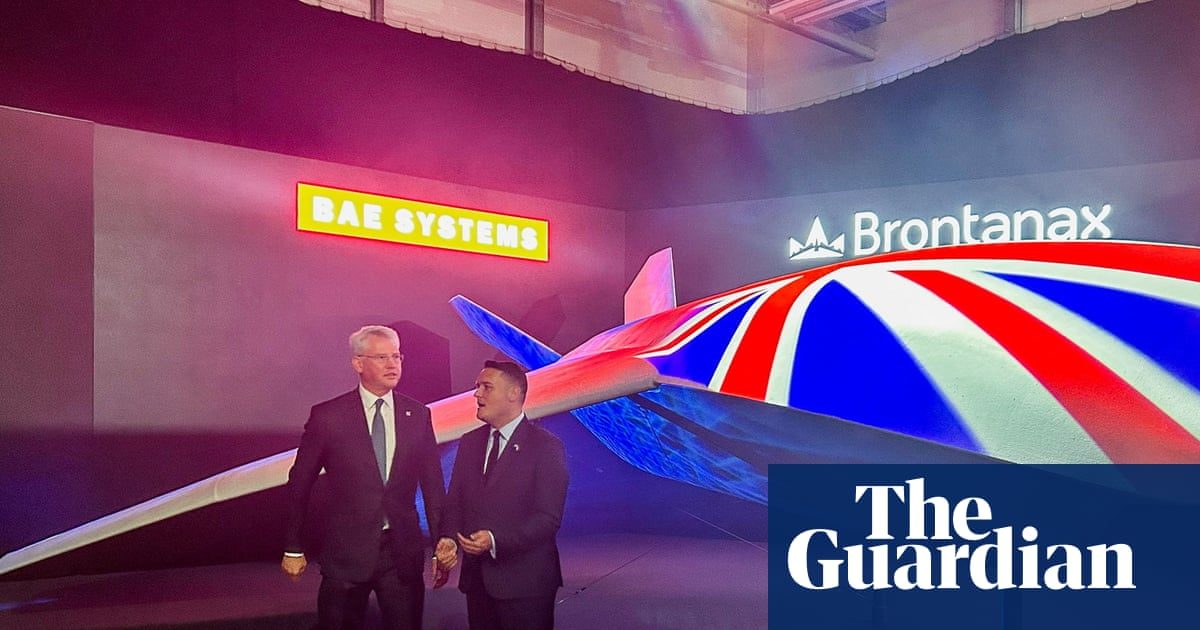
Wes Streeting used his first major speech at the Farnborough airshow to promise the arms industry "clarity and confidence" following a political crisis that toppled the previous prime minister. The new defence secretary explicitly linked increased military expenditure to economic reindustrialisation, marking a sharp departure from traditional Labour priorities.
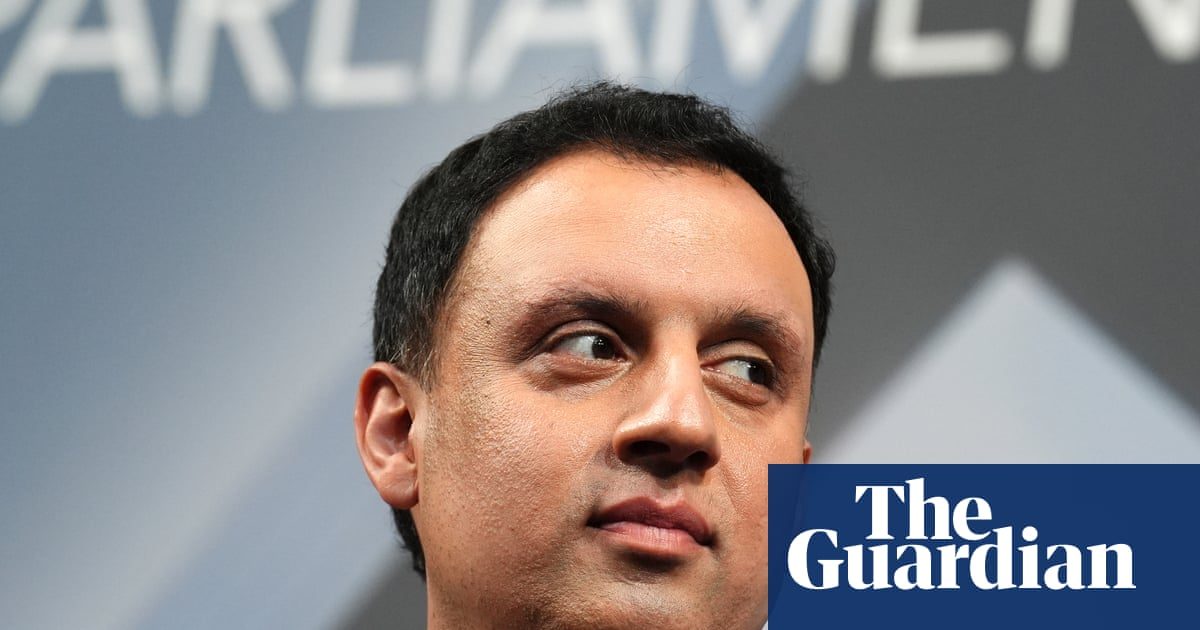
Prime Minister Andy Burnham has committed to lifting UK defence spending from 2.6% to 3.5% of GDP by 2035, a real-terms increase exceeding £25bn. To achieve this, Streeting acknowledged an "opportunity cost across government", indicating that the Ministry of Defence will secure funding at the expense of departments like health and education.
This pivot is reinforced by the appointment of John Healey as chancellor. Healey resigned as defence secretary under Keir Starmer last month after demanding a credible trajectory to a 3% GDP target by 2030, a figure Starmer was only willing to raise to 2.7%. His move to the Treasury suggests strong alignment between No 10 and the MoD to rebalance the economy toward defence.
At Farnborough, Streeting unveiled a £15m prototype "loyal wingman" drone built by BAE Systems in Lancashire. Designed to fly alongside Typhoon fighters for reconnaissance, the aircraft serves as the centrepiece of the government's argument that military procurement can drive regional job creation.
Economists and thinktanks have pushed back against this logic. One study warned that infrastructure cuts to fund defence plans could eliminate 10,000 UK jobs, while another concluded that health spending generates more growth per pound than military investment.
The spending drive responds to Russian aggression, concerns over China, and sustained pressure from the US on European Nato members to shoulder more of the security burden. UK defence spending last hit the 3.5% mark in the early 1990s following the Cold War.
Streeting also used the platform to criticise Israel, stating it had "fallen short" in Gaza and the West Bank. He confirmed he stands by a July 2025 message in which he accused Israel of "committing war crimes before our eyes", while reiterating its right to self-defence.
Despite the aggressive rhetoric, the new government is avoiding immediate fiscal commitments. Streeting, Burnham, and Healey have all declined to confirm whether they will adopt Healey's previous demand to hit 3% by 2030, promising only to honour the broader 2035 pledge.