DNA Confirms Remains Found in Grand Canyon Belong to Hiker Missing Since 2012
The identification of a veteran hiker’s remains more than a decade after his disappearance underscores the persistent challenges of wilderness search operations and the role of forensic advances in resolving long-standing missing persons cases.
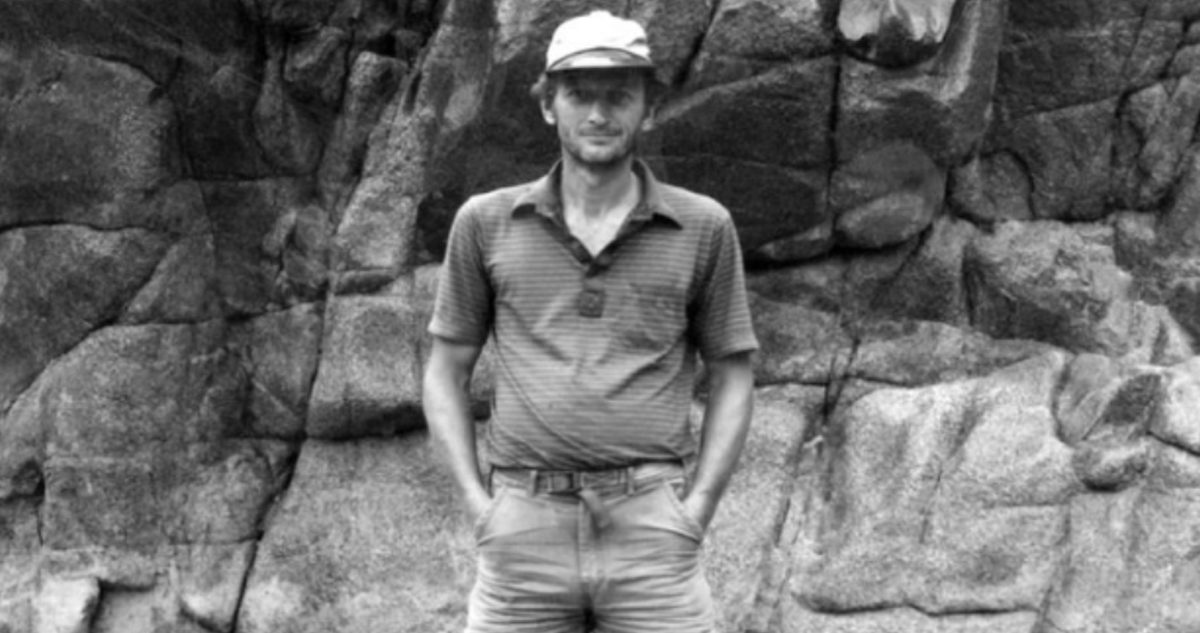
Authorities have positively identified human remains discovered in the Grand Canyon as those of Bill Ott, an experienced hiker who vanished during a solo expedition in 2012. The July 2026 DNA confirmation closes a 14-year mystery that previously exhausted extensive public search resources.
Ott, a 65-year-old Oregon resident and former river guide, set out on April 5, 2012, for a three-week solo hike on the Hualapai Indian Reservation. He was seeking ancient rock panels to photograph and digitally recreate, a painstaking passion he pursued alongside an off-grid lifestyle. An experienced expedition hiker, Ott had previously spent 78 days walking the length of the Grand Canyon in 1981 and later sold most possessions to live in a self-built cabin in Cave Junction, Oregon.
When Ott failed to return by his planned April 28 date, concerns grew, though delays were not entirely unusual given his history of self-rescue on prior hikes. By May 10, 2012, he was officially reported missing, triggering a large multi-agency search involving the National Park Service and the Arizona Department of Public Safety. Scott Thybony, a Flagstaff anthropologist who knew Ott and advised him on the route, participated in these initial arduous search efforts.
The Coconino County Sheriff’s Office noted in a July 2026 statement that these initial endeavors failed to locate him. The terrain in areas like Mohawk Canyon is notoriously difficult, featuring steep walls up to 6,000 feet deep and spanning up to 18 miles wide. This extreme geography complicated both ground and helicopter operations, while wild horses had trampled much of the ground, obscuring potential tracks.
The breakthrough occurred in December 2025 when remains and personal belongings were discovered in a Pinjon-Juniper Pines area on the reservation. The site was located near a 15-foot cliff, remarkably close to where search parties had come within 100 yards of his final resting place over a decade ago.
While a lighter daypack containing his wallet, money, camera, and GPS was recovered, his main backpack remains missing. Authorities have not released a cause of death, leaving the exact circumstances of his final days unclear.
For communities and law enforcement, this resolution illustrates the prolonged timeline of wilderness missing persons cases. It highlights how modern forensic DNA analysis can finally provide closure to families and conclude open investigations that have strained public safety resources for over a decade.