Ex-Southern Water CEO charged over wastewater test fraud
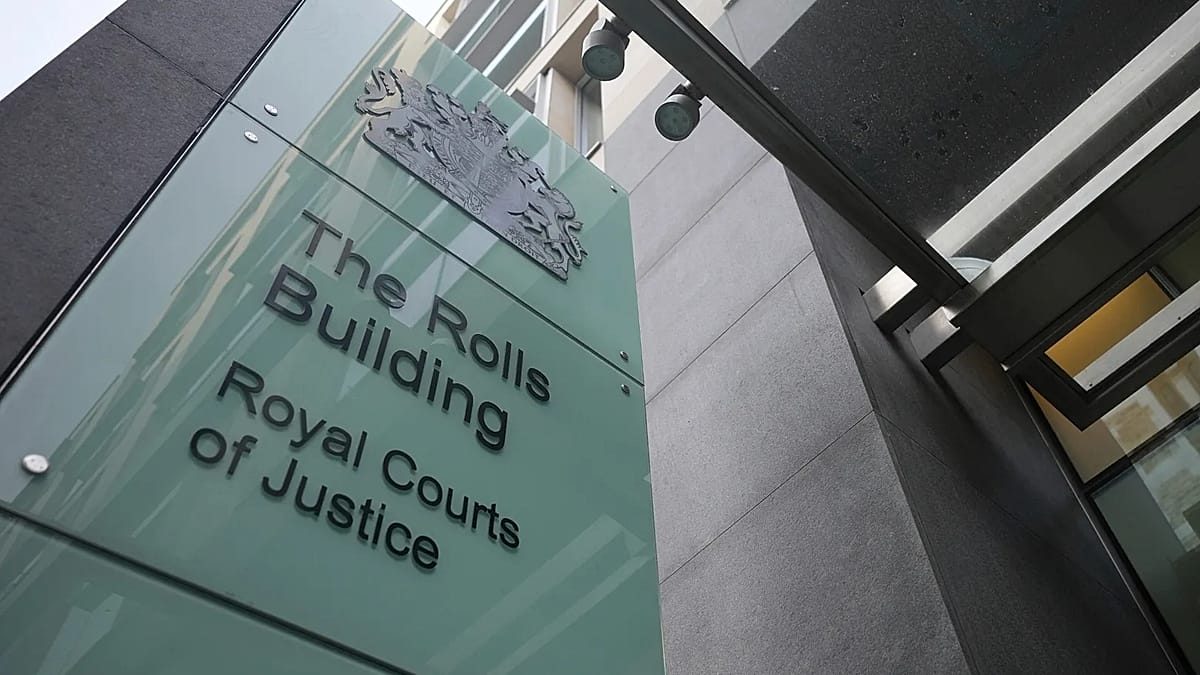
Criminal charges against a former water utility CEO for allegedly manipulating pollution tests mark a new peak in the UK's regulatory crackdown on the sector.
Matthew Wright, the former chief executive of Southern Water, has been charged with conspiring to defraud regulators by manipulating wastewater quality tests. The charges, made public on Wednesday, follow a High Court ruling that rejected a bid by Wright and three co-defendants to block the prosecution.
Prosecutors allege the conspiracy ran from 2012 to 2017. During this period, the Environment Agency claims that former employees deliberately ensured there was no wastewater flowing through treatment sites when they believed a mandatory regulatory test might fail.
By temporarily halting flows, the company allegedly submitted artificially clean samples to the Environment Agency and water regulator Ofwat. Southern Water supplies water and wastewater services to millions of people across southern England.
The company is also facing separate charges for breaching environmental permits linked to these same allegations. In his written ruling, Judge Andrew Popplewell stated that the case involved "carefully planned and extensive fraud and dishonesty at a high level."
He noted that Wright faced "very serious allegations of criminal misconduct." Under UK law, intentionally altering wastewater flows during regulatory sampling is a criminal offence that carries a maximum prison sentence of 10 years.
For European investors and utility executives, the prosecution marks a significant escalation in personal liability for environmental compliance. Utilities are heavily regulated, capital-intensive businesses that rely on investor confidence to maintain and upgrade infrastructure.
When executives are accused of engineering compliance rather than achieving it, the resulting scandal damages the social contract that grants these companies regional monopolies. The Environment Agency described the High Court's decision to allow the prosecution to proceed as a "significant judgment."
It signals a clear shift in enforcement strategy. Rather than relying solely on corporate fines that can simply be passed on to consumers through higher bills, regulators are now targeting the individuals who preside over systemic failures.
This legal action does not exist in a vacuum. The UK government is currently tightening its oversight of the entire water sector following years of intense public outrage over sewage pollution in rivers and coastal waters.
The Southern Water case serves as a warning to the broader European infrastructure sector. As environmental standards tighten across the continent, regulators are demonstrating a willingness to use criminal law to enforce compliance. For companies operating vital environmental infrastructure, the cost of failing to invest in genuine compliance now extends far beyond the balance sheet.