US threatens sanctions in Chinese AI intellectual property row
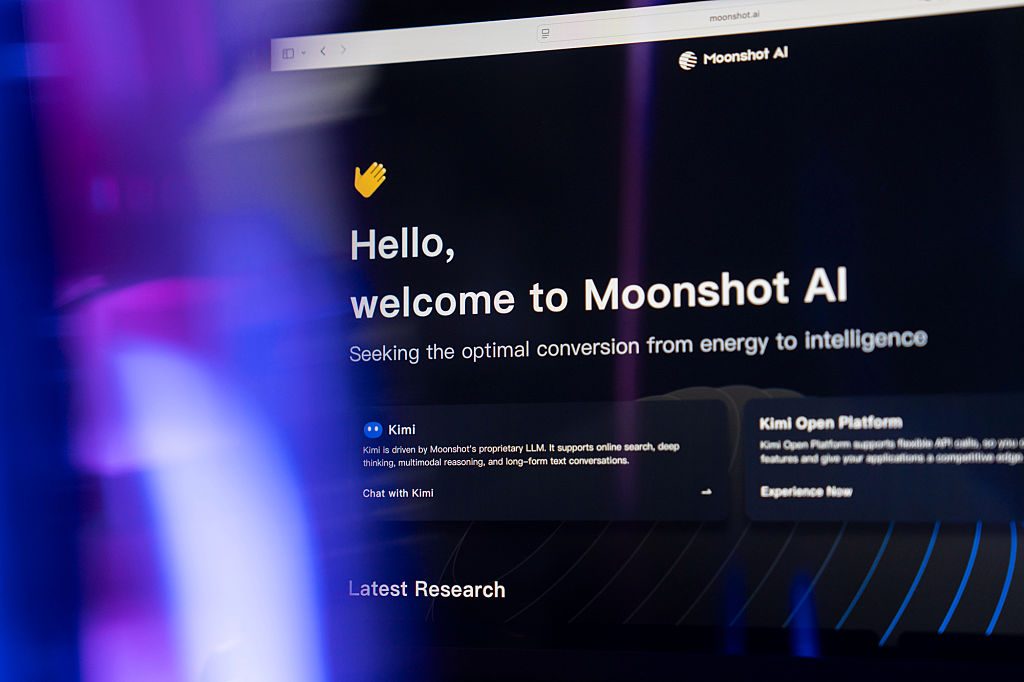
Washington is threatening sanctions against Chinese AI firm Moonshot over allegations it stole intellectual property, a move that risks fracturing the global open-source AI ecosystem European developers rely on.
US Treasury Secretary Scott Bessent warned on Wednesday that sanctions and Entity List designations are being considered for Chinese AI companies. The threat followed direct accusations from White House science and technology policy chief Michael Kratsios that China-based Moonshot improperly distilled Anthropic’s Fable model.
Model distillation is a common training technique where a smaller AI learns from the outputs of a larger one. While the practice is widely used for legitimate optimization, it can also cross the line into intellectual property infringement. Kratsios further alleged that Moonshot acquired and accessed Nvidia’s GB300 servers in Thailand, raising serious questions about violations of US export control rules, as the Blackwell-generation chips are banned from sale to Chinese firms.
“Open source is not open season on American IP,” Bessent posted on X. He clarified that when Chinese firms conduct “covert, industrial-scale distillation attacks,” Washington is prepared to impose severe trade restrictions. Earlier in the week, Bessent stated the government would actively examine Chinese open-source models for signs of intellectual property theft.
Implications for the global AI market
The dispute centres on Moonshot’s K3 model, which the company released last week as an open-weight model. Its advanced capabilities have disrupted market assumptions, casting doubt on whether leading US AI labs can continue to justify the enormous capital requirements underpinning the frontier AI race. However, some technical experts dispute the White House narrative, noting that Fable has only been publicly available since July 1, making it highly unlikely K3 was developed primarily through distilling it.
Despite these technical doubts, the episode has intensified a push in Washington to restrict the influx of Chinese open models. Dean Ball, a former White House AI advisor who now serves as OpenAI’s Head of Strategic Futures, has publicly argued that the US should restrict or effectively ban Chinese open-weight models to mitigate national security risks.
For European technology companies and investors, this escalation presents a complex strategic risk. A US-led crackdown on Chinese open-source AI would force European developers to navigate an increasingly fragmented global technology landscape. It threatens to cut off access to highly capable, low-cost models precisely as European firms are attempting to scale their own AI sectors and reduce their reliance on American tech giants.