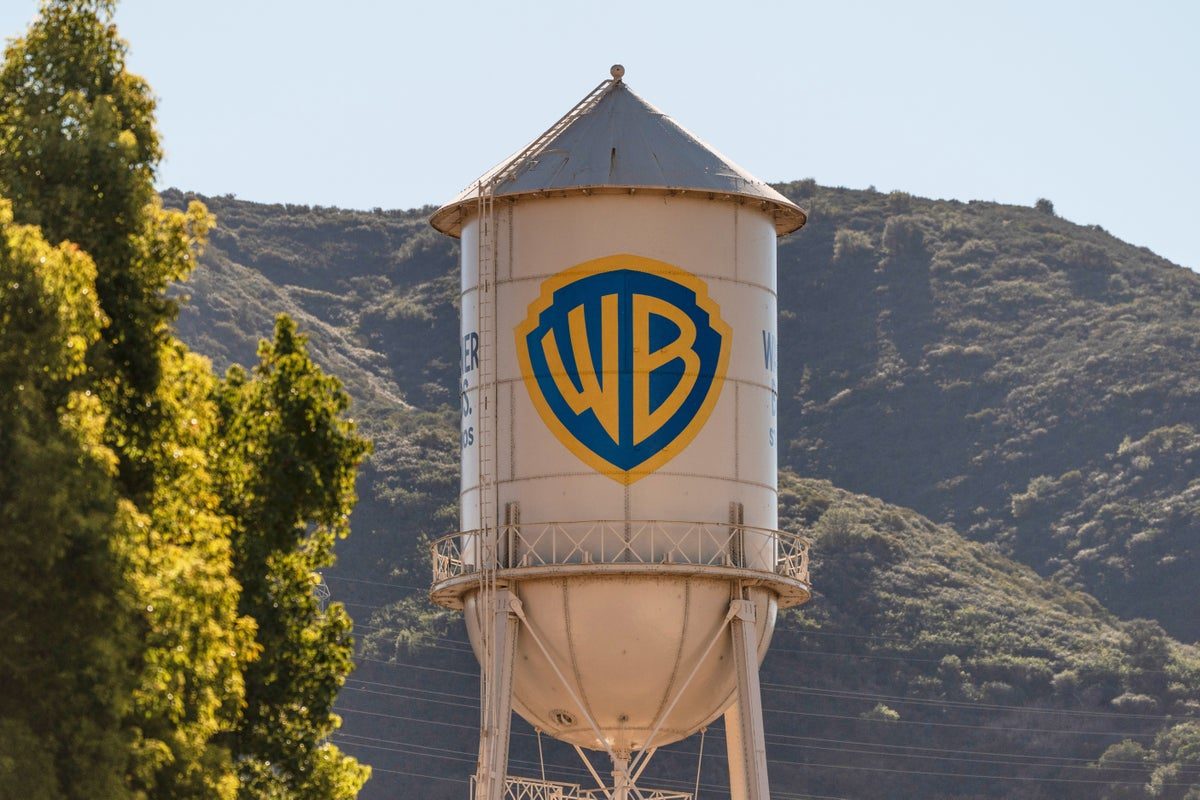
Paramount secures EU approval for Warner takeover with conditions
The European Union has cleared Paramount’s $81 billion takeover of Warner Bros. Discovery, but a US legal block threatens to derail the deal before a costly September deadline.
The European Commission has granted conditional approval to Paramount’s $81 billion acquisition of Warner Bros. Discovery, removing a major hurdle for a transaction that would create a transatlantic media powerhouse. To secure the greenlight, Skydance-owned Paramount agreed to divest its European Economic Area stake in United International Pictures, its joint theatrical distribution venture with Universal.
Brussels concluded that the combined entity would not stifle competition in film production or streaming across the bloc. However, the Commission warned that merging the two studios' theatrical distribution arms would create excessive concentration, risking "worse rental and distribution terms for cinema operators, ultimately disadvantaging consumers." Paramount must unwind its Universal partnership within 13 months of closing and is prohibited from forming a new one for a decade.
Paramount welcomed the decision, calling it “a major milestone” and arguing the combined scale is necessary to compete “with the tech companies that have come to dominate the industry.” The merger would unite major franchises like “Harry Potter” and “Top Gun” under one roof, alongside the HBO Max and Paramount+ streaming platforms.
For European audiences, the tie-up would consolidate significant broadcast assets, notably Warner’s TVN Group in Poland alongside localized Paramount channels like MTV and Nickelodeon. Additionally, European regulators have effectively cleared the billions of dollars in financial backing Paramount secured from three Gulf states: Saudi Arabia, Qatar and the United Arab Emirates. Paramount maintains these sovereign funds will hold no voting rights, though the arrangement continues to draw criticism over potential influence.
US roadblock tests the timeline
Despite the European blessing, the deal faces a severe complication across the Atlantic. A US federal judge has paused the transaction for at least two weeks following a lawsuit from California and 11 other states aiming to block the merger entirely. The judge noted the states presented a strong case that the tie-up would "substantially lessen competition" in Hollywood, adding the deal would be "difficult, if not impossible, to unwind" once completed.
This legal challenge stands in stark contrast to the Trump administration’s Justice Department, which stated the merger would bring "benefits for American consumers and workers.” Paramount called the states' claims meritless, arguing the EU's findings "directly refute" the US lawsuit. The company is now racing against a Sept. 30 deadline, after which it must pay Warner shareholders a "ticking fee" of roughly $7 million per day on the $111 billion transaction, including debt.
Elsewhere, Paramount has secured clearances from Australia, China and Canada, but the UK remains a wild card. British regulators have separately suggested they may intervene in the deal, adding another layer of uncertainty to the closing timeline.