Heat, not rain, now drives Europe's droughts as harvests and rivers fail
A new scientific study finds extreme evaporation from rising temperatures has replaced low rainfall as the primary cause of European droughts, threatening food prices, energy production and shipping routes.
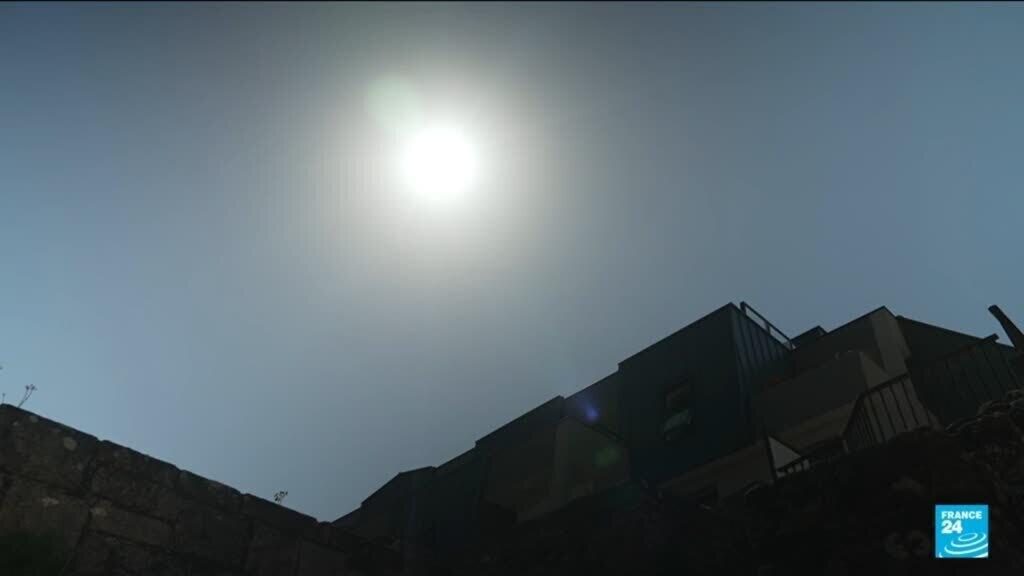
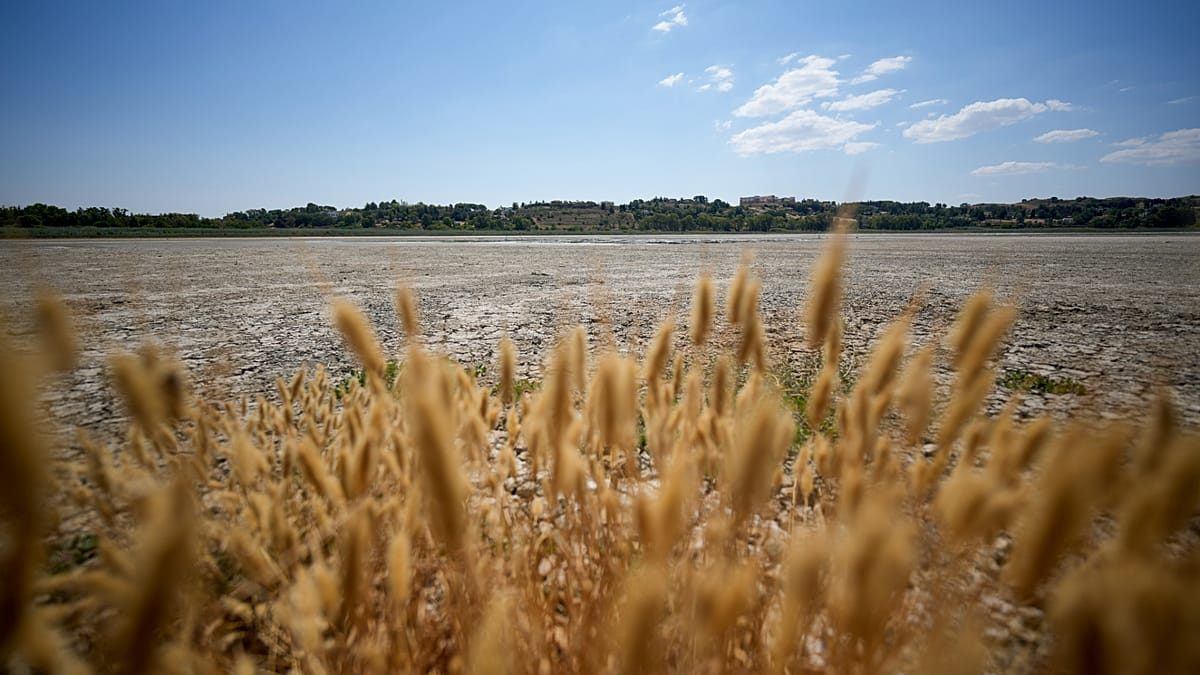
Scientists from 12 European countries have concluded that record-breaking summer heat, rather than a shortage of rain, is now the primary engine of drought across the continent. Research by World Weather Attribution found that soaring temperatures are supercharging evaporation, pulling moisture out of the soil faster than it can be replaced. This shift is already disrupting European supply chains, agriculture and energy grids.
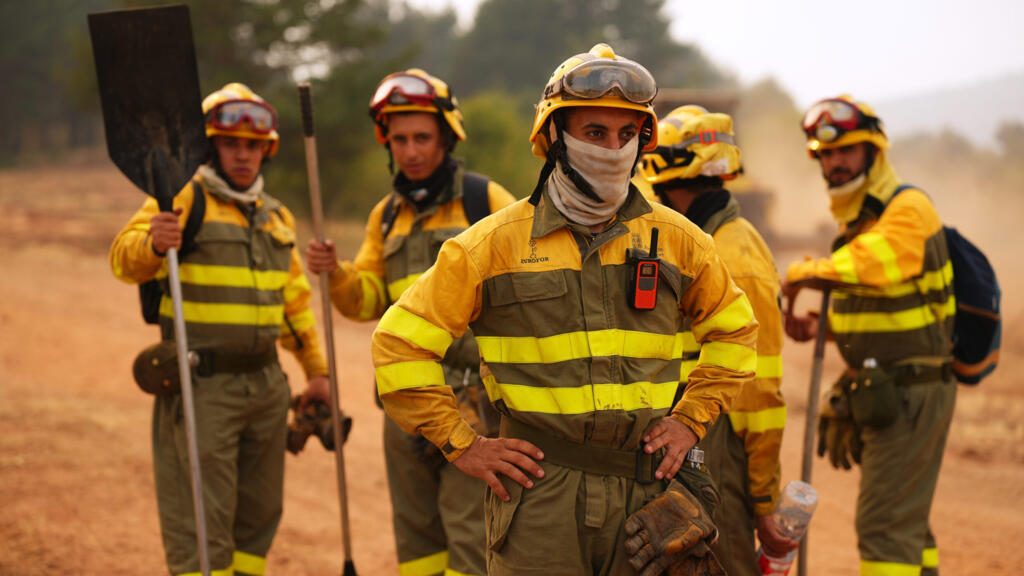
France is bracing for its worst maize harvest in half a century, while Romania has reported crop losses exceeding one million hectares. Water levels in major rivers have dropped so severely that commercial shipping lanes are being interrupted and energy production is under strain. These physical disruptions threaten to push up the cost of essential goods.
The study highlights a stark difference in how droughts now form. While long-term rainfall patterns remain mixed, the sheer heat of the atmosphere is turning what would historically have been manageable dry spells into severe crises. In Western Europe, agricultural soil droughts are now five times more likely due to climate change, rising to eleven times more likely in Eastern Europe, which has endured dry conditions for six months.
Dr Dominik Schumacher of ETH Zurich noted that despite increased winter rainfall across most of the continent, unusual soil drying is beginning earlier in the year. "This fundamentally changes how European droughts form – less and less through missing rain, and more and more through warmer air that prevents the rain from staying in the ground," he said.
The economic fallout extends well beyond agriculture. Low river levels restrict the transport of goods and limit cooling capacity for power plants, compounding inflationary pressures. Merel Laauwen of Wageningen University & Research warned that the burden falls disproportionately on those least equipped to absorb it. "This isn’t just a crisis for farmers, it’s a crisis that trickles down to Europe’s most vulnerable," she said, adding that inconsistent preparedness persists because the EU does not mandate drought management plans.
The trajectory for European infrastructure and commodities depends heavily on the pace of emissions reductions. Dr Mariam Zachariah of Imperial College London pointed out that these severe drought conditions are occurring at just 1.4°C of global warming. If temperatures reach the predicted 2.8°C, the probability of such intense evaporative conditions could double, making these droughts a regular fixture. Simon Stiell, executive secretary of UN Climate Change, called the situation an "unignorable red alert that our planet is overheating," urging a faster transition to renewable energy to shield economies from further damage.