UK PM Burnham pivots to influencer-led press strategy
The new British prime minister is replacing traditional media scrutiny with a digital strategy built on unpaid collaborations with internet creators, signalling a profound shift in how European governments communicate.
Andy Burnham has entered Downing Street with a deliberate plan to bypass traditional media in favour of social media creators. A Downing Street source described the approach as "more social first" and "authentic to Andy", abandoning the polished productions of previous premiers for casual, handheld phone videos on TikTok, Instagram and X.
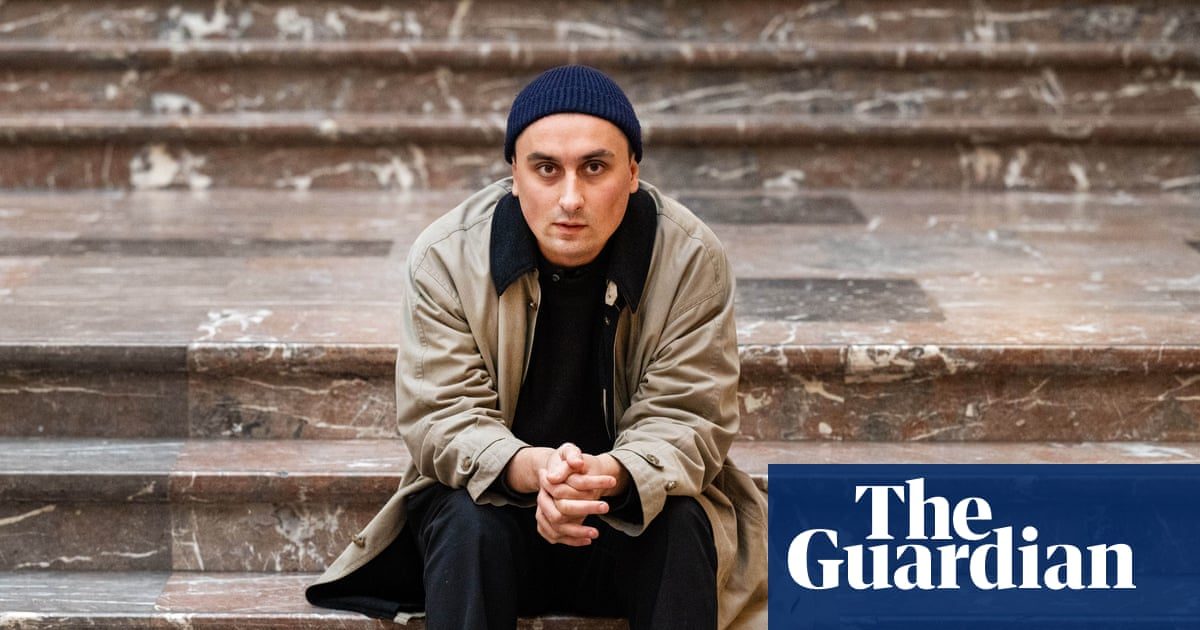
The strategy relies on leveraging the massive audiences of internet personalities to reach voters who do not consume traditional news. On his first day as prime minister, Burnham posted a running video with athlete Sir Mo Farah to reach his three million followers. He also collaborated with Max Klymenko, a Ukrainian creator with a cumulative following of over 16.3 million accounts, whose core audience sits squarely in the 18 to 30 age bracket.
For European observers, the move represents an escalation in the ongoing disconnect between governments and traditional broadcast media. While critics argue this is a way of avoiding serious scrutiny of policies in favour of "softball questions from non-specialists", Burnham's team counters that "the vast majority" of the public never sees official government social media content anyway. Klymenko confirmed no payment or editorial control was requested by Burnham's team prior to posting.
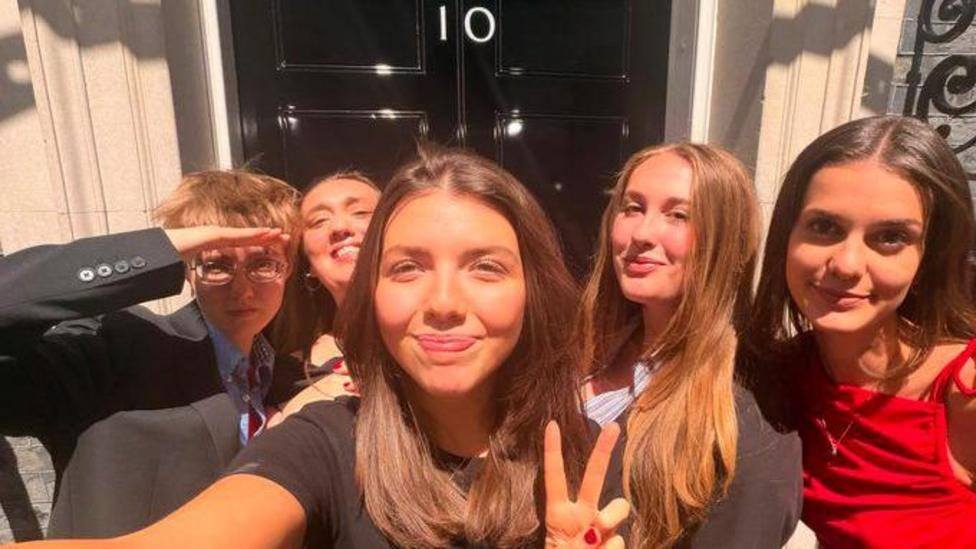
Beyond established influencers, the strategy actively weaponizes grassroots teenage activists. Five teenage TikTokers—Will, Lottie, Megan Cassidy, Ellen and Poppy, aged 17 to 19—were invited to Downing Street for his swearing-in after generating millions of likes editing his by-election campaign footage. They are unpaid and given full creative control over how they frame the prime minister for their Gen Z audience.
This digital pivot is the brainchild of Abby Tomlinson, retained by Burnham after running his by-election digital communications. Tomlinson previously founded the "Milifandom" movement for Ed Miliband and worked for Keir Starmer before leaving last year. Her appointment underscores Burnham's commitment to treating social media not as an add-on, but as the primary vehicle for government messaging.
The strategy is partly a defensive measure against digitally savvy rivals like Nigel Farage's Reform UK, which boasts an exponentially larger organic social media following. It has already drawn fire from Conservative leader Kemi Badenoch, who used Reddit to urge Burnham to "come out from hiding, face a proper press conference and submit yourself to scrutiny and some tough questions". Burnham dismissed this, pointing to the 74,000 public questions he faced in Makerfield.
As traditional newsrooms across Europe face declining trust and reach among younger demographics, Burnham's Downing Street is effectively testing a new model of state communication. By outsourcing his message to algorithm-driven platforms and unpaid creators, the British prime minister is gambling that raw reach matters more than mediated scrutiny.