Heartstopper finale arrives as LGBTQ representation falls
The conclusion of a major queer media franchise removes a rare source of positive representation just as LGBTQ+ visibility on screen shrinks and UK trans rights face increasing restrictions.
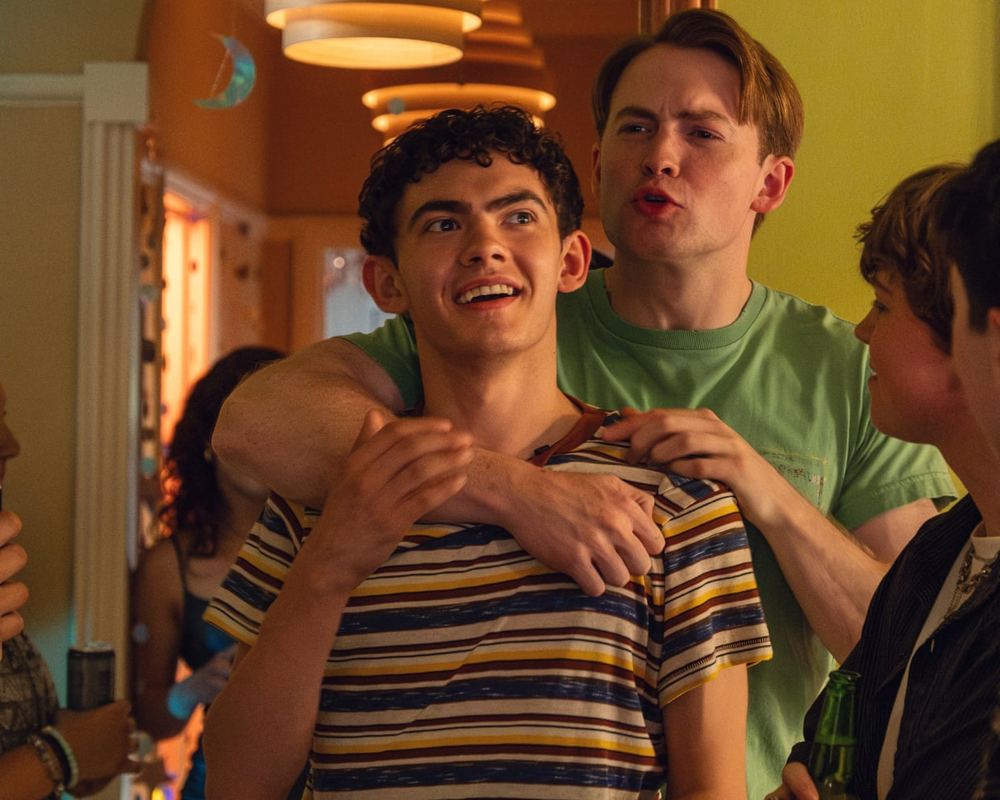
Netflix’s television adaptation of Heartstopper has concluded with a film-length finale, drawing a line under a franchise that generated tens of millions of streams. Based on Alice Oseman’s young adult graphic novels, which began as a web comic, the series turned leads Kit Connor and Joe Locke into household names and sold over 10 million books worldwide, including roughly 1.3 million in the UK.
The end of the series triggers an inevitable dispersal of its commercial and creative capital. Oseman plans to pivot to writing for adults, while Connor and Locke are headed to Hollywood. The scale of the departing platform was not lost on its stars. “It’s the biggest thing that will ever happen to any of us,” Connor said in a recent interview.
Yet the franchise’s conclusion arrives at a particularly fraught moment for LGBTQ+ representation in European and global media. According to GLAAD’s annual study, queer representation on the silver screen has declined over the last three years, following a similar downward trend in television since 2021.
This contraction in visibility is happening alongside a tangible rollback of rights. In the UK, rising hate crime and restrictive policies on transgender healthcare form a stark contrast to the acceptance depicted in the show. The finale directly addresses this reality, with a trans character referencing the ban on hormone blockers: “If I was a few years younger, I wouldn’t even have been able to take hormone blockers legally.”
Under executive producer Patrick Walters, the series maintained a political edge that belied its wholesome reputation. A third-season storyline highlighted media bait-and-switch tactics against a young trans character, while the narrative consistently tackled mental health, self-harm, and disordered eating.
Some critics argued this approach resembled an educational afterschool special rather than hard-hitting drama. However, Oseman intentionally targeted a middle ground. “It was always my intention with Heartstopper to find the middle line, the balancing point, between showing these issues in a realistic way while also keeping that tone of, like, ‘It’s going to be OK and things will work out,’” she said.
That reassurance is urgently needed. A 2024 study by The Trevor Project found that a majority of LGBTQ+ young people report symptoms of depression, anxiety, or self-harm. Meanwhile, institutional pushback is growing, with reports of schools cancelling talks by queer authors and increasing censorship in UK and US libraries.
For older queer people who grew up under Section 28, the show offered a wistful glimpse of an adolescence they were denied. For today’s youth, it provided a rare, high-profile blueprint of thriving rather than merely surviving. As mainstream media retreats from queer storytelling and political rhetoric hardens, the absence of Heartstopper will be felt far beyond its streaming numbers.