CDU leader Jens Spahn quits over US surrogacy scandal
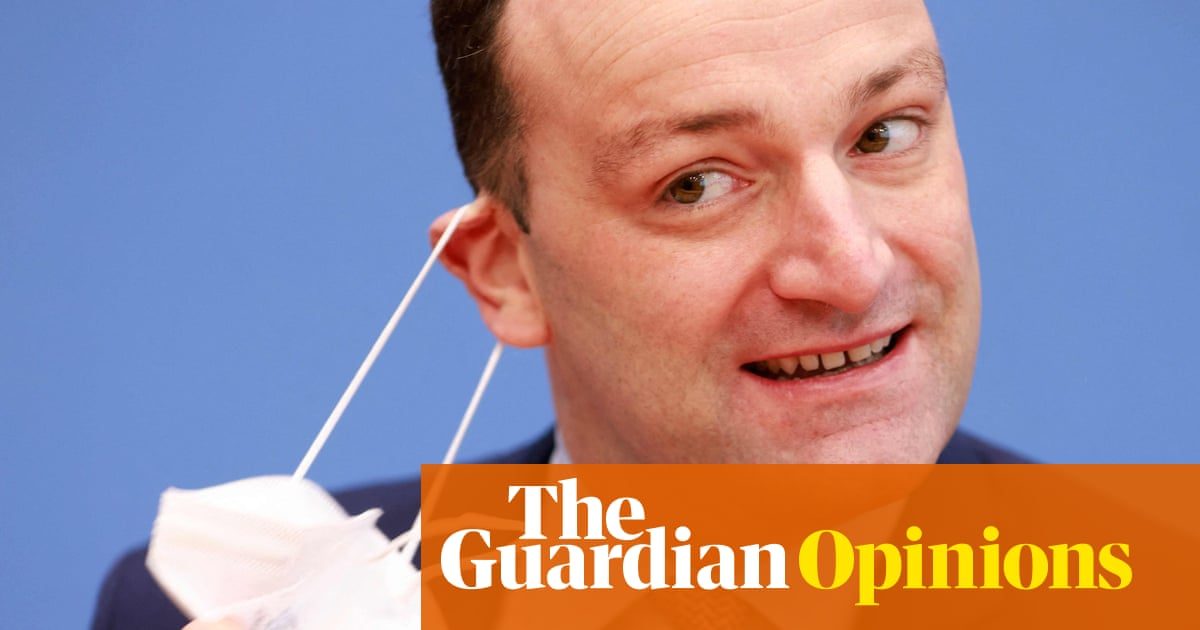
The resignation of Jens Spahn, arguably Germany’s second-most powerful politician, over an illegal surrogacy arrangement exposes deep fractures within the governing CDU ahead of critical regional elections.
Jens Spahn has resigned as the parliamentary leader of Germany’s conservative Christian Democrats (CDU) after revealing he and his husband became parents through a surrogate in the United States. The announcement abruptly ended the rise of a politician who was first elected to the Bundestag at 22 and had spent more than two decades climbing the party ranks.
Commercial surrogacy is illegal in Germany, and the CDU explicitly opposes the practice. Yet in February, Spahn sat silently as his party voted to maintain the prohibition "to prevent abuse, exploitation and health risks," despite knowing a woman in the US was carrying his child. In a subsequent podcast interview, he acknowledged the hypocrisy of his position and that most citizens could not afford the $100,000 required to bypass German law. He then stated he would vote against legalisation if the issue returned to parliament, citing the need for party discipline.
While the surrogacy revelation triggered his downfall, it was ultimately an accumulation of unresolved controversies that exhausted his party's patience. During his tenure as health minister, Spahn's ministry spent billions of euros on unusable masks purchased at inflated prices from companies with ties to the CDU. He later stated he never personally profited from the deals.
He also faced severe criticism for hosting a maskless fundraising dinner in 2020 while enforcing strict isolation rules, after which he tested positive for the virus. Attendees made donations of €9,999—just one euro below the threshold requiring public declaration. Furthermore, questions regarding how a full-time politician and his lobbyist husband secured a loan for a €4m Berlin villa were never satisfactorily answered.
The timing of Spahn's exit is particularly significant for the stability of the governing party. The CDU is currently struggling in the polls, Chancellor Friedrich Merz is deeply unpopular, and the far-right Alternative für Deutschland (AfD) holds a comfortable lead in two states ahead of September elections. It was a state-level CDU leader who first publicly demanded Spahn's resignation, and Merz, who had appeared to be losing an internal power struggle to his parliamentary leader, offered no defence.
Spahn will retain his seat in the Bundestag. Given his long history of surviving political scandals, his departure may not mark the permanent end of his influence in German public life.