Irish police intercept sophisticated bomb near Northern Ireland border

Irish police have intercepted a ready-to-use, military-grade bomb near the Northern Irish border, exposing a shift toward highly skilled, internet-radicalised individuals threatening regional stability.
Irish police intercepted a completed, military-grade bomb on a road near the Northern Irish border and arrested two suspects. Garda Síochána’s special detective unit stopped the vehicle on the N2 south of Carrickmacross, County Monaghan, on Wednesday afternoon. The device, described by Garda commissioner Justin Kelly as "extremely significant," was fully assembled and ready for deployment.
Gardaí requested the assistance of the Irish Defence Forces explosive ordnance disposal team to examine the vehicle. The bomb contained a power unit, a detonator and military-grade explosives. Security sources indicated it was likely designed as an under-car explosive intended for an attack in Northern Ireland.
Unlike the relatively crude pipe bombs previously used against police officers in the region, this device required substantial mechanical and electrical knowledge. The fact that a bomb of this nature had been built and transported to the border was described by a security source as "worrying" because of the "level of skill" involved.
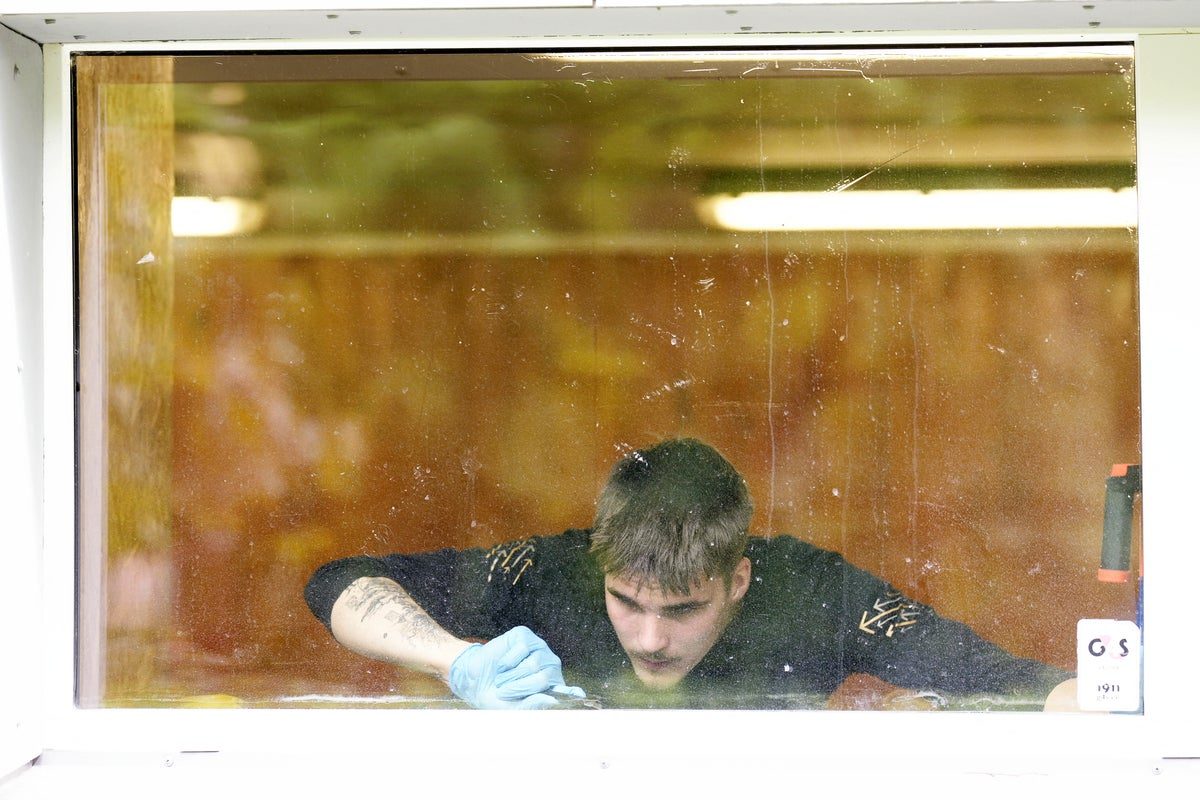
The driver, a woman in her 20s, was arrested at the scene under the Offences Against the State Act. A man in his 40s was subsequently detained at a Garda station in the Dublin area. Commissioner Kelly confirmed the operation was entirely intelligence-led, stating: "This was not a random stop."
The interception highlights an evolving security concern for European law enforcement. Kelly attributed the plot to a "small minority" of radicalised republicans who rejected the 1998 Good Friday Agreement and never decommissioned their weapons. However, security sources noted a troubling shift: the "radicalisation of individuals captured by the internet" means such complex devices can now be built by lone actors rather than traditional, organised paramilitary networks.
For the broader European public, this development carries tangible economic and social implications. A sustained return to violence would directly threaten foreign investment and the seamless cross-border supply chains that have developed since the peace deal. The 1998 agreement led to a general drawdown in counter-terror resources, raising fresh concerns about whether security infrastructure is adequately funded to monitor self-radicalised individuals building sophisticated weaponry.
Kelly credited ongoing, close cooperation with the Police Service of Northern Ireland and UK intelligence services for neutralising this specific threat. He warned, however, that this is a danger An Garda Síochána will "continue to face for some time." The device, he stressed, was not merely a collection of components but a finished bomb that could have caused "significant damage."