India targets Bitchat source code in unprecedented GitHub order
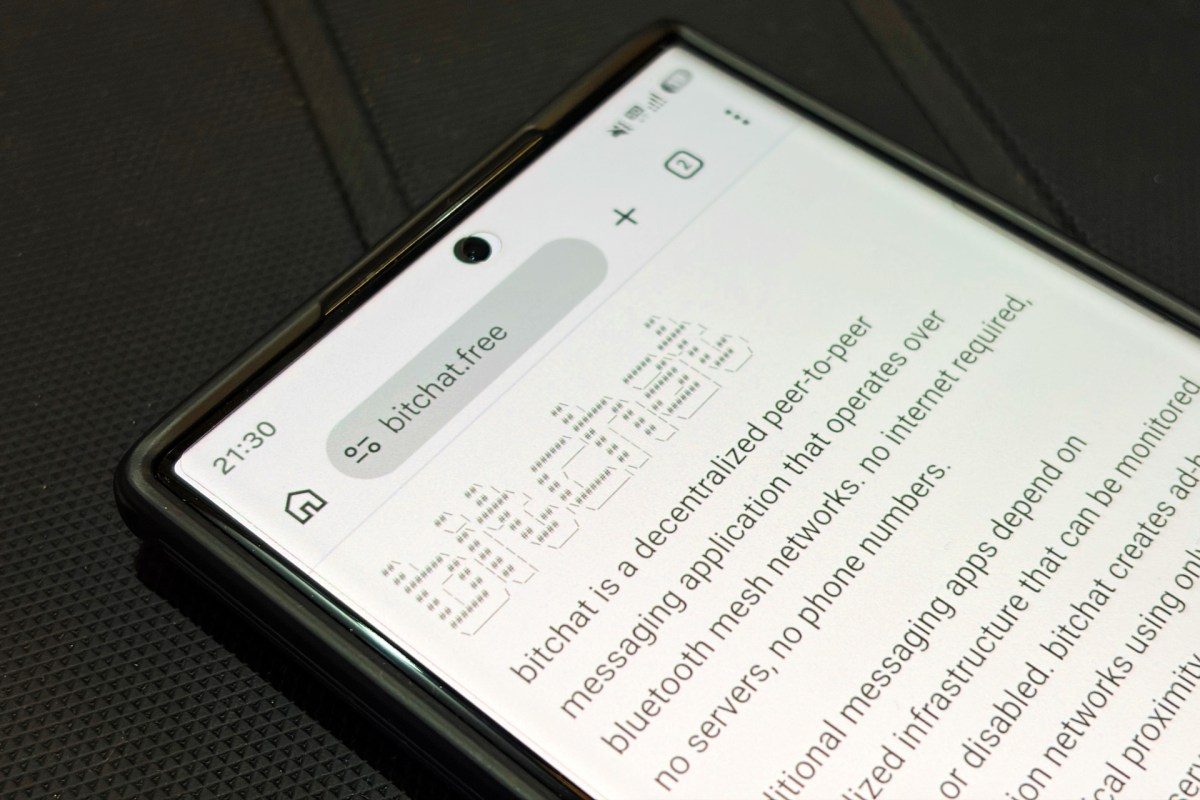
Indian authorities have issued a takedown notice targeting the open-source code of Jack Dorsey’s Bitchat messaging app, setting a new legal precedent for decentralized software and global tech platforms.
Indian authorities have ordered GitHub to restrict access to three repositories belonging to Bitchat, an offline messaging app backed by Jack Dorsey, marking a shift in how governments attempt to control digital communication.
A notice dated July 23 from the Indian Cybercrime Coordination Centre argues the app should be removed not for hosting illegal content, but because its anonymous, decentralized architecture allows communication during internet shutdowns. The move follows weeks of student-led protests in New Delhi over alleged examination paper leaks, during which authorities suspended internet services.
The restrictions appear to have driven a surge in Bitchat's popularity. According to Sensor Tower, India accounted for 85% of the app’s global downloads between July 17 and July 23, up from 1% in the previous 30 days. Downloads jumped thirty-two-fold on July 19 alone, bringing daily active users in the country to over 330,000 by Thursday.
For European tech developers and platforms, the order represents a potentially destabilizing legal precedent. Mishi Choudhary, founder of Indian digital rights group SFLC.in, noted that before 2021, India typically relied on specific content-blocking rules rather than targeting an entire software project based on its functionality.
By aiming at the app's open-source code, the government is stepping beyond traditional service provider liability. “They’re [the Indian government] not just targeting the designated service provider, but they’re trying to say that open source development of this type of product … should not occur,” said Raman Chima, global program director at the Association for Progressive Communications.
However, technical and legal experts question the effectiveness of the strategy. “The order also fails on its own terms as deleting a repository does not delete the application from any phone that carries it, and the mesh keeps functioning without servers. What the takedown actually prevents is scrutiny of the underlying code,” the Internet Freedom Foundation said.
The order places pressure on global infrastructure providers like GitHub. GitHub did not confirm receiving the notice, and the repositories remained accessible from India on Friday. “When we receive a complete government takedown request, we notify the affected account owners and give them an opportunity to appeal,” said Rose Coogan, the company’s principal online safety counsel.
Namrata Maheshwari, senior policy counsel at Access Now, warned that blocking offline messaging platforms during internet restrictions risks creating “a communication blackout” that violates fundamental rights. “Protesters in any democracy have the right to communicate privately and coordinate peacefully,” she said.