Israeli farm firms defy Spanish settlement export ban
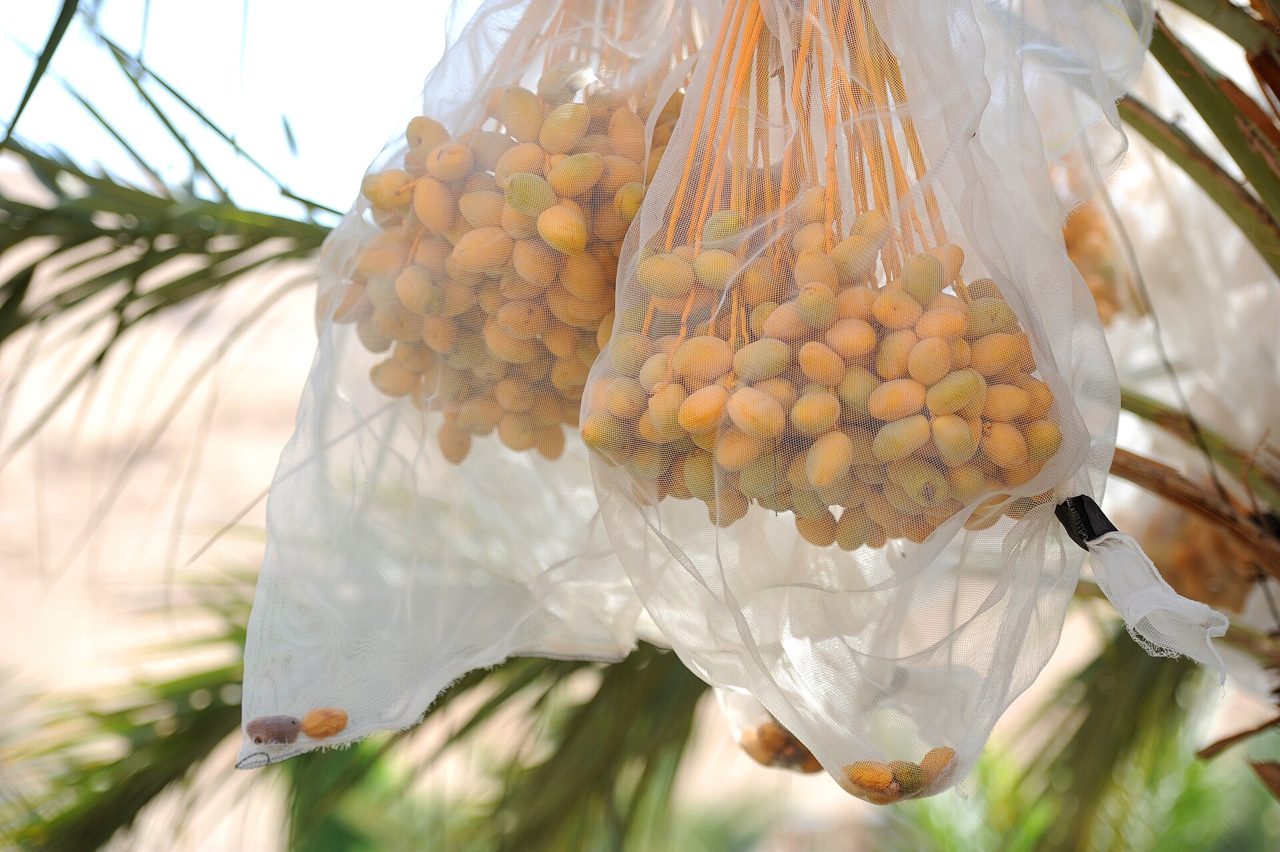
Three Israeli agricultural companies are openly advertising exports from occupied territories to Spain, exposing severe enforcement gaps in Madrid's trade ban and creating legal risks for European retailers.
Three Israeli agricultural companies are openly listing Spain as a destination for dates and nuts grown in occupied West Bank settlements, despite a national ban on such trade. Field Produce Marketing, Hadiklaim, and Agrifood Marketing all maintain online materials identifying Spain as an active market for goods produced in territories illegally occupied by Israel.
Spain outlawed the distribution of these products under Royal Decree-Law 10/2025, legislation designed to align with a 2024 International Court of Justice advisory opinion. The law requires customs authorities to block imports originating from these settlements. However, the continued online advertising by these exporters suggests a critical breakdown in enforcement at the border.
The companies’ operations are deeply integrated into European supply chains. Field Produce Marketing processes peanuts, almonds, and Medjool dates at a plant in the Yafit settlement and exports 65 percent of its output to Europe. Its website lists major Spanish distributors, including Importaco, a primary supplier for Mercadona’s Hacendado brand.
Hadiklaim, a cooperative operating plantations across multiple West Bank settlements, also displays Spain prominently on its export map. The firm received approximately €3m in compensation from the Israeli Ministry of Economy between 2019 and 2021 to offset export drops. Research prior to a February 2026 resolution indicated its date brands were stocked by major retailers including Aldi, Lidl, Carrefour, and Mercadona.
These supply chain links present immediate compliance risks for European businesses. Supermarkets including Carrefour and Mercadona have explicitly denied currently stocking goods from occupied Palestinian territories. Lidl and Eroski issued statements pledging strict adherence to the February 2026 customs resolution. Yet none of the chains disclosed the internal auditing mechanisms they use to verify supplier claims or how many contracts they have terminated.
The enforcement void extends to the state level. The Spanish Tax Administration Agency stated it could not confirm whether any sanction proceedings are open against the Israeli exporters. The agency claimed this data rests with individual customs offices and is not tracked in an automated manner, raising serious questions about Madrid's capacity to police its own trade laws.
For European investors and retailers, the situation underscores a persistent opacity in agricultural supply chains. Agrifood Marketing does not list its Spanish clients, and one Spanish distributor listed by Field Produce Marketing, La Piedra Redonda, denied importing Israeli goods despite appearing on the exporter's website.
CIDSE researcher Dorien Vanden Boer noted that agriculture functions as a specific mechanism of territorial control. Agriculture must be understood as one of many strategies Israel uses "to dispossess Palestinians of their land and expel them," alongside the destruction of civilian infrastructure. Until Spanish authorities establish centralized tracking and retailers enforce rigorous supply chain audits, settlement products will likely continue to slip into the European market.