Burnham launches £8.4bn submarine contract to anchor UK Nato defence spending
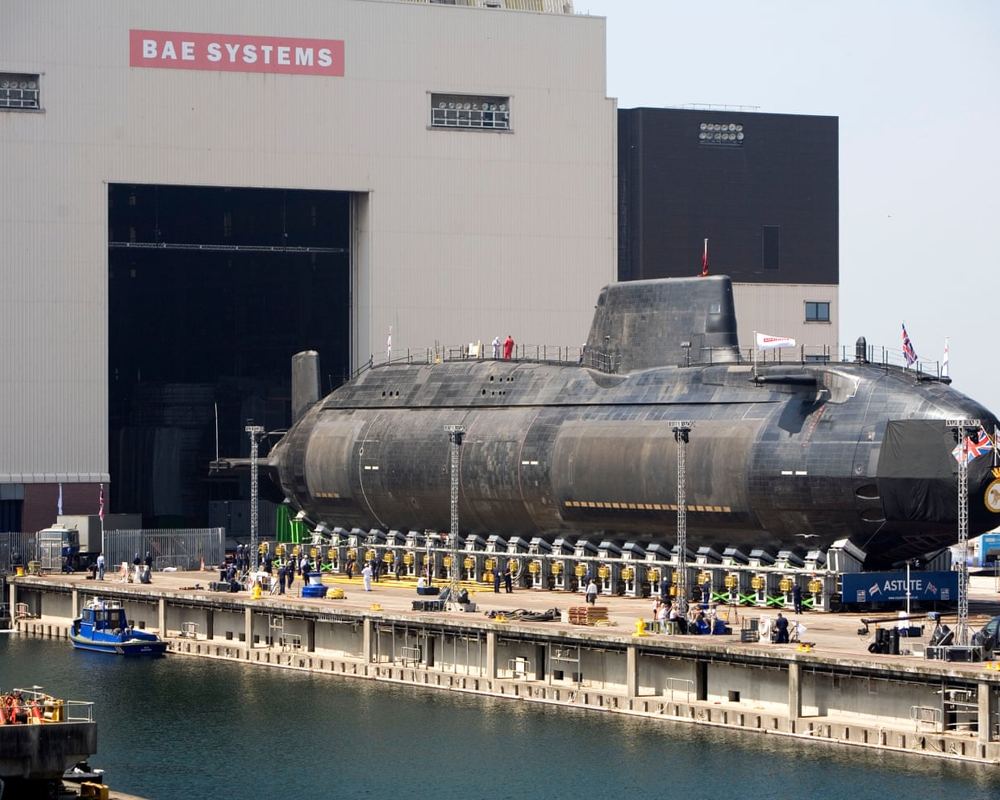
The new British prime minister is using a massive nuclear submarine contract to demonstrate commitment to alliance spending targets, signaling sustained investment for domestic defence manufacturers despite recent political turmoil over the defence budget.
British Prime Minister Andy Burnham is launching an £8.4bn contract phase for the Dreadnought-class nuclear submarine programme during a visit to Barrow-in-Furness. The move anchors his strategy to link national security with domestic reindustrialisation and taxpayer investment.
“Keeping this country safe is the first responsibility of any government, but security is not only about what we build; it is about who builds it, and who benefits from it,” Burnham stated ahead of the trip. The initiative is projected to create 18,000 additional nuclear defence jobs by 2030 and fund 22,000 apprenticeships by 2035.
BAE Systems, which owns the Cumbrian shipyard, will receive the largest share of this latest phase through a £5.9bn contract to finish the first four boats for the early 2030s. The broader military nuclear supply chain already sustains 47,000 jobs across the UK, including 9,000 at AWE in Berkshire and 4,000 at Rolls-Royce in Derby.
Burnham entered office just over a week ago following the resignation of his predecessor, Keir Starmer. Starmer’s departure was precipitated by a dispute over defence spending after John Healey quit as defence secretary, demanding an interim target of 3% of GDP by 2030.
Starmer had previously offered only 2.68% of GDP for that interim period. On Wednesday, Burnham declined to commit to the 3% interim goal, instead reiterating the existing Nato pledge to increase defence spending by over £25bn annually to reach 3.5% of GDP by 2035.
“When it comes to defence, obviously those commitments … relate to the parliament after this one,” Burnham explained. He added that honouring Nato obligations means “being prepared to look at challenging issues.”
The £8.4bn injection is part of the wider £31bn Dreadnought programme, which carries a £10bn contingency for overspends and has been placed on amber alert by procurement monitors. The new vessels will replace the Vanguard-class submarines, which currently maintain the continuous at-sea nuclear deterrent.
Highlighting the workforce strategy, Burnham told young people that “there is a path for you into a reindustrialised Britain, and it starts with the apprenticeships we are funding through this investment today.” The political alignment on the project remains mixed, with Burnham, Wes Streeting, and Healey having voted for Trident in 2016, while Louise Haigh voted against.