Beauty Pie founder Marcia Kilgore on subscription models and AI in retail
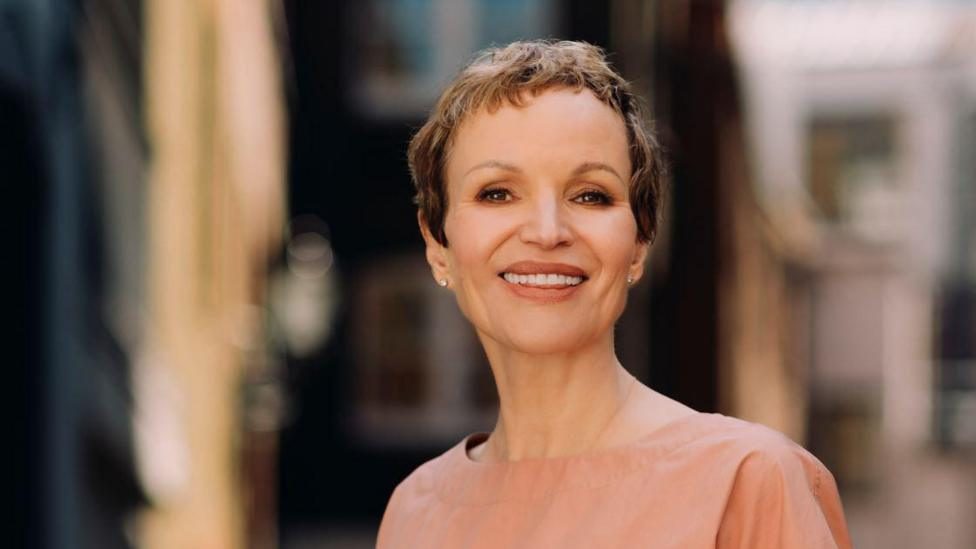
As direct-to-consumer subscription models reshape the retail economy, serial entrepreneur Marcia Kilgore outlines how founders can leverage deep industry expertise and artificial intelligence to build market-disrupting businesses without traditional capital.
Marcia Kilgore, the 57-year-old founder of the online-only subscription beauty brand Beauty Pie, has outlined the operational strategies behind her latest industry-disrupting venture. The brand, launched in 2016, follows a track record of building major consumer labels, including luxury day spa Bliss, skincare range Soap & Glory, and footwear brand FitFlop.
Her transition from physical retail to a digital subscription model highlights a broader structural shift in the consumer economy. By bypassing traditional wholesale markups and relying on direct consumer relationships, companies like Beauty Pie are redefining pricing power and customer retention in a crowded market.
Kilgore emphasizes that navigating this retail evolution requires deep operational expertise rather than just financial backing or a perfect initial plan. She recalls stepping in to perform facials and waxes herself when her London spa staff quit during a busy opening in the 1990s. She notes that this practical, ground-level knowledge prevents founders from being "left swinging in the wind" when operations face unexpected pressure.
For modern startups looking to challenge incumbents, she advises rigorously testing concepts to avoid "ownership bias" before committing heavy capital. Kilgore points out that artificial intelligence now allows new companies to stress-test and refine ideas without the "huge budget for consultants" traditionally required. This technological shift is actively lowering the barrier to entry for market challengers across the economy.
Building these disruptive firms still demands significant personal sacrifice and a constant focus on the end user. Kilgore advises entrepreneurs to be polite, punctual, and the "sunniest, hardest working and most diligent" person in their sector to build loyalty. She acknowledges that running a business leaves little free time, as founders must constantly track changing consumer behavior, wider market trends, and new competitors outside of standard working hours.
Ultimately, she measures the economic and personal viability of a venture through a long-term lens rather than short-term gains. Kilgore uses a "deathbed test" to evaluate whether a project will genuinely benefit people and feel worthwhile at the end of her life. This approach ensures that the pursuit of market share and corporate growth does not eclipse the creation of lasting, meaningful value.