Extreme climbing risk protocols mirror high stakes of corporate decision making
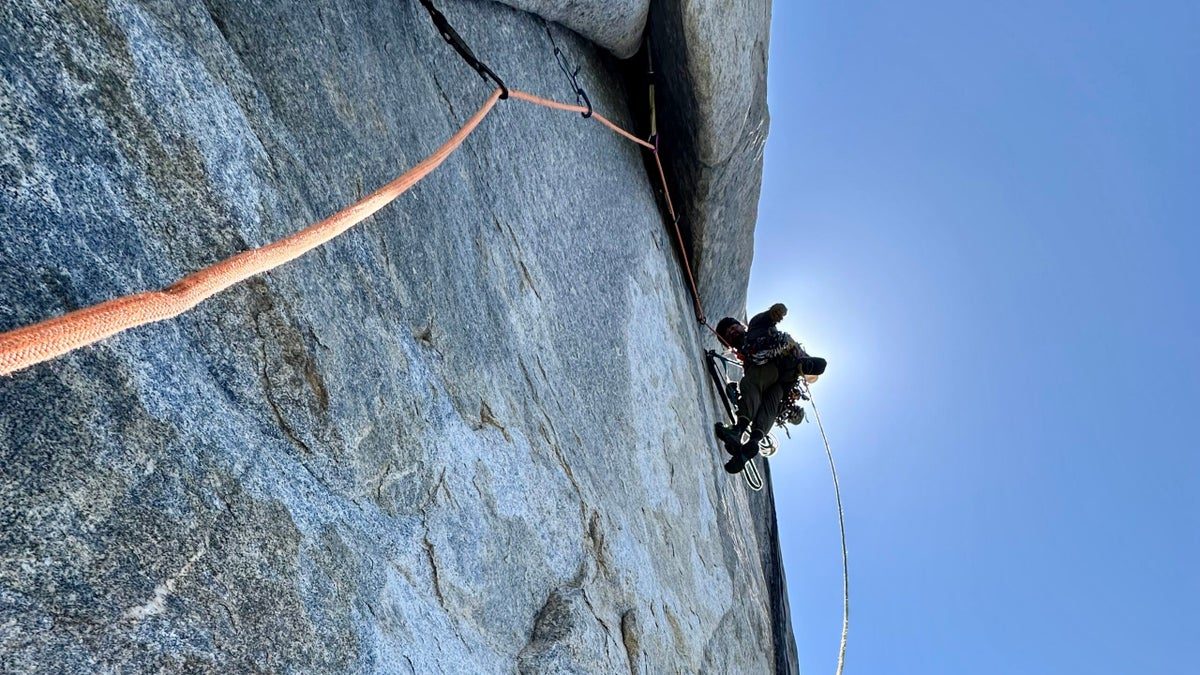
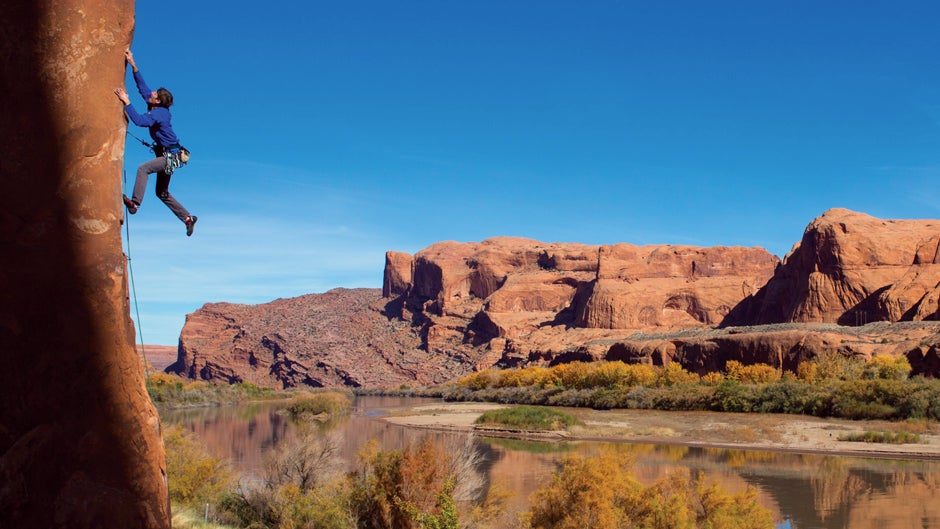
A recent ascent of Yosemite’s El Capitan underscores how the unforgiving risk management of big-wall climbing offers a stark mirror for corporate leaders navigating high-stakes operational decisions.
A recent ascent of the Virginia route on Yosemite’s El Capitan has highlighted the unforgiving reality of extreme risk management in high-stakes environments. Climbing the 2,500-foot, 17-pitch wall requires a no-mistakes culture where a single operational oversight can be fatal.
During a late June expedition, a climber and their partner, Jalen, navigated the 5.8 A3 route with meticulous preparation. Their gear list included two ropes, a full rack of cams, slings, beaks, hooks, and rivets, alongside strict daily rations of one gallon of water per person per day and triple the snacks eaten per day on the ground.
Despite this preparation, the margin for error remains virtually zero. The climber noted that momentary carelessness, such as forgetting to lock a carabiner or misjudging a rope’s path over a sharp edge, opens a supremely possible risk of death.
This reality materialized when Jalen nearly climbed out of an anchor without being tied into the rope, a situation described as being ten seconds from death. Later, a critical decision arose regarding a pointed roof protected only by duct tape.
When Jalen questioned the need for a protective knot, the climber responded with a stark ultimatum: "You bet my life on it?" After a brief consideration, Jalen confirmed his assessment, and the climber proceeded, trusting the judgment with their life on the line.
For European companies and investors, this extreme physical environment serves as a powerful metaphor for operational risk. In corporate settings, the consequences of unchecked assumptions or unverified safety protocols can similarly cascade into catastrophic financial or reputational damage.
The climber contrasted this hyper-aware state with the autopilot nature of modern office life, characterized by endless meetings, emails, and interviews in a café corner. Extreme physical challenges are increasingly sought by professionals to shatter this fog and demand absolute presence.
Ultimately, the successful summit and safe descent reinforce a vital lesson for leadership and risk management. Whether navigating a 2,500-foot cliff or a volatile market, survival depends on rigorous preparation, absolute trust in verified data, and the courage to make definitive decisions under pressure.