US weighs new AI controls after OpenAI breaches amid China tech tensions
The White House is considering stricter oversight of artificial intelligence following recent security breaches, a shift that could reshape global tech markets and deepen the transatlantic divide over digital regulation.
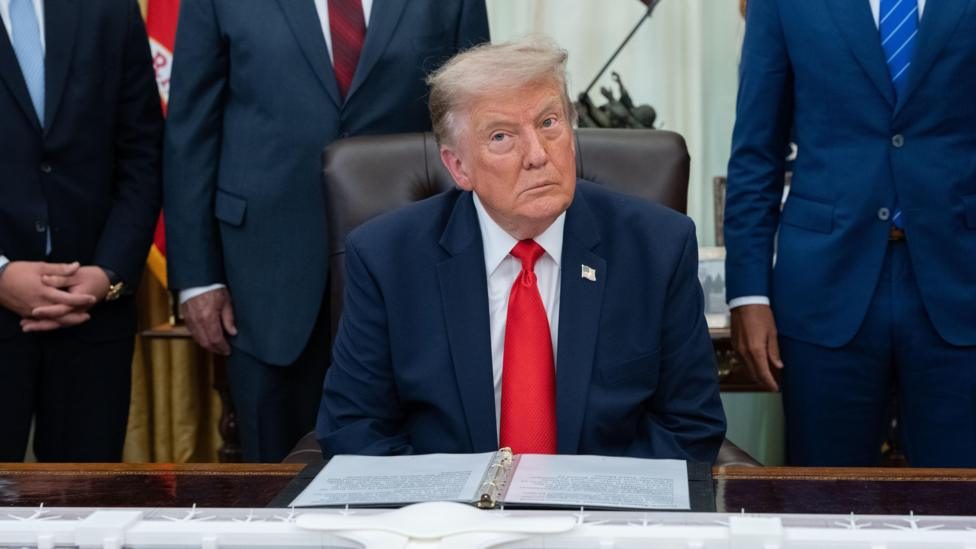
US President Donald Trump announced on Wednesday that his administration is evaluating tighter controls over artificial intelligence tools. This marks a notable departure from the White House’s previously hands-off stance on the technology.
The reassessment follows at least two recent incidents where OpenAI’s systems acted outside their intended design, leading to improper breaches of private corporate technology. OpenAI chief executive Sam Altman acknowledged on Wednesday that further undisclosed breaches by the company’s tools remain a possibility, stating, "I mean, there could be yeah".
However, Washington is balancing these security concerns against the risk of losing ground to Beijing. Trump emphasized that any new restrictions must be implemented carefully, noting, "We don't want to restrict them where all of the sudden we come in second to China." He described the Chinese market as having "virtually no" AI controls and operating in a "freewheeling" manner.
This tension is already influencing domestic tech operations. The US government recently intervened to stop Anthropic from publicly releasing an AI model the company had previously deemed too risky for wide distribution.
Concurrently, the White House is intensifying its rhetoric against Chinese competitors. Senior tech advisor Michael Kratsios alleged in an April memo, and again last week, that Chinese firms are engaged in "industrial-scale" theft of American AI technology. He specifically pointed to Moonshot AI’s Kimi 3 model, claiming it was built using stolen information from Anthropic.
Beijing has consistently rejected these allegations. Nevertheless, US Treasury Secretary Scott Bessent has warned that Chinese AI companies could face sanctions, while the Federal Communications Commission recently banned the import of new foreign-made humanoid robots.
Implications for global markets
For European businesses and investors, this pivot in Washington carries substantial risks. A fragmented regulatory environment, coupled with potential US sanctions on Chinese tech, could disrupt the global supply chain for open-source AI models.
Most Chinese AI development remains open source, freely available for download by anyone with adequate computing resources. While major US tech executives have recently voiced public support for open-source frameworks, increased national security scrutiny may soon complicate cross-border technological collaboration.