Brenner Base Tunnel manages massive alpine waste and ecological restoration
The multi-billion-euro Brenner Base Tunnel is managing the European Union's largest excavation dump while navigating 350 environmental conditions, setting a new benchmark for the cost and complexity of ecological compliance in continental infrastructure.
Construction on the Brenner Base Tunnel between Austria and Italy has generated 7.7 million cubic metres of excavated rock, creating the largest excavation dump in the European Union. Project managers are now executing a massive renaturation plan in the Tyrolean Padaster Valley to restore the alpine environment once the boring machines finish their work.
For European infrastructure investors and construction firms, the project illustrates the escalating scale of environmental compliance. Developers must navigate approximately 350 nature protection conditions, demonstrating how ecological mandates fundamentally dictate the logistics, timelines, and capital requirements of modern cross-border transit networks.
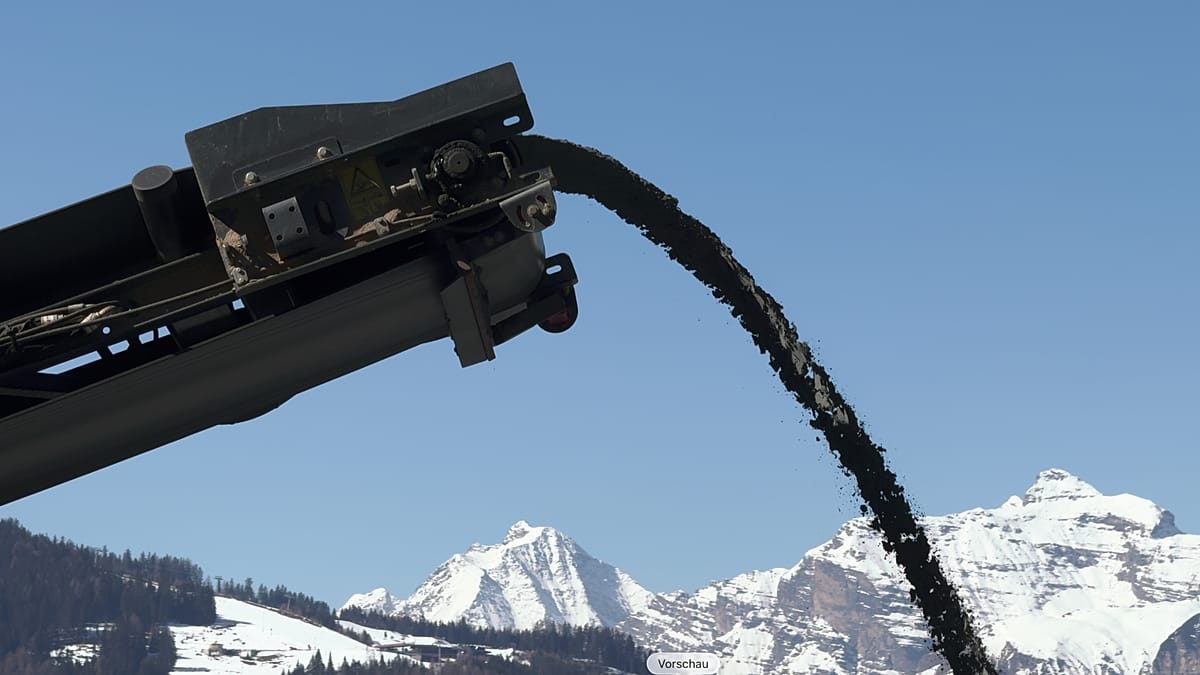
To handle the debris without disrupting local communities, engineers deployed a conveyor belt system stretching up to 30 kilometres. This infrastructure bypasses the need for heavy lorry traffic through nearby villages like Steinach am Brenner, significantly reducing the operational friction and community opposition that often delays major public works.
The volume of material is immense, equivalent to running three Great Pyramids of Giza through a stone mill. At peak extraction, four tunnel-boring machines operating simultaneously produced more than 250,000 cubic metres of spoil every month.
Reshaping the Alpine landscape
The disposal process has fundamentally altered the Padaster Valley, raising its floor by up to 80 metres and changing its cross-section from a sharp V-shape to a gentle U-shape. Project manager Sebastian Reimann notes that the valley floor is currently a stony desert, but soil and vegetation will be introduced starting next year.
Hydrological and botanical ecosystems are also being reconstructed. The Padasterbach river was temporarily diverted through a 1,500-metre tunnel, and a new 1,400-metre riverbed is being constructed within the landfill. Additionally, a 250-square-metre orchid meadow was successfully relocated before construction began to preserve the micro-habitat.
Wildlife management extends to the brown long-eared bat, which is protected under the EU Habitats Directive. Researchers relocated these and six other bat species by installing nesting boxes in surrounding areas, ensuring social cohesion and favourable climates are maintained during the transition.
Andreas Ambrosi, a colleague of Reimann, emphasizes that the project has effectively created a new valley rather than just destroying an old one. If the renaturation succeeds over the next decade, the site will serve as a global model for integrating heavy industrial excavation with long-term ecological recovery.