Spain deploys troops to Ceuta as thousands cross from Morocco
A sudden influx of thousands of migrants into Spain's Ceuta enclave has triggered a military response and a diplomatic clash with Italy, exposing deep fractures in Europe's border policies.
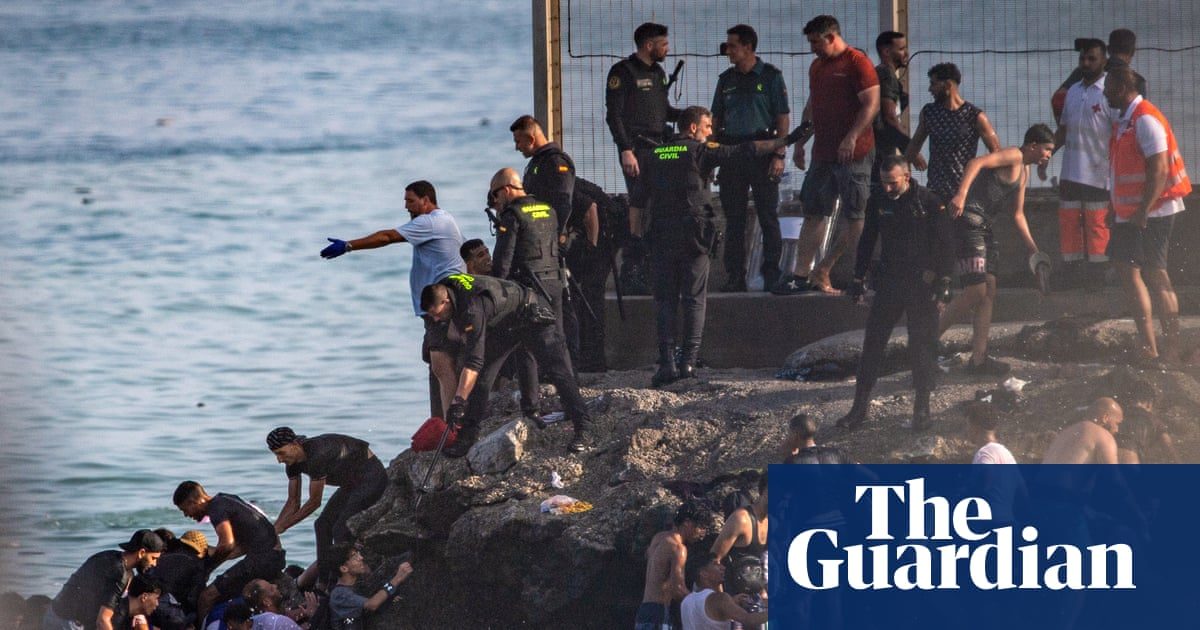
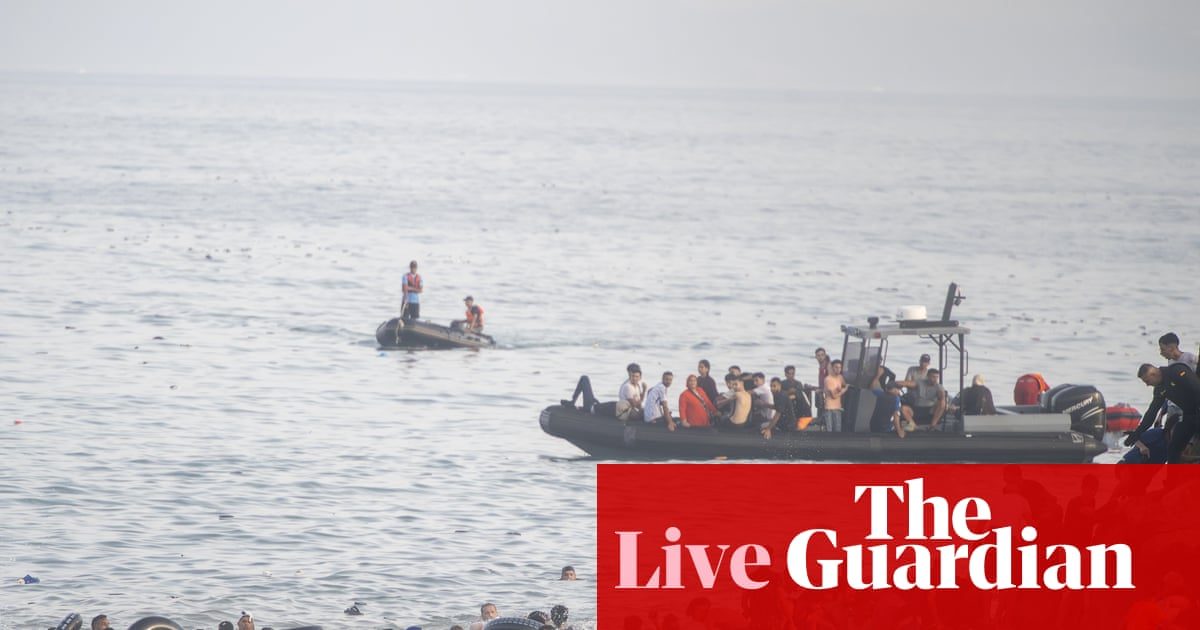
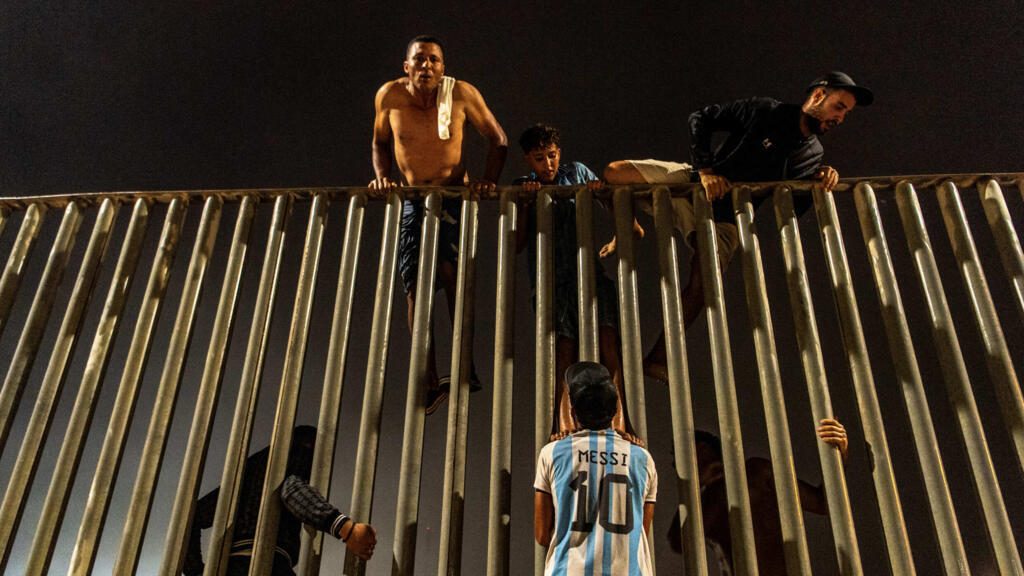
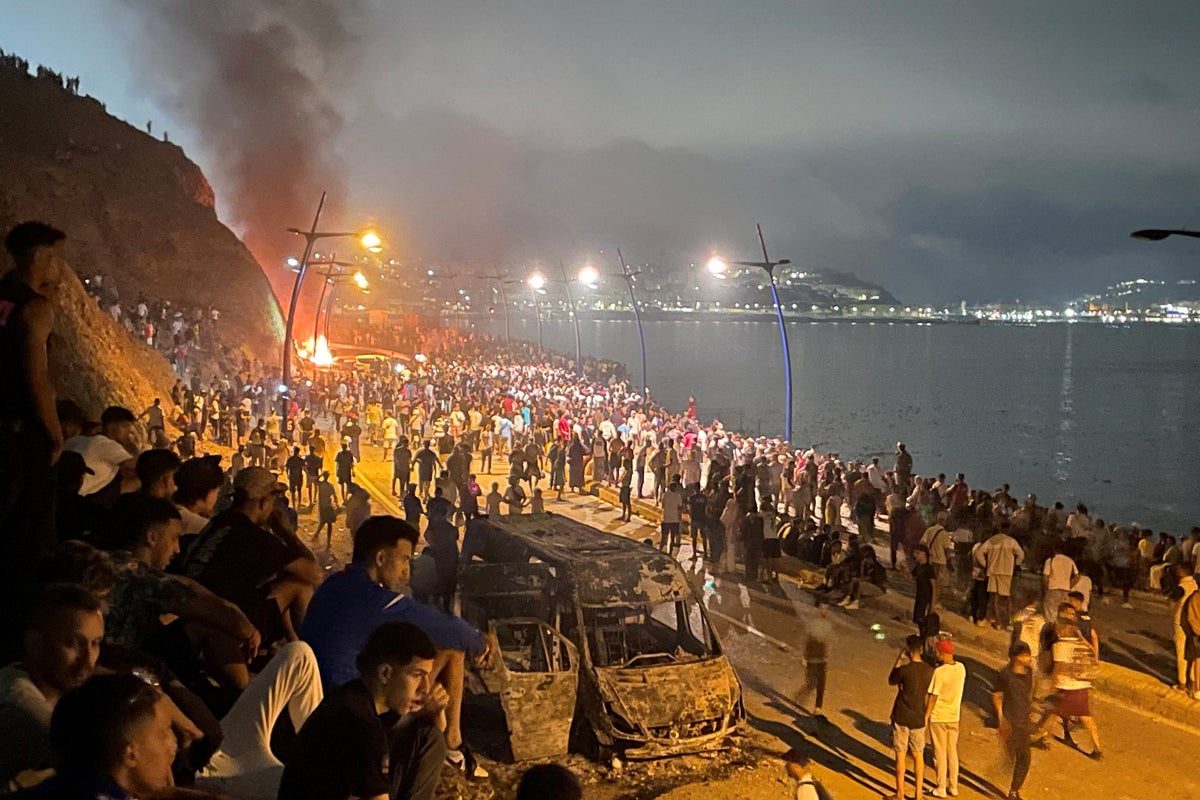
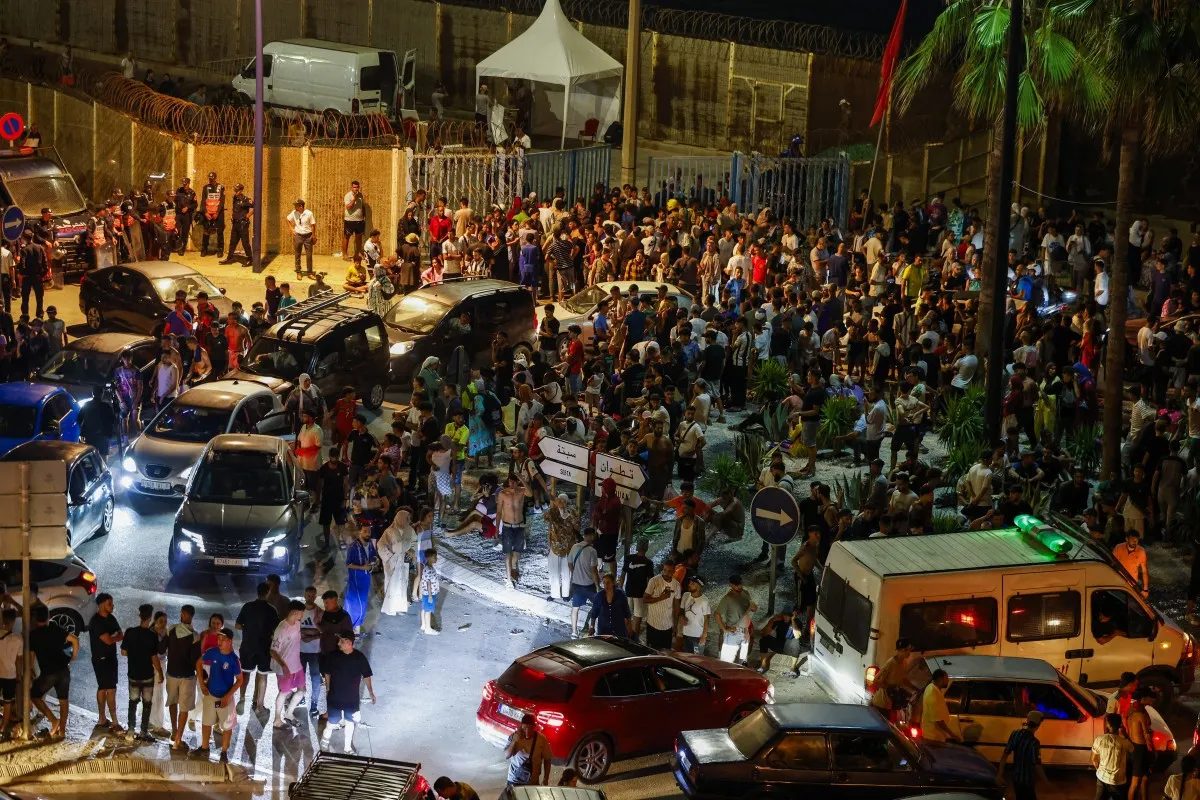
Spain has deployed troops to its Ceuta enclave after thousands of migrants crossed from Morocco, many swimming around the land border fence to enter Spanish territory. Local officials declared a humanitarian and social emergency as adults and children flooded the streets. Discarded flotation rings and clothes were left abandoned on the shore near where the barrier meets the sea.
At least nine people died trying to reach the 18.5 square kilometre territory. In response, Prime Minister Pedro Sánchez and Interior Minister Fernando Grande-Marlaska will visit the Tarajal border crossing on Friday. The government announced late on Thursday that soldiers would be sent to reinforce the Civil Guard and restore security.
For European policymakers, the sudden breach of one of Europe's only two land borders with Africa poses an immediate test of internal cohesion. Italy on Thursday called for Spain to be suspended from the Schengen zone over the influx. The demand, which prompted Spain to summon Italy's ambassador, highlights how localised border crises can rapidly escalate into broader EU disputes.
The mass crossing is a stark reminder of how migration has historically been used as leverage in regional diplomacy. In 2021, more than 10,000 migrants reached Ceuta from Morocco over two days. That influx occurred after Rabat deliberately loosened border controls during a diplomatic dispute with Madrid.
That 2021 crisis was triggered when Spain decided to host the leader of the Polisario Front for medical treatment. The group fought a long war with Morocco over the independence of the Western Sahara, a conflict historically backed by Algeria.
Spain ultimately resolved the dispute with Rabat in 2022 by reversing its long-standing neutrality and endorsing Morocco's plan