FIFA targets $13bn revenue as Infantino's privatisation plans fracture European ties
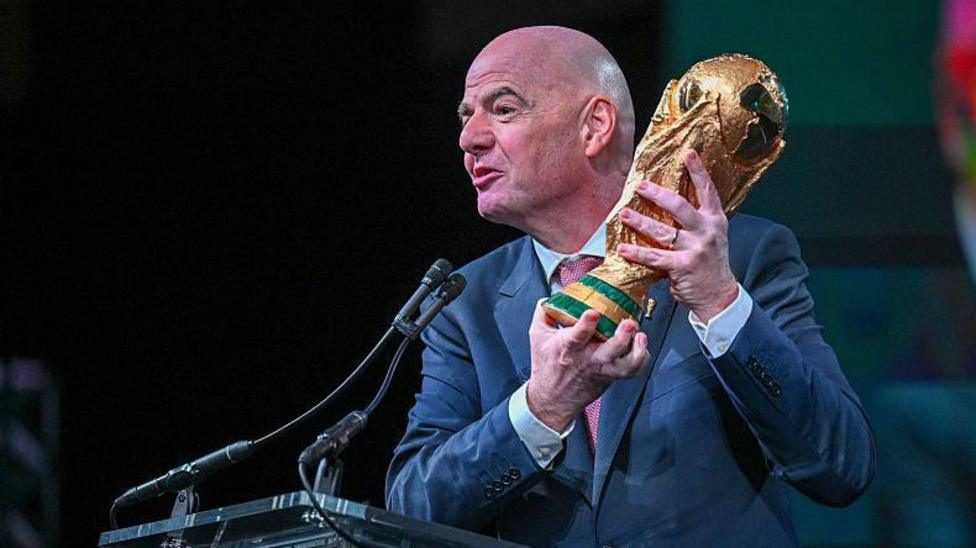
Gianni Infantino has transformed FIFA into a $13bn revenue generator through aggressive commercialisation and political alliances, but his push to sell competition stakes to private investors has triggered a major rift with European football's governing bodies.
FIFA expects to report record revenues of $13bn (£9.6bn) for the three-year cycle ending this year, capping a decade of aggressive commercial expansion under president Gianni Infantino. The financial turnaround comes as the governing body faces mounting criticism from European stakeholders over its proposed sale of competition stakes to private investors.
Infantino assumed leadership ten years ago to rescue the organisation following a widespread corruption scandal that left a reported $550m (£392m) black hole. While he has successfully restored the balance sheet, his methods have increasingly alienated traditional European football allies and players' unions.
The friction culminated in May 2025 when Uefa staged a walk-out at the Fifa Congress, accusing Infantino of prioritising private political interests. The dispute followed his late arrival after a diplomatic tour of the Middle East with US President Donald Trump, highlighting a deepening ideological divide between global football's commercial ambitions and Europe's governance priorities.
To sustain this revenue growth, Infantino has championed the financialisation of the sport, including a controversial proposal to sell stakes in the World Cup to private equity. This push for external capital, alongside the creation of a summer Club World Cup that bypassed consultations with players' union Fifpro, signals a shift toward treating football tournaments as purely commercial assets.
Infantino’s strategy also relies heavily on geopolitical alliances, evidenced by Trump receiving the Fifa Peace Prize in December and the effective allocation of the 2034 World Cup to Saudi Arabia. Norway’s football federation abstained from the bidding process, arguing the decisions undermined trust in the organisation's governance reforms.
The financialisation is further reflected in consumer pricing, with group-stage tickets for the recent tournament staged across the USA, Mexico and Canada costing up to three times more than in 2022. The cheapest final ticket in New Jersey reached £3,119, a figure Infantino defended by citing public demand and insisting the funds would be reinvested into global football development.
Despite the backlash, Infantino remains securely in control, having secured a 33% pay rise to a base salary of 2.6m Swiss francs (£2.3m). His legacy is now defined by a highly lucrative but polarised global game, where record profits coexist with fractured relationships across the European football establishment.