40,000 migrants breach Ceuta, fracturing EU border rules

A sudden influx of more than 40,000 migrants into Spain’s North African enclave has overwhelmed local authorities and triggered immediate border closures by France, exposing deep fractures in Europe’s open-borders architecture.
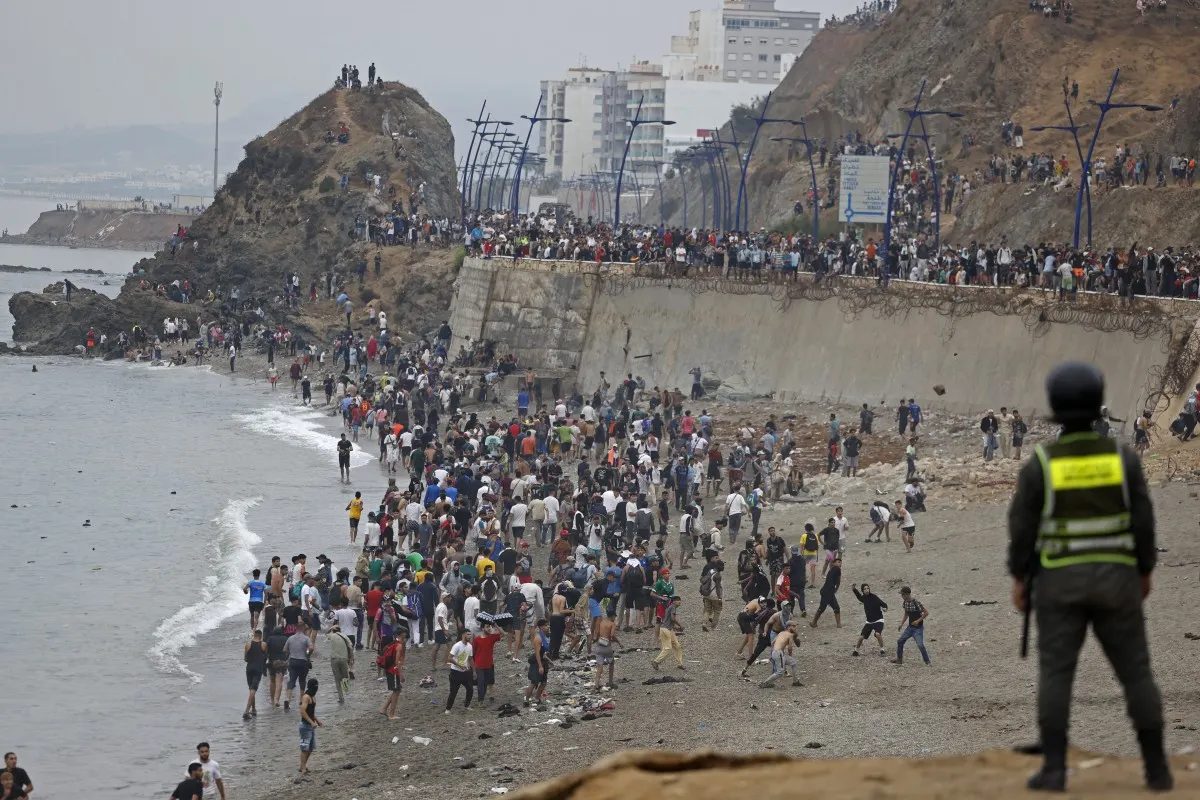
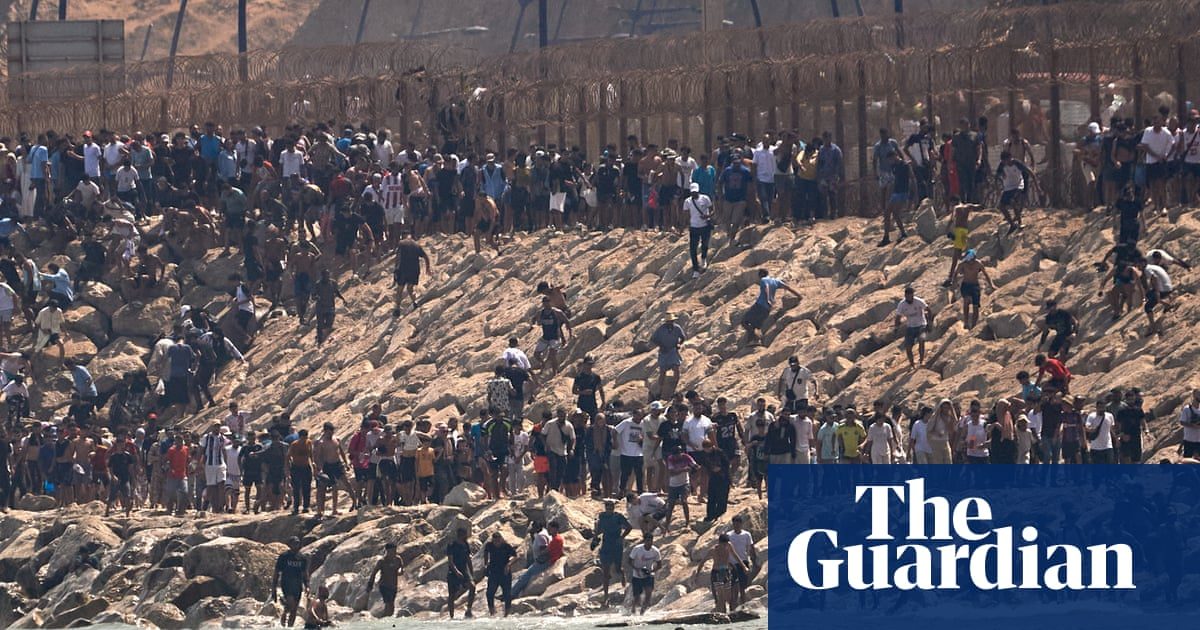
More than 40,000 migrants crossed into Ceuta from Morocco over the past 24 hours, marking the largest arrival at the Spanish enclave since 2021. Spanish authorities reported 18 deaths during the crossing, noting that the sudden influx increased the territory's population of 83,000 by roughly 50 percent.
"There was a steady stream of people all night long," a police source said, adding that arrivals continued into Friday morning. Migrants walked freely through the streets, with some calling out, "Bye bye Morocco, hello Spain," while police directed them toward a local reception centre.
The initial response was severely under-resourced. Spanish newspaper El Mundo reported that only 55 agents were on the front line when the crisis broke. David Gomez, secretary of communication of the Justice Professional Association for the Civil Guard, told the paper that active troops on the ground were "three or four times less than what would be needed to face something like this."
A domino effect across the Schengen zone
The operational collapse at Europe's southern frontier has immediate implications for the continent's economy and the integrity of its border-free travel area. French Interior Minister Laurent Nuñez announced the immediate deployment of the Rapid Border Intervention Force to the Spanish frontier. "In light of the situation in the enclave of Ceuta, I gave instructions yesterday evening to immediately step up controls at the Spanish border," Nuñez said.
The reinstatement of checks threatens to disrupt the frictionless movement of goods and workers that underpins the single market. It also highlights how quickly a localized border failure can force neighbouring states to re-erect internal European borders.
The crisis has also strained diplomatic relations within the bloc. Italy called for Spain to be suspended from the Schengen zone, prompting Madrid to summon Rome's ambassador and accuse Italy of exploiting the crisis for domestic political gain. Separately, two top officials in US President Donald Trump's White House used video of the Ceuta crossings to advocate their anti-immigration politics.
Spanish authorities are now attempting to expel those who entered illegally as quickly as possible. Hundreds of migrants have already begun returning to Morocco through the breakwater separating the two territories, led by the Spanish military. These expulsions will proceed despite a recent court ruling that placed new restrictions on Spain's special "border rejection" rules, though the exact cause of Morocco's sudden loosening of border controls remains unclear.