Invasive species reshape Mediterranean fisheries as native stocks collapse
Hundreds of invasive marine species are decimating native fish stocks in the warming Mediterranean, threatening the economic survival of southern European fishing communities.
Hundreds of invasive marine species have established a permanent foothold in the Mediterranean, displacing native fish and devastating local fisheries that have sustained coastal economies for generations. Around 800 non-native species are now firmly established across the basin.
Rising sea temperatures driven by fossil fuel emissions are accelerating this takeover. The Mediterranean is warming faster than open oceans because it is a closed basin, with waters expected to rise by 2 to 6 degrees Celsius by 2100. This prolonged heat is rendering the eastern Mediterranean uninhabitable for native marine life.
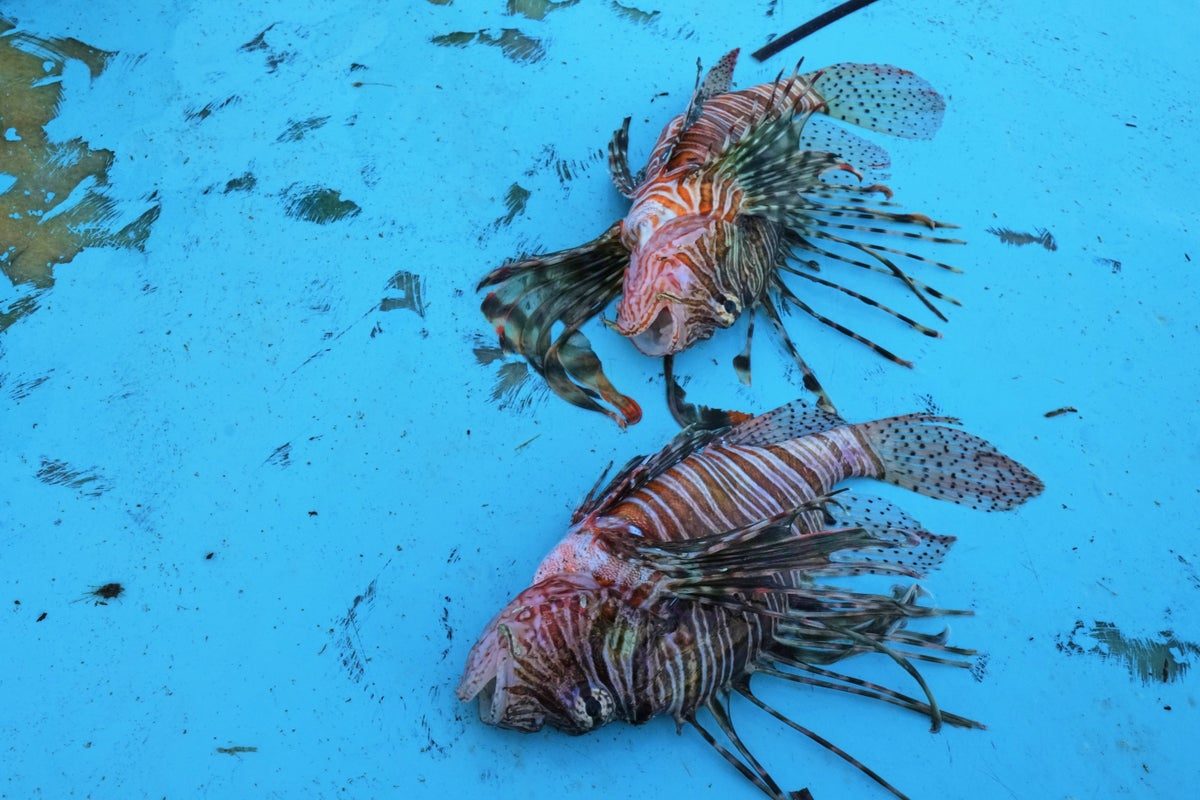
The economic damage is already acute. In Cyprus, lionfish have supplanted commercially valuable red mullet, hitting fishers' incomes. Along the Adriatic coast of Italy, once-abundant mussels have nearly all died off as temperatures exceeded 30 degrees Celsius, wiping out a lucrative local harvest.
Shallow waters in the eastern Mediterranean have lost 93% of their mollusk population, creating a void in the seafood supply chain. Meanwhile, toxic invaders like the puffer fish pose direct health risks to consumers, requiring costly culling programs paid to fishers to incinerate the catch.
With reversal impossible, regional economies are being forced to adapt their business models. One emerging strategy is commercializing edible invasives, such as the lionfish, which already commands high prices in certain markets. However, fishers have not yet capitalized on other abundant invaders like the dusky spinefoot in Italian waters.
Policy adjustments are also underway to protect native commercial stocks. Authorities are exploring the cultivation of mollusks that are less susceptible to invasive predators like the alien blue crab. “In the coming years, I think that the challenge will be to restore, to find new ways to restore the environment,” said Piero Genovesi Papik, a zoologist with Italy’s Higher Institute for Environmental Protection and Research.
Policymakers are additionally targeting the shipping industry to slow the economic damage. Enforcing international ballast water treatment rules and applying specialized anti-fouling paints to ship hulls could reduce the introduction of new alien species by 95 to 99%, according to Papik.