Mass Ceuta breach kills 43, sparks EU Schengen crisis
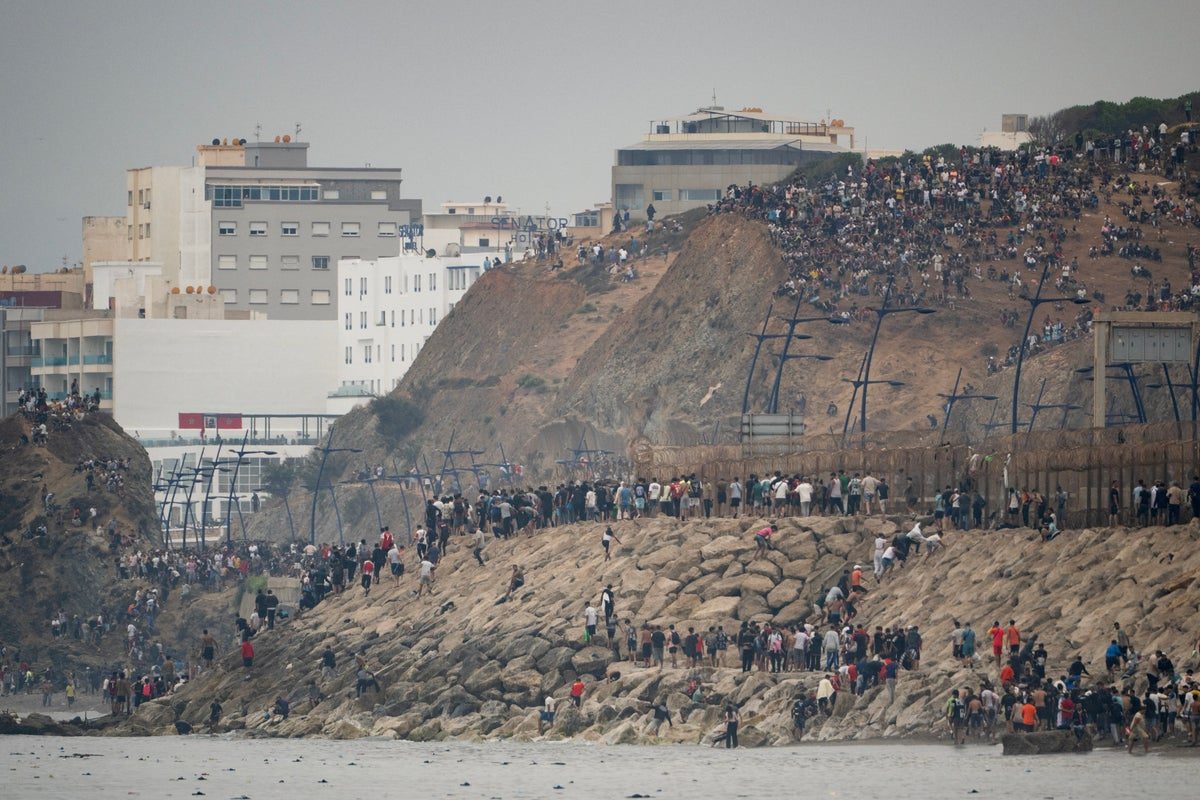
A sudden influx of 60,000 people into Spain’s North African enclave has exposed the vulnerability of the EU’s external borders and triggered diplomatic calls to suspend the Schengen free-travel zone.
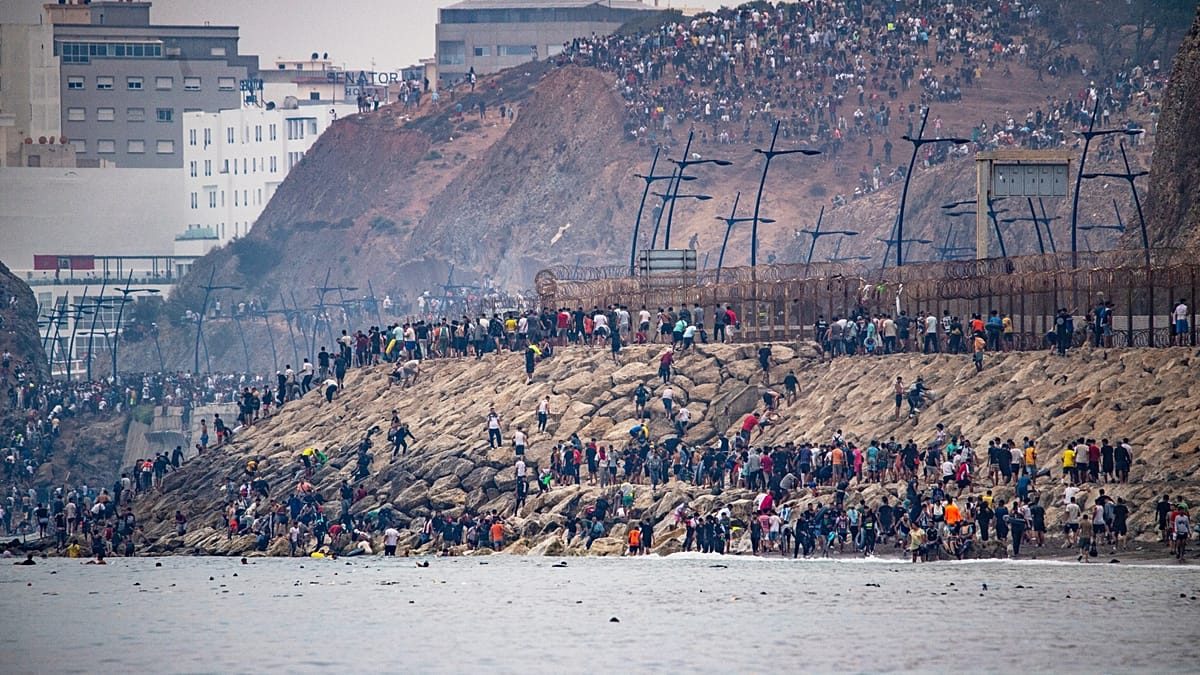
Around 60,000 migrants crossed into the Spanish territory of Ceuta from Morocco in just 24 hours, resulting in at least 43 deaths. The victims drowned while attempting to swim around coastal barriers or were killed in a stampede at the Tarajal beach fence. It marks one of the most severe breaches of the European Union’s only land border with Africa.
The sudden influx appears to have been triggered by a recent Spanish Supreme Court ruling. The court concluded that migrants intercepted at sea cannot be deported, a decision Prime Minister Pedro Sanchez blamed on human trafficking gangs. He said these organizations misinterpreted the ruling to "deceive so many young people, and ultimately lead many of them to their deaths — whether in the ocean or, as in this case, at Spain's border in the autonomous city of Ceuta."
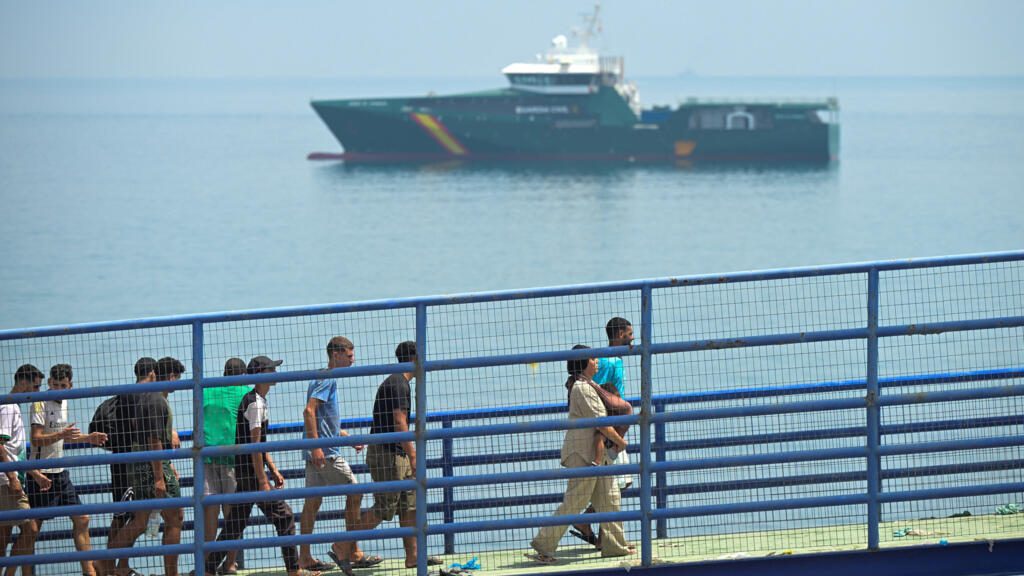
Spain has deployed police and military personnel to the enclave, while Moroccan forces used water cannons and tear gas to prevent further crossings. Rachid Sbihi, head of the local Guardia Civil officers' association, described the scene as "absolute chaos," warning the border had "totally collapsed" into a "humanitarian crisis." By Friday, authorities stated that half of the migrants had returned, many voluntarily.
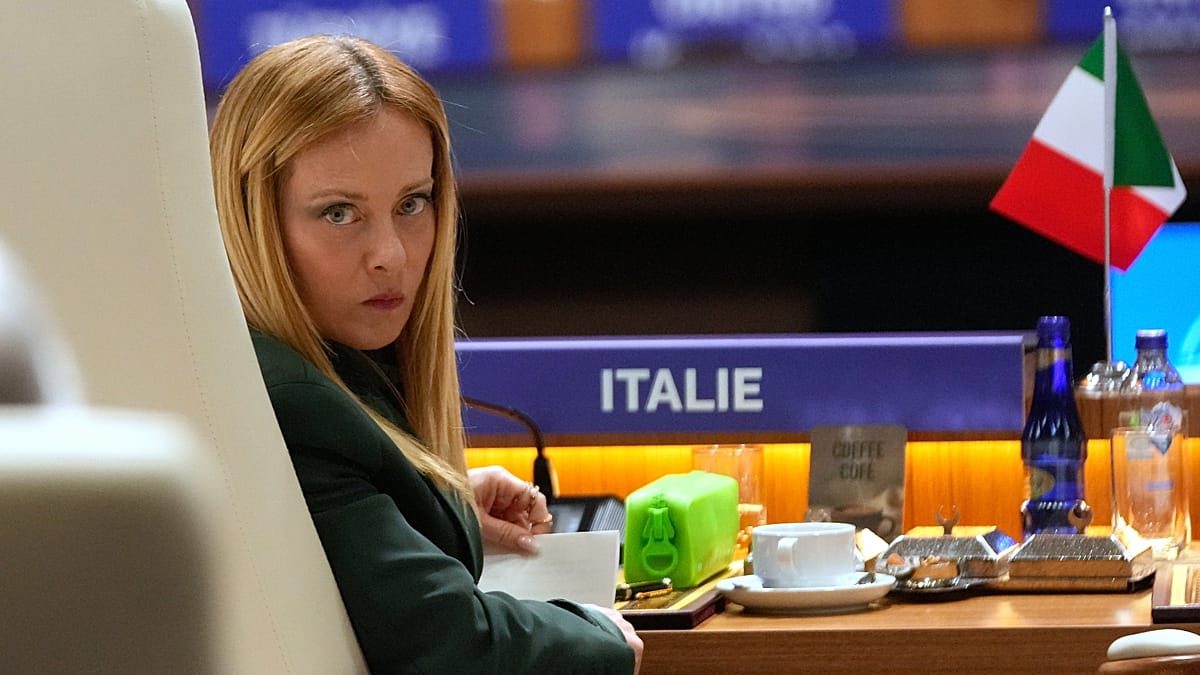
The collapse of border infrastructure at Ceuta poses a direct threat to the European economy by putting the Schengen free-travel zone at risk. Italy’s prime minister, Giorgia Meloni, called the images "striking" and warned that "uncontrolled illegal immigration poses a concrete threat to the security of Europe's borders." She stated: "Italy will not stand by and watch. We are convening the relevant bodies, and following these meetings, we are prepared to intervene with extraordinary measures to defend the borders and the safety of citizens, including the suspension of the Schengen Area with Spain."
Suspending Schengen would mean reinstating hard borders and customs checks between EU states, severely disrupting supply chains and the movement of labor. France’s Marine Le Pen echoed this sentiment, writing that "faced with the massive and coordinated influx of migrants into Spain, encouraged by the Spanish government, France must without delay strengthen controls at its borders." She vowed that by 2027, her faction would put "an end to this madness by reserving Schengen free movement for EU nationals."
The crisis has forced a response from the bloc’s executive and its largest economy. European Commission President Ursula von der Leyen called for the swift return of migrants to Morocco. German Chancellor Friedrich Merz backed Spain's refusal to let the migrants onto the continent, stating: "The protection of the EU's external borders is crucial for combating illegal migration. The EU's Return Directive must now be implemented without delay."
Domestic political pressure in Spain continues to mount. Ceuta’s mayor-president, Juan Jesus Vivas, called for a national emergency, though the interior ministry rejected the request. Opposition leader Alberto Nunez Feijoo branded the situation a "national security crisis," while Sanchez vowed to "use all the resources of the state to guarantee security and coexistence."