Google pulls Google Earth AI image tool after one day
Google has withdrawn an AI image generator from Google Earth after just one day, underscoring the ongoing tension between rapid AI deployment and the risk of automated disinformation.
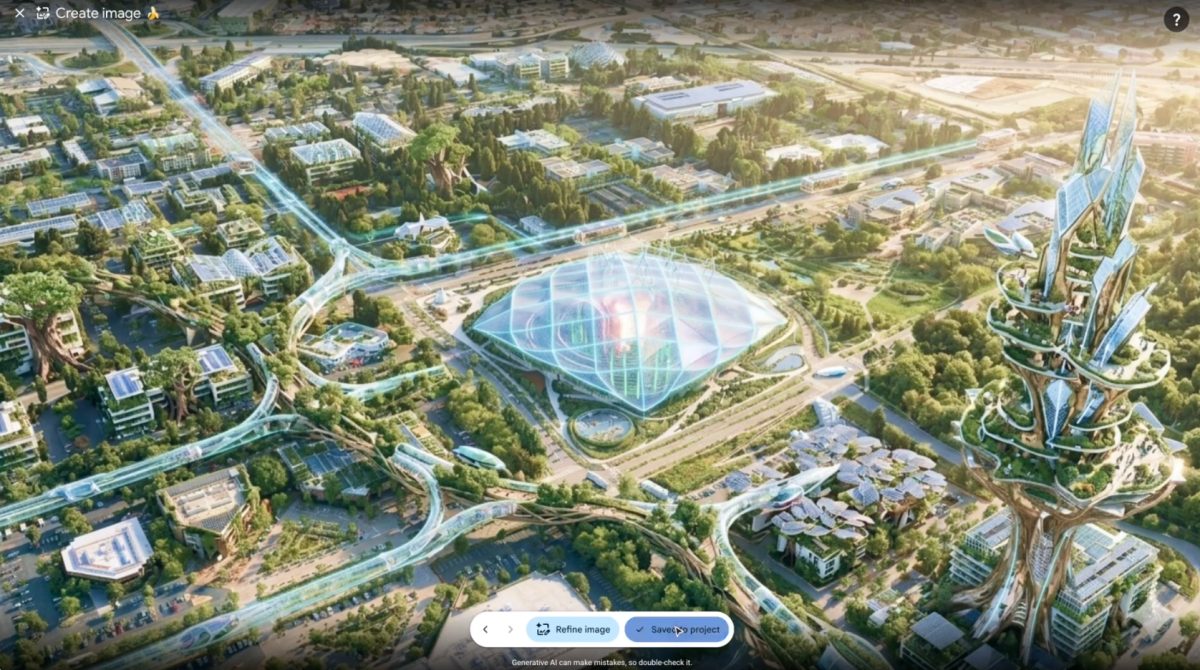
Google has permanently removed a new artificial intelligence feature from Google Earth less than 24 hours after its initial rollout. The tool allowed users to superimpose AI-generated images directly onto the application’s satellite maps. The company stated it is rolling back the functionality while it develops stronger guardrails.
The feature integrated Nano Banana 2, Google’s AI image generator, into the mapping platform. Users could employ text prompts to fabricate and place virtually any image over real-world geography. Google positioned the launch as a way for people to get creative with geographical data.
However, the release immediately drew sharp criticism from media and technology observers. They warned that blending fabricated imagery with verified satellite data would create a surge in geospatial misinformation. “There’s no way that this new AI image generation feature on Google Earth, one of the most reliable sources of visual evidence for journalists and researchers, could possibly be abused to spread misinformation online,” a BBC journalist posted sarcastically on Thursday.
In a statement addressing the withdrawal, Google acknowledged the dual nature of the tool. “We’ve seen geospatial professionals using this feature for a range of useful purposes, however we’ve also seen people sharing screenshots of generated imagery that appear to violate our policies,” the company said.
A testing ground for AI limits
For European businesses and policymakers, the brief lifespan of this feature illustrates a central challenge in the current technology sector. The continent's regulatory environment increasingly demands that tech firms assess and mitigate systemic risks before deploying new products to the public. Google's decision to launch and subsequently retract the tool within a day suggests its internal testing failed to fully anticipate how users might weaponize the application.
The incident also raises questions about the long-term reliability of widely used digital infrastructure. Google Earth serves as a foundational tool for European journalists, researchers, and logistics companies that depend on accurate visual evidence. Introducing generative AI into that environment threatened to degrade the platform's core utility as a verified source of truth.
While Google works on implementing stronger guardrails, the underlying technology remains widely accessible. The broader AI market means image manipulation tools are already pervasive across the web, lowering the barrier for creating credible disinformation without requiring specialized editing skills. The Google Earth episode simply brought that reality directly into a trusted mapping environment.