Bend redirects tourist tax to beat overtourism
An Oregon mountain town has reversed local opposition to overtourism by redirecting hotel taxes toward community infrastructure, offering a potential economic blueprint for Europe’s crowded destinations.
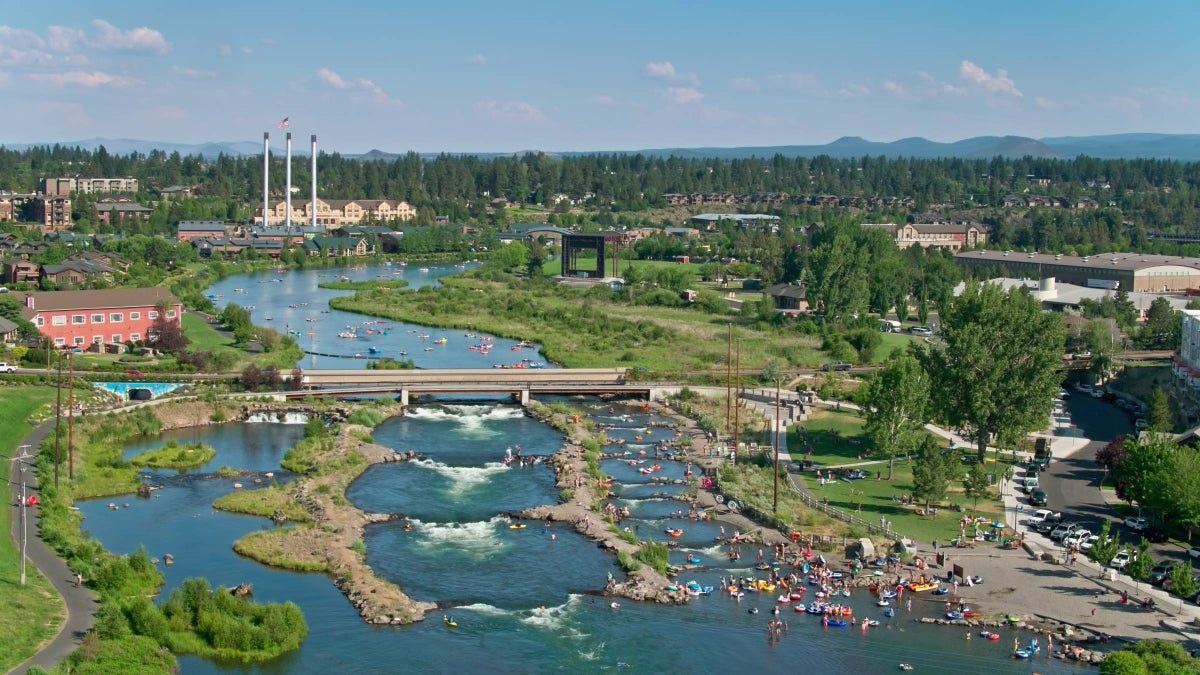
Bend, Oregon, has successfully reversed local opposition to overtourism. The town of 106,000 people achieved this by fundamentally changing how it spends its hotel tax revenue.
The city faced a familiar problem for European mountain and coastal destinations: the "amenity trap," where natural attributes drawing visitors degrade under their weight, straining infrastructure and spiking housing costs. Post-pandemic frustration peaked with "Defund Visit Bend" bumper stickers appearing across town.
Bend collects a standard 1 percent lodging tax on hotel rooms, generating more than $14 million annually. While a portion still funds the police department and traditional marketing, a dedicated slice now finances the Bend Sustainability Fund.
Over six years, this fund deployed almost $4 million of visitor-generated tax revenue into 42 local projects. The money built the $350,000 Big Sky Bike Park, restored climbing hardware at Smith Rock State Park, and funded the upcoming Central Oregon Wash Hub to help restaurants eliminate single-use plastics.
This tangible investment has shifted the economic calculus for residents. “When you fund 10 or 15 of these projects a year, you start to touch a lot of different groups of people,” said Todd Montgomery, director of the Sustainable Tourism Lab at Oregon State University. “That’s when the calculation starts to shift, and people start seeing the benefits from tourism.”
When Montgomery first surveyed residents six years ago, a majority felt tourism’s costs outweighed its $386 million annual economic injection. Today, 51 percent of locals believe the benefits outweigh the costs.
Challenges remain, as parking lots and scenic byways still bottleneck under the weight of nearly a million annual visitors. Yet, the model is drawing international attention. Bend recently hosted the Destination Think conference on regenerative tourism, the first time a U.S. city has led the event.
For European regions where overtourism has triggered strict regulatory crackdowns, Bend offers a market-based alternative. By reinvesting visitor fees directly into the community assets they strain, destinations can sustain their tourism economies without sacrificing local quality of life.